Modern organic farming emerged as a deliberate reaction to the rise of synthetic agriculture.
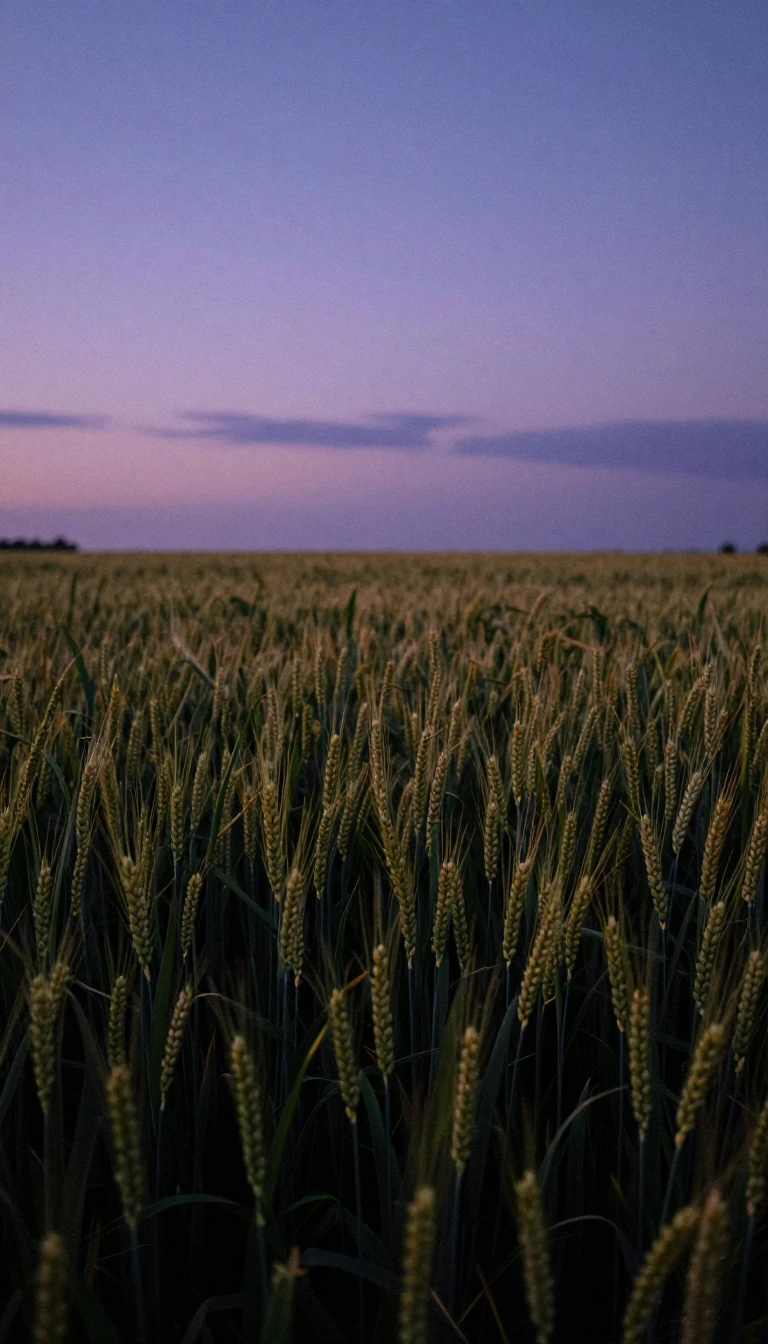
In short: While traditional farming relied on natural cycles for millennia, the 20th century saw a conscious movement arise to counter the environmental toll of chemical pesticides and fertilizers. Pioneers sought to restore soil health through ecological methods, eventually transforming a niche philosophy into a globally regulated and billion-dollar industry.
The roots of modern organic agriculture trace back to the early 1900s, when figures like Sir Albert Howard, F.H. King, and Rudolf Steiner began advocating for systems centered on soil vitality. Howard, an agricultural researcher in India, drew inspiration from traditional practices, later documenting his findings in his 1940 work, An Agricultural Testament. Simultaneously, Steiner introduced biodynamic agriculture in 1924, emphasizing a holistic balance between soil, plants, and animals. These early concepts were later popularized by advocates like J.I. Rodale, who promoted these ideas through his magazine, Organic Gardening and Farming, starting in the 1940s.
The movement gained significant momentum in the 1960s, catalyzed by Rachel Carson’s Silent Spring, which exposed the environmental damage caused by insecticides. As public awareness grew regarding pesticide residues and the implications of genetically modified organisms, the organic sector expanded rapidly. By 2019, retail sales in the United States reached $47.9 billion, while European sales exceeded $52 billion. This growth necessitated formal government definitions; in the United States, the USDA established national standards in 2000, prohibiting synthetic fertilizers, ionizing radiation, and genetically engineered products in certified organic operations.
Organic farming prioritizes soil health through the application of compost, manure, and nitrogen-fixing cover crops like alfalfa or clover. Unlike synthetic fertilizers, which provide nutrients in a mineralized form ready for plant uptake, organic matter requires soil microbes to break down nutrients into a bioavailable state. While this approach reduces soil erosion and nitrate leaching, it often results in yields about 25 percent lower than conventional methods. Consequently, organic food prices remain higher, reflecting both the labor-intensive nature of these practices and the vagaries of supply and demand in a market that continues to balance ecological benefits against the needs of a growing global population.
Opens the Intellect+ feed with this card first. Swipe up for the next one.
Sources
- Summary by Intellect · source: Organic farming | Definition, History, Methods, Practices, & Benefits | Britannica
- Also: History of organic farming
To cite this card, link to https://intellectplus.co.uk/app/history-history-of-organic-farming.
How we source, check and correct cards: Editorial standards.
General information, not professional advice. Spotted an error? Flag the card or see corrections and complaints.
Intellect Plus is a visual educational discovery platform for exploring fascinating facts and ideas. Brain Food, Not Brain Rot. What is Intellect Plus?
Related
More in History by topic · More in History · Latest · A–Z · All topics
