Why the best Bordeaux estates are those that can see the river
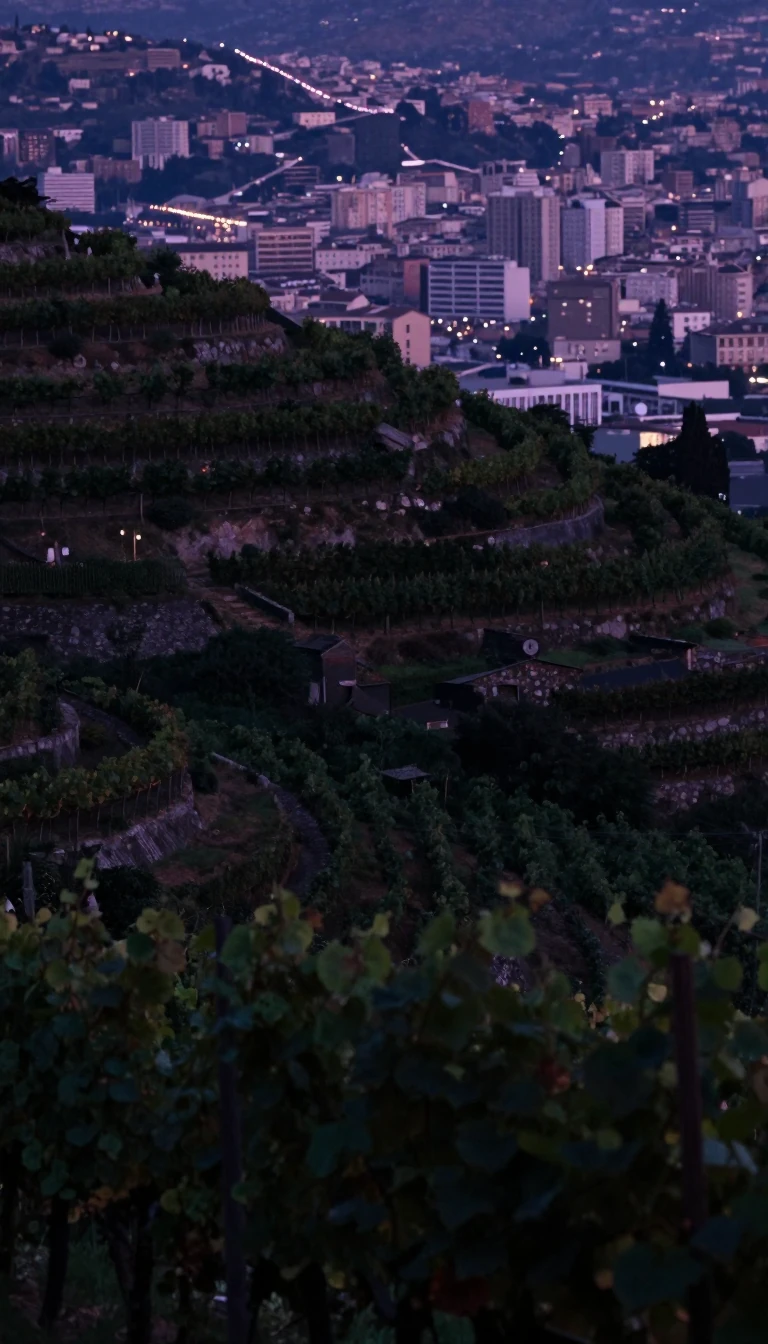
In short: Bordeaux wine is defined by its terroir, where the proximity to water and specific soil types dictate quality. Beyond the prestige of the 1855 classification, recent science reveals that vine water stress is a secret ingredient, directly enhancing the complex, aged aromatic profile of the region's finest red wines.
The Bordeaux region, located in southwest France, is a massive viticultural landscape spanning 110,800 hectares. Its success is rooted in a unique geological foundation of limestone and gravel, heavily influenced by the Gironde estuary and the confluence of the Dordogne and Garonne rivers. This oceanic climate, combined with well-drained gravel soils, creates the ideal environment for viticulture. An old local adage suggests that the finest estates are those that can physically see the river from their vineyards, a testament to the importance of geography in shaping the character of the final product.
Winemaking in Bordeaux is a meticulous process of blending rather than relying on single varietals. Red wines are typically dominated by Cabernet Sauvignon on the Left Bank and Merlot on the Right Bank. After fermentation in temperature-controlled vats, the wine is aged in 225-litre oak barriques. The art of the blend—mixing different grape varieties and vineyard plots—is central to achieving a château's signature style. This process has evolved over centuries, from the Roman introduction of viticulture in the mid-1st century CE to the 19th-century recovery from phylloxera infestations by grafting onto American rootstock.
Recent research has quantified how environmental factors influence the sensory experience of these wines. A study investigating the impact of vine water status found that water deficit positively correlates with the perception of an 'aging bouquet.' By analyzing carbon isotope discrimination, researchers linked water stress to the expression of specific aromatic notes like mint, truffle, and undergrowth in aged red Bordeaux. This suggests that the struggle of the vine, dictated by the specific terroir of the vineyard, is a fundamental mechanism in producing the complex, nuanced characteristics that define the world's most prestigious bottles.
The region's output is vast, producing over 700 million bottles in average vintages, yet it remains strictly organized. With 65 appellations and various classification systems—such as the historic 1855 ranking requested by Napoleon III—Bordeaux balances tradition with modern adaptation. As climate change impacts viticulture, producers have even authorized new grape varieties like Marselan and Touriga Nacional to ensure the region's continued relevance and quality.
Opens the Intellect+ feed with this card first. Swipe up for the next one.
Sources
- Summary by Intellect · source: Bordeaux wine
- Also: Vine Water Deficit Impacts Aging Bouquet in Fine Red Bordeaux Wine.
To cite this card, link to https://intellectplus.co.uk/app/health-bordeaux-wine.
How we source, check and correct cards: Editorial standards.
General information, not professional advice. Spotted an error? Flag the card or see corrections and complaints.
Intellect Plus is a visual educational discovery platform for exploring fascinating facts and ideas. Brain Food, Not Brain Rot. What is Intellect Plus?
Related
More in Health, medicine and disease · More in Health · Latest · A–Z · All topics
