The Douro Valley: From Ancient Roman Roots to the World's First Demarcated Wine Region
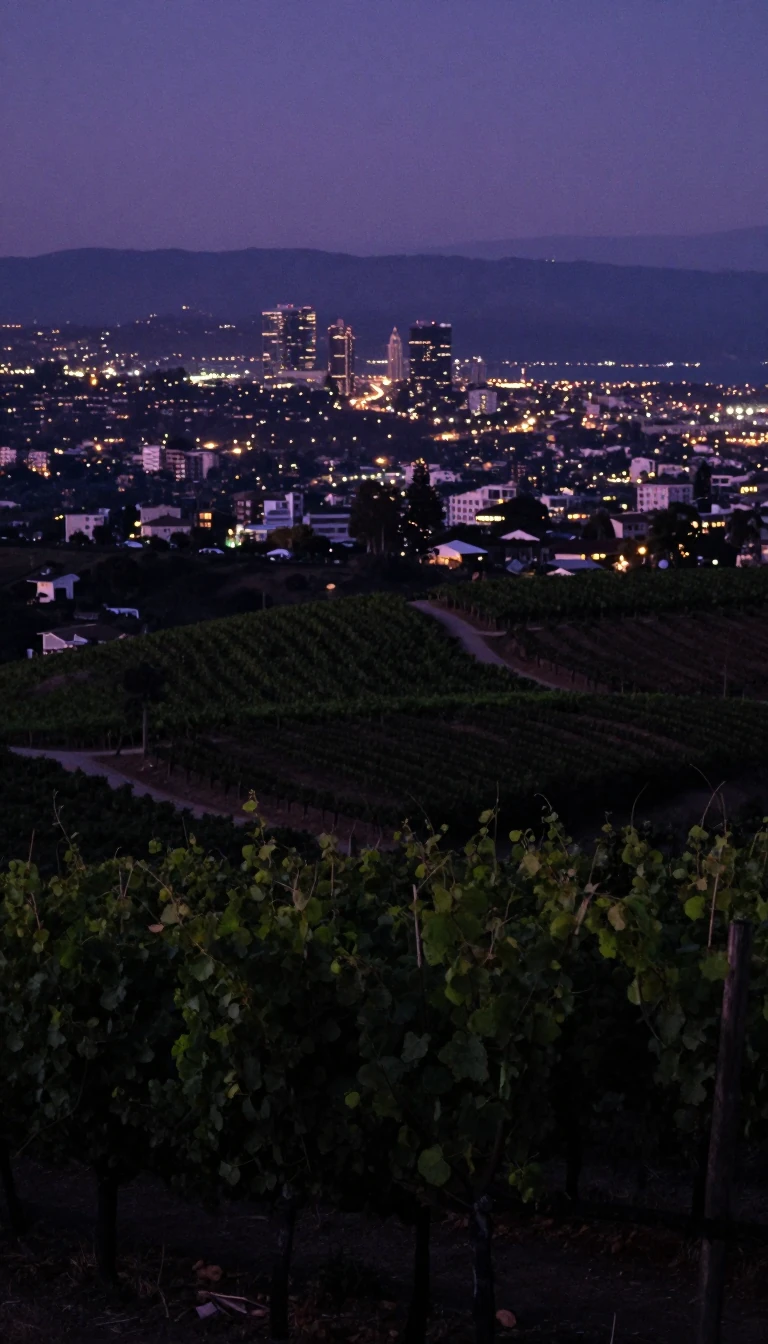
In short: Tucked behind mountain ranges, the Douro region is famous for Port, yet it produces as much table wine today. This UNESCO World Heritage Site, once defined by royal decree in 1756, has evolved from a fortified wine monopoly into a diverse landscape of ambitious, high-quality viticulture and ancient terraced vineyards.
The Douro region, often called the Alto Douro, is a protected viticultural area centered on the Douro River in Portugal. Sheltered from coastal Atlantic winds by the Marão and Montemuro mountains, the region experiences a continental climate characterized by hot, dry summers and cold winters. This unique geography has supported winemaking since at least the 3rd and 4th centuries AD, with significant medieval development driven by Cistercian monasteries such as Salzedas and São Pedro das Águias.
The region holds the distinction of being the world's first formally demarcated wine region, established by a royal Portuguese charter on 10 September 1756. This regulation was spurred by the economic importance of Port wine, which surged following the 1703 Methuen Treaty between Portugal and England. For centuries, the local industry was dominated by Port lodges that showed little interest in non-fortified table wines. This changed significantly after Portugal joined the European Economic Community in 1986, which broke the Port lodges' monopoly and allowed producers to bottle their own dry wines.
Modern Douro production is divided into three subregions: the mild Baixo Corgo, the central Cima Corgo, and the hot, dry Douro Superior. While Port production traditionally favored schist soils, table wine production often utilizes granite-based areas. The region's shift toward quality was catalyzed by Fernando Nicolau de Almeida, who created the iconic Barca Velha in 1952. Today, a focus on identifying and planting superior grape varieties—such as Touriga Nacional and Tinta Roriz—has transformed the Douro from a region of unknown mixed plantations into a sophisticated hub for both fortified and ambitious table wines.
The region's resilience is as notable as its history. It survived devastating 19th-century outbreaks of powdery mildew in 1852 and Phylloxera in 1863. In 2001, the area was recognized as a World Heritage Site, cementing its status as a vital piece of global agricultural heritage that continues to expand eastward into its most rugged, least accessible terrain.
Opens the Intellect+ feed with this card first. Swipe up for the next one.
Sources
- Summary by Intellect · source: Douro DOC
To cite this card, link to https://intellectplus.co.uk/app/places-alto-douro-region.
How we source, check and correct cards: Editorial standards.
General information, not professional advice. Spotted an error? Flag the card or see corrections and complaints.
Intellect Plus is a visual educational discovery platform for exploring fascinating facts and ideas. Brain Food, Not Brain Rot. What is Intellect Plus?
Related
More in World Heritage Sites · More in Countries & Cities · Latest · A–Z · All topics
