Training the immune system to hunt cancer cells without harming healthy tissue
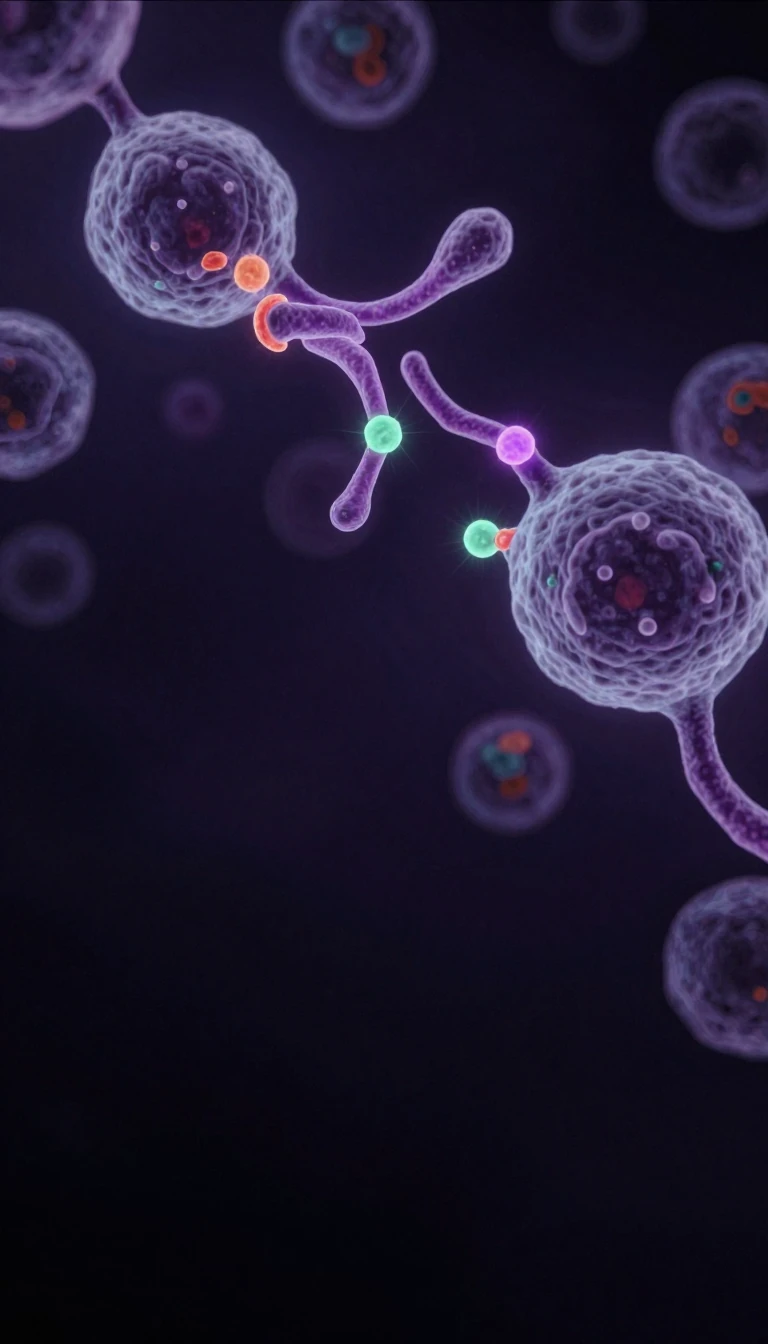
In short: Unlike traditional vaccines that prevent infection, therapeutic cancer vaccines are designed to treat existing tumors. By identifying unique proteins found only in cancer cells, these treatments train the body's own defense system to recognize, destroy, and prevent the spread of malignant cells while leaving healthy tissue untouched.
The fundamental mechanism of a cancer vaccine relies on 'tumor antigens'—proteins or peptides that are present in cancer cells but absent in normal cells. Because the immune system normally performs 'immunosurveillance' to destroy abnormal cells, cancer can develop by evolving ways to evade this detection. Vaccines aim to bypass this evasion by training the adaptive immune system to recognize specific cancer-specific mutations or peptides. Antigen-presenting cells, such as dendritic cells, take up these vaccine antigens and present them to T-cells. If the T-cells recognize the antigen as foreign, they activate a targeted attack against the tumor.
Current innovation is shifting toward 'personalized' or 'autologous' mRNA vaccines. These are tailored to the specific genetic makeup of an individual's tumor. For example, the NHS Cancer Vaccine Launch Pad (CVLP) in England aims to recruit 10,000 patients into personalized mRNA vaccine trials by 2030. This initiative, which went live in spring 2024, focuses on identifying patient-specific 'neoantigens.' While current eligibility is largely limited to advanced-stage cancers, the goal is to expand access as evidence of efficacy grows. Trials have already commenced for colorectal cancer, with additional recruitment for head and neck and melanoma cancers scheduled for May 2025.
Despite this promise, the path to widespread clinical use faces significant hurdles. Research indicates that cancer vaccines have not yet shown consistent survival benefits in large randomized trials. Challenges include high production costs, complex manufacturing requirements, and the difficulty of predicting how T-cells will react to specific antigens. To solve this, researchers are increasingly integrating artificial intelligence to navigate the 'bottlenecks' of vaccine development, such as prioritizing the best neoantigen candidates and optimizing lipid nanoparticle delivery systems. The goal is a move toward precision immunotherapy where the vaccine is as unique as the patient's own genetic profile.
Opens the Intellect+ feed with this card first. Swipe up for the next one.
Sources
- Summary by Intellect · source: Cancer Vaccine Launch Pad: Improving access to cancer vaccine trials - SWAG Cancer Alliance
- Also: Cancer vaccine
- Also: Cancer Vaccine Strategies in Non-Small Cell Lung Cancer.
To cite this card, link to https://intellectplus.co.uk/app/health-cancer-vaccine.
How we source, check and correct cards: Editorial standards.
General information, not professional advice. Spotted an error? Flag the card or see corrections and complaints.
Intellect Plus is a visual educational discovery platform for exploring fascinating facts and ideas. Brain Food, Not Brain Rot. What is Intellect Plus?
Related
More in Vaccines · More in Health · Latest · A–Z · All topics
