The brain's hidden conductor: could this thin sheet of neurons orchestrate consciousness?
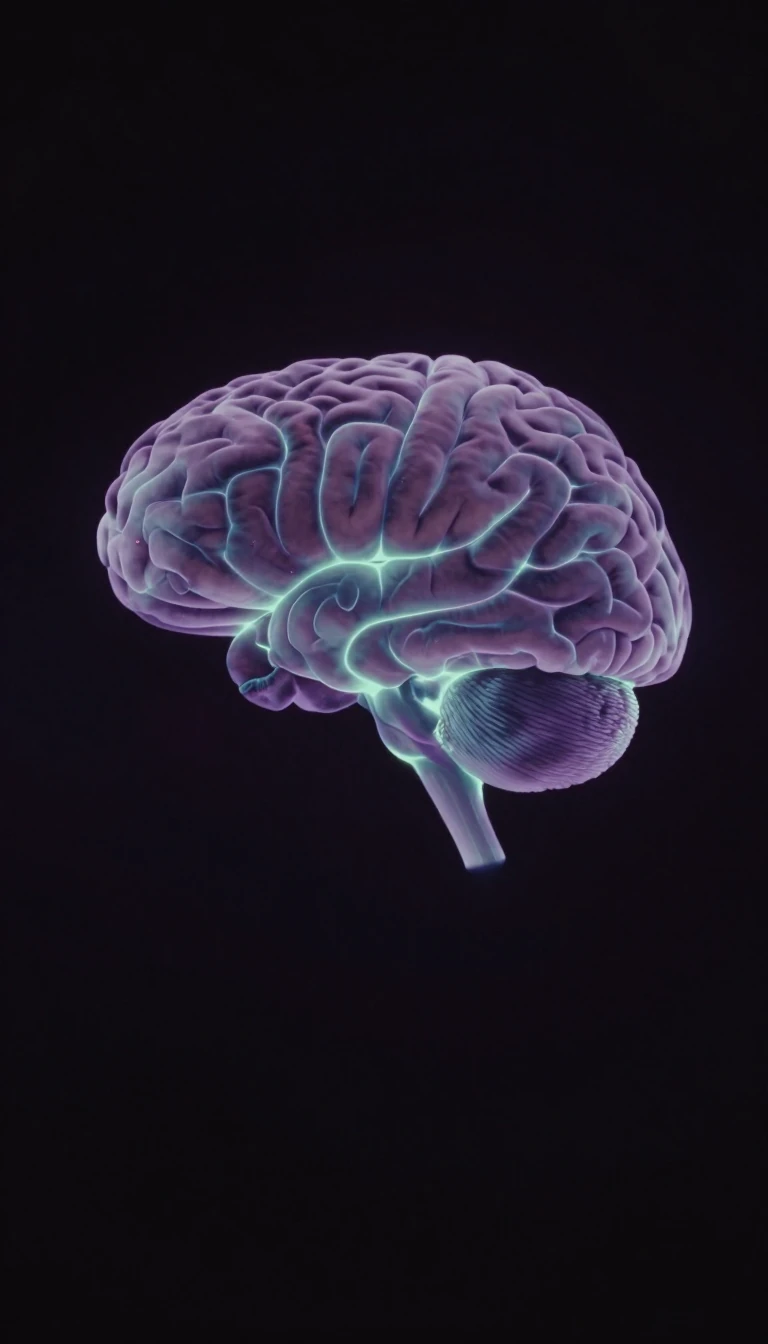
In short: Deep within your brain lies the claustrum, a structure only a few tenths of a millimeter thick. Despite its tiny size, it is the most densely connected region in the brain, acting as a neural hub that may integrate sight, sound, and touch into a single, unified experience.
The claustrum, meaning 'to close' or 'to shut', acts as a biological conductor. Much like an orchestral leader, it is hypothesized to synchronize widely separated brain regions, such as the visual cortex and frontal eye fields. By processing various sensory modalities, it may facilitate the 'gating' of attention—selectively amplifying task-relevant stimuli while suppressing background noise to prevent distraction. Beyond mere coordination, it may also perform local transformations of diverse inputs by joining the activity of different modules. This process is supported by the presence of gap junctions between certain interneurons, which aids in the synchronization of these modalities.
Structurally, this bilateral gray matter sheet is incredibly thin but spans over 5 cm in both length and height. It sits between the insular cortex and the putamen, receiving massive inputs from the thalamus, amygola, and hippocampus. Recent histological reconstructions from 2026 estimate its total volume at approximately 0.13% of the brain, making it roughly twice the size of the substantia nigra and three-quarters the size of the amygdala. The structure is composed of various cell types, including large Golgi type I neurons characterized by dendritic spines. While it lacks the distinct layered organization found in the cortex, it maintains a specific topological organization for each sensory modality.
The importance of the claustrum's connectivity is underscored by clinical observations. In humans, electrical stimulation near this region has been shown to reversibly disrupt conscious states, leading to unresponsiveness or even amnesia. Furthermore, neuroimaging has identified a 'claustrum sign'—bilateral hyperintensity on MRI—in patients suffering from new-onset refractory status epilepticus (NORSE). In a systematic review of 206 cases, researchers found that this sign often emerges about seven days after the onset of seizures, particularly in younger patients with a febrile prodrome. Among these patients, 93% presented with a fever before the onset of seizures, and the majority experienced convulsive status epilepticus.
Opens the Intellect+ feed with this card first. Swipe up for the next one.
Sources
- Summary by Intellect · source: Claustrum
- Also: Claustrum Involvement in New Onset Refractory Status Epilepticus: A Systematic Review.
To cite this card, link to https://intellectplus.co.uk/app/health-claustrum.
How we source, check and correct cards: Editorial standards.
General information, not professional advice. Spotted an error? Flag the card or see corrections and complaints.
Intellect Plus is a visual educational discovery platform for exploring fascinating facts and ideas. Brain Food, Not Brain Rot. What is Intellect Plus?
Related
More in Consciousness · More in Health · Latest · A–Z · All topics
