Can a single brain host two separate conscious entities?
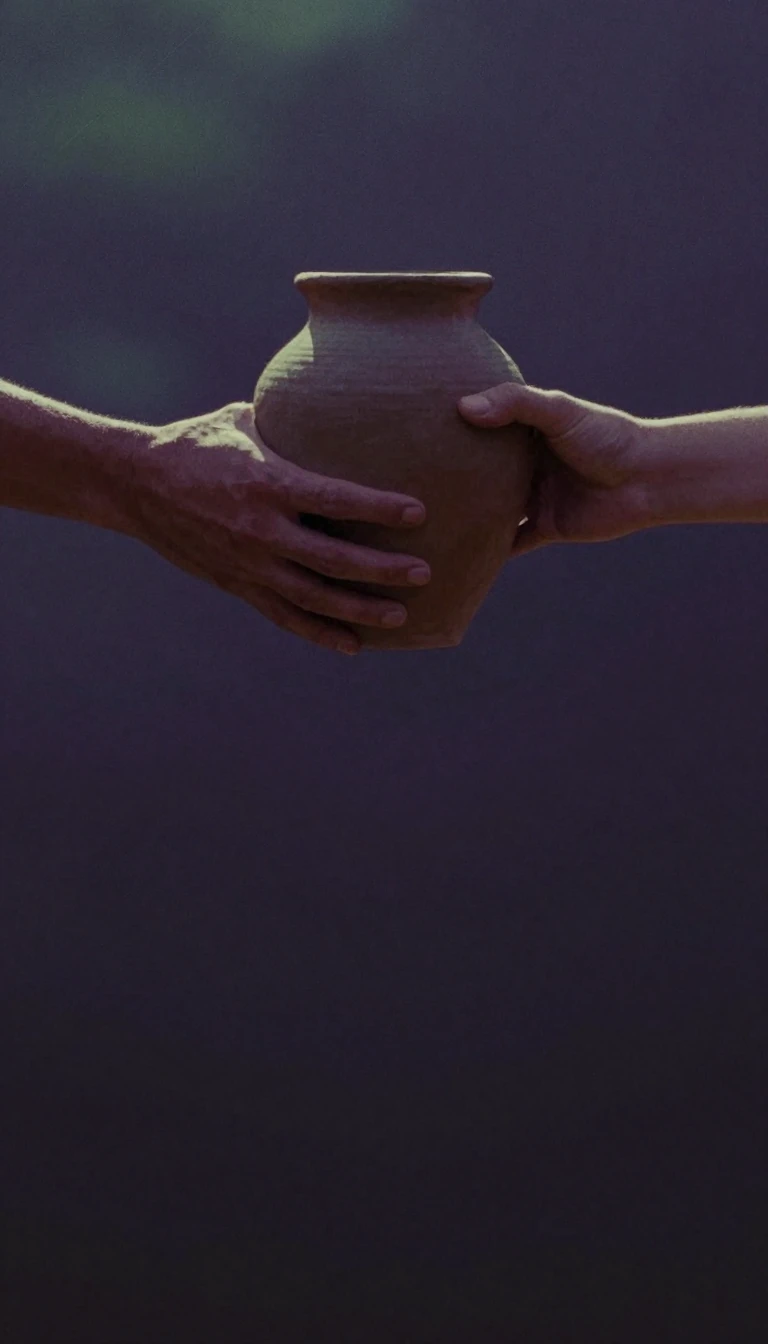
In short: When surgeons sever the primary communication bridge between the brain's hemispheres, the results are eerie. Some patients experience "alien hands" that act independently of their will, leading some scientists to wonder if one mind can actually split into two distinct personalities living in the same skull.
The hypothesis of dual consciousness emerged from the study of "split-brain" patients—individuals who have undergone a corpus callosotomy. This surgery severs the corpus callosum, the primary pathway for communication between the brain's left and right hemispheres. Originally developed in the 1930s to treat severe epilepsy by stopping abnormal electrical discharges, the procedure can result in profound neurological changes, including "alien hand syndrome," where one hand performs actions (like unbuttoning a shirt) that conflict with the other hand's goals.
In the 1970s and 80s, researchers like Roger Sperry and Michael Gazzaniga conducted experiments to see if these hemispheres functioned as independent conscious entities. One famous study involved showing different images to each visual field: a winter house in the left field (processed by the right hemisphere) and a chicken's claw in the right field (processed by the left). When asked to choose related items, patients used their hands to pick correct matches from both sides but then provided a single, unified explanation for their actions.
Gazzaniga identified this as the "left-brain interpreter." Because the left hemisphere—usually responsible for speech—had no awareness of the winter house, it essentially "invented" a logical reason to connect the two unrelated choices. While Sperry used these findings to argue that each hemisphere possesses its own consciousness, the neuroscience community remains divided; there is currently no conclusive evidence to prove that dual consciousness actually exists.
These experiments matter because they challenge our fundamental assumptions about the unity of the self. They suggest that what we experience as a single, cohesive identity might be a narrative constructed by one part of the brain to make sense of inputs from other parts.
Opens the Intellect+ feed with this card first. Swipe up for the next one.
Sources
- Summary by Intellect · source: Dual consciousness
To cite this card, link to https://intellectplus.co.uk/app/health-dual-consciousness.
How we source, check and correct cards: Editorial standards.
General information, not professional advice. Spotted an error? Flag the card or see corrections and complaints.
Intellect Plus is a visual educational discovery platform for exploring fascinating facts and ideas. Brain Food, Not Brain Rot. What is Intellect Plus?
Related
More in Consciousness · More in Health · Latest · A–Z · All topics
