 Intellect Plus
Consciousness
36 cards. Each one is a 40-second story with a five-minute read behind it.
 The hidden architecture of the global egg industry's battery cagesThe term 'battery' in poultry farming doesn't refer to electricity. It describes an industrial arrangement of cages in rows and tiers, modeled after artillery batteries. While the…
 The horse is not a tool, but a living mirror of emotionEquine-assisted therapy leverages the intuitive nature of horses to help humans process deep-seated psychological and physical challenges. By observing how a horse responds to the…
 Can a fish feel suffering, or is it just a reflex?For centuries, philosophers debated whether animals could truly feel pain or merely react to it. While humans experience pain as a private, emotional state, determining if fish sh…
 Can a cockroach feel pain, or is it just a reflex?We often assume that if an animal reacts to a sting, it must be suffering. But there is a vital distinction between nociception—the mechanical reflex to avoid harm—and the private…
 From an occult church to a sanctuary for 1,500 animalsThe Best Friends Animal Society began as the Process Church of the Final Judgment, an English occult group. Today, it manages over 36,000 acres of land in Utah, providing a perman…
 From fringe movement to parliamentary power: the rise of Norway's Green PartyFor decades, the Norwegian Green Party existed on the periphery of politics, never breaking 0.5% in national elections. That changed in 2025, as the party secured its first-ever l…
 The UK's unique legal bridge between profit and public goodHow do you run a business that prioritizes the community over the bottom line? In 2005, the UK introduced a specific legal structure to solve this dilemma. It allows for profit, b…
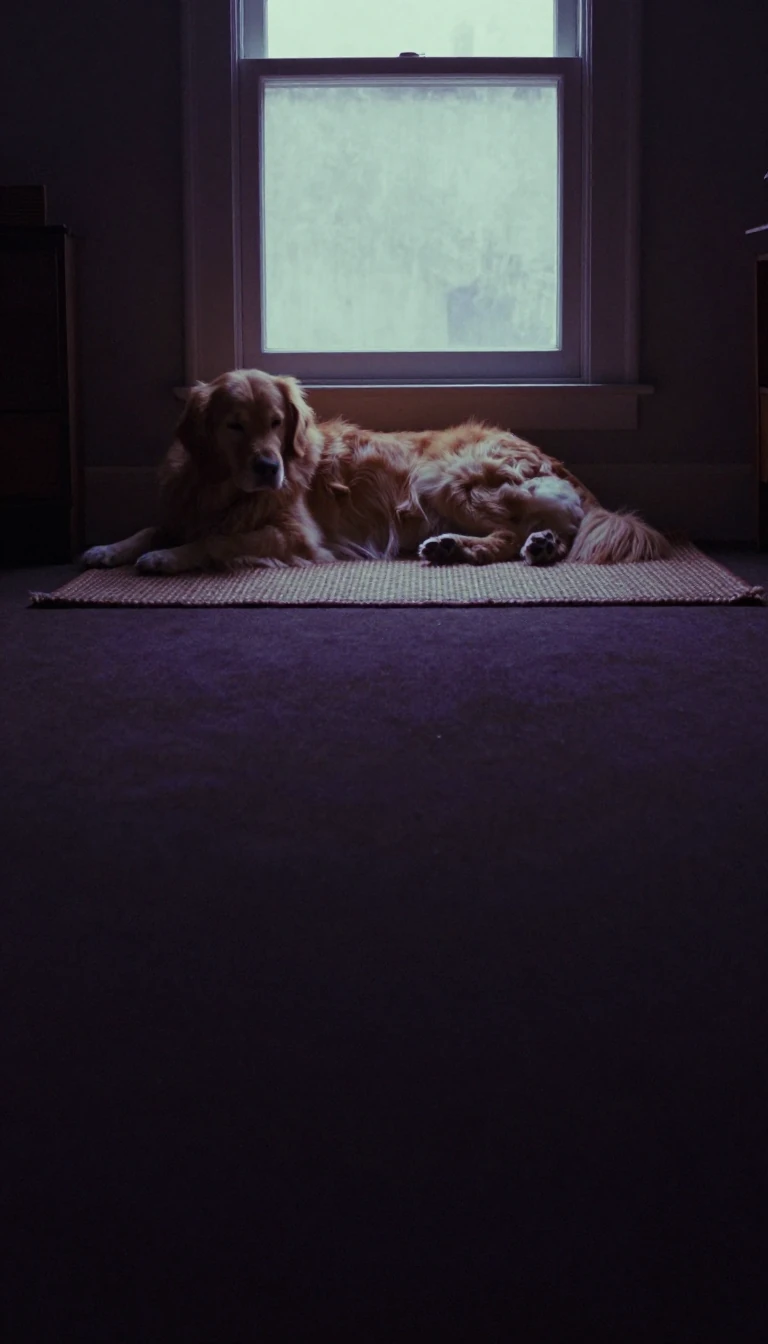 Can a simple bond with an animal transform human psychological health?Beyond companionship, animal-assisted therapy leverages a biological bond to lower blood pressure and reduce stress. While some believe it is a modern trend, the practice of using…
 Does natural selection prioritize the survival of the group over the individual?Evolutionary biology suggests a sobering reality: nature does not care about individual well-being. Because natural selection favors traits that ensure reproduction and survival, …
 How nature builds immense complexity without a master planIf you find a watch, you assume a watchmaker. But how does nature create such intricate, functional complexity without a designer? The answer lies in a process that is both random…
 The gene as the driver of evolution and the meme as its cultural twinRichard Dawkins famously reframed Darwinism, arguing that natural selection operates at the genetic level rather than the species level. He even proposed a cultural equivalent to …
 Is your continuous stream of consciousness actually a clever mental illusion?We experience life as a seamless flow, like a river of thought. But modern psychology and philosophy suggest this continuity might be a trick of perception. From the 'refrigerator…
 The 200-year evolution of animal welfare from theology to rescueThe RSPCA stands as the world's oldest animal welfare organization, but its roots reach back to a fierce nineteenth-century intellectual battle. It emerged from intense debates ov…
 Why science cannot fully explain what it is like to be a batWe can map every neuron in a brain, yet we remain locked out of the internal lives of others. This gap between objective data and first-person feeling is the heart of the debate o…
 The 1848 school that faced backlash for teaching women mathematicsIn mid-19th century London, educating women was a radical act. When Queen's College was established, the press attacked the curriculum, claiming that teaching subjects like mathem…
 Is the ultimate moral goal to end all suffering?Negative utilitarianism suggests that minimizing pain is not just a priority—it might be our primary moral duty. While traditional ethics seeks to maximize happiness, this perspec…
 Is your brain making decisions before you even know them?For decades, neuroscientific studies suggested that our brains initiate actions before we consciously decide to act, leading many to believe free will is a biological illusion. Ho…
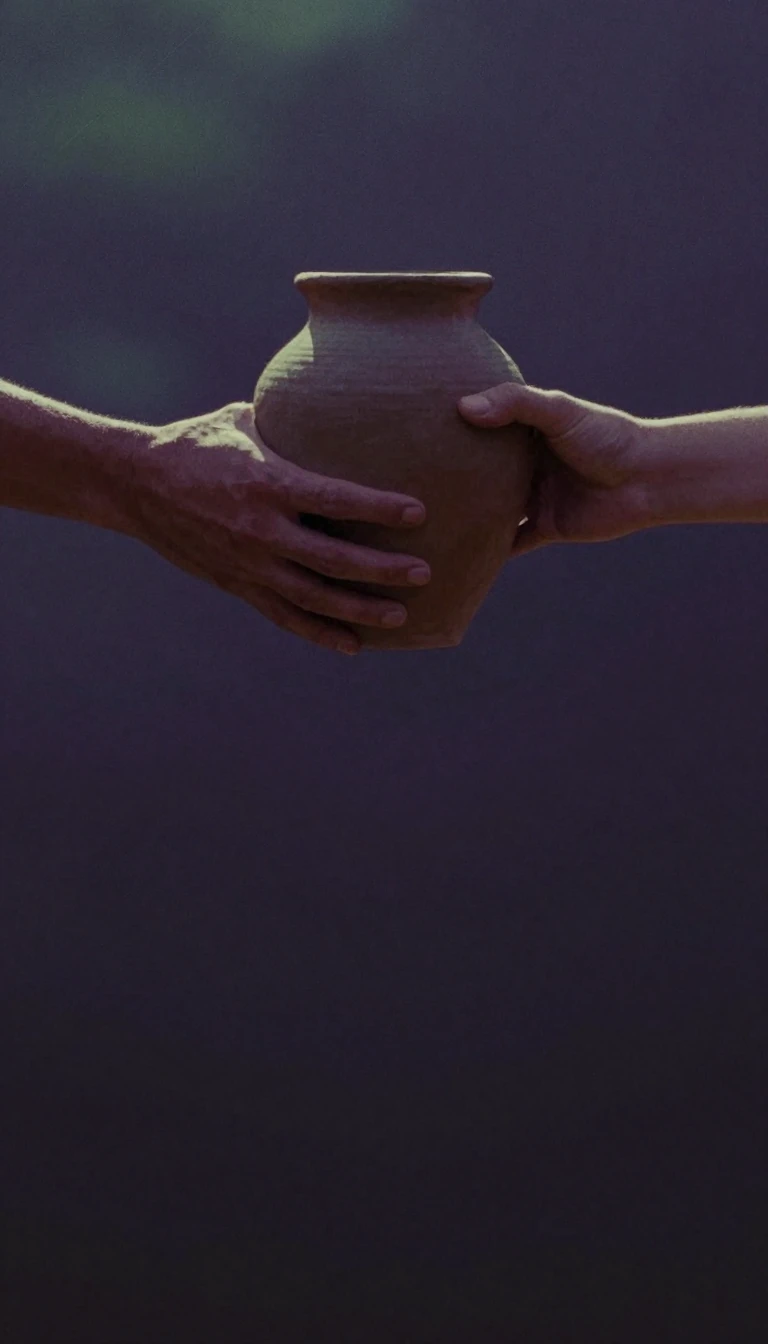 How a severed brain connection revealed a hidden internal interpreterWhen the bridge between brain hemispheres is cut, the mind splits. Through groundbreaking research on split-brain patients, neuroscientist Michael Gazzaniga discovered that our le…
 The academic title 'lecturer' is a global linguistic minefieldDepending on where you are in the world, a lecturer might be a tenured expert, a temporary teacher, or a student with a part-time gig. This single title masks a complex web of var…
 Are great apes legal persons or mere property under the law?For centuries, animals were legally classified as things. Today, a growing movement argues that great apes—bonobos, chimpanzees, gorillas, and orangutans—possess the self-awarenes…
 How to predict the world by treating everything as if it has a mindWhen you watch a bird fly or a robot move, you aren't just seeing physics. You are likely using a sophisticated mental shortcut. By ascribing beliefs and desires to objects, you c…
- Can a single brain host two separate conscious entities?When surgeons sever the primary communication bridge between the brain's hemispheres, the results are eerie. Some patients experience "alien hands" that act independently of their…
 Design does not require a designer: the corrosive logic of evolutionMost people assume that complex design—from the human eye to the smartphone in your pocket—requires an intentional architect. Philosopher Daniel Dennett argues the opposite. He su…
- Does your nation recognize that animals can feel?Legal protections for animals are far from universal. While some nations have formally acknowledged the sentience of non-human animals, others possess no anti-cruelty laws at all.…
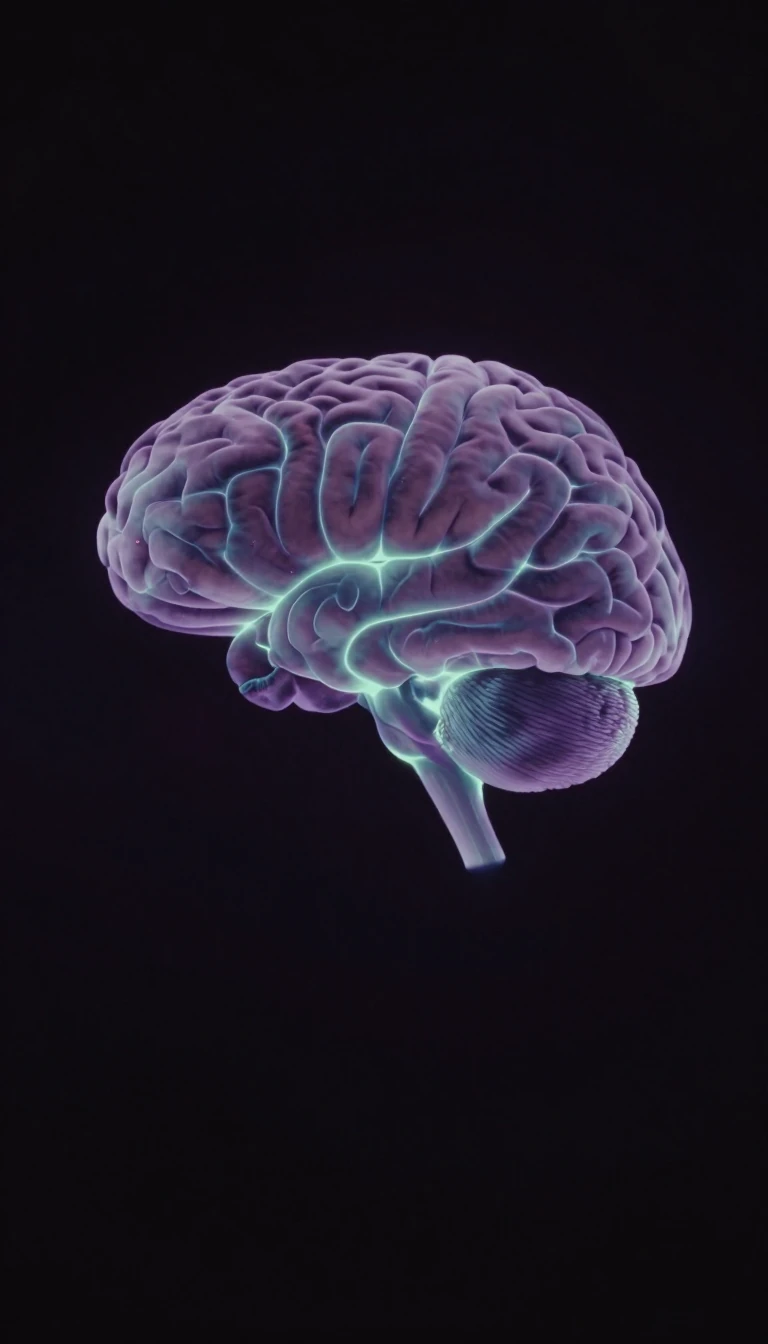 The heart was once thought to be the seat of thoughtFor centuries, humanity believed the heart governed our feelings and intellect, while the brain was merely a cooling system. Modern neuroscience has overturned this ancient perspe…
- Why your brain can remember everything even if half is goneTraditional neuroscience views memory as a series of specific locations, like files in a cabinet. But what if your mind works more like a hologram? In a hologram, every tiny piece…
- The brain's hidden conductor: could this thin sheet of neurons orchestrate consciousness?Deep within your brain lies the claustrum, a structure only a few tenths of a millimeter thick. Despite its tiny size, it is the most densely connected region in the brain, acting…
 The evolutionary trade-off of forgetting: why your brain blocks out traumaYour brain isn't just a passive recorder; it is an active editor. Cognitive inhibition allows you to tune out irrelevant noise, but it also serves a deeper, more survival-oriented…
 Is the human brain biologically incapable of solving the mystery of consciousness?We often assume that with enough data and better technology, we will eventually decode how matter produces subjective experience. But a growing school of thought suggests our brai…
 Are you a permanent soul or just a collection of passing perceptions?Philosophers have long debated whether a stable 'self' exists. From Aristotle’s immortal intellect to David Hume’s 'bundle theory,' the search for a core identity reveals a profou…
- Is the brain's 'hardware' enough to explain the feeling of being?Neuroscientists are hunting for the Neural Correlates of Consciousness, which are the specific neuronal events that mirror our subjective experiences. While researchers can map wh…
 Can we achieve a state of awareness without any choice?Most of us navigate life through a constant stream of preferences and decisions. But what if true clarity only arrives when the 'chooser' disappears? Explore the radical philosoph…
 Your brain can record a change without you ever knowing it happenedYou might be missing major shifts in your environment, yet your brain is still processing them. Research shows that the mind can represent visual changes even when your conscious …
 The mental time travel that defines your sense of selfImagine being trapped in a permanent present, unable to recall yesterday or plan for tomorrow. This is the reality without autonoetic consciousness—the unique human ability to men…
 Why the most common cause of unconsciousness isn't always in the brainWhen a patient arrives at an emergency room with an altered level of consciousness, clinicians often reflexively look for neurological trauma. However, data suggests that systemic…
 You spend one-third of your waking life in a mental daydreamWhile you believe you are navigating the world, your brain is often elsewhere. Research suggests that adults spend roughly 33% of their conscious lives engaged in undirected think…