Beyond the Pincer: The Complex Biology and Engineering of the Animal Claw
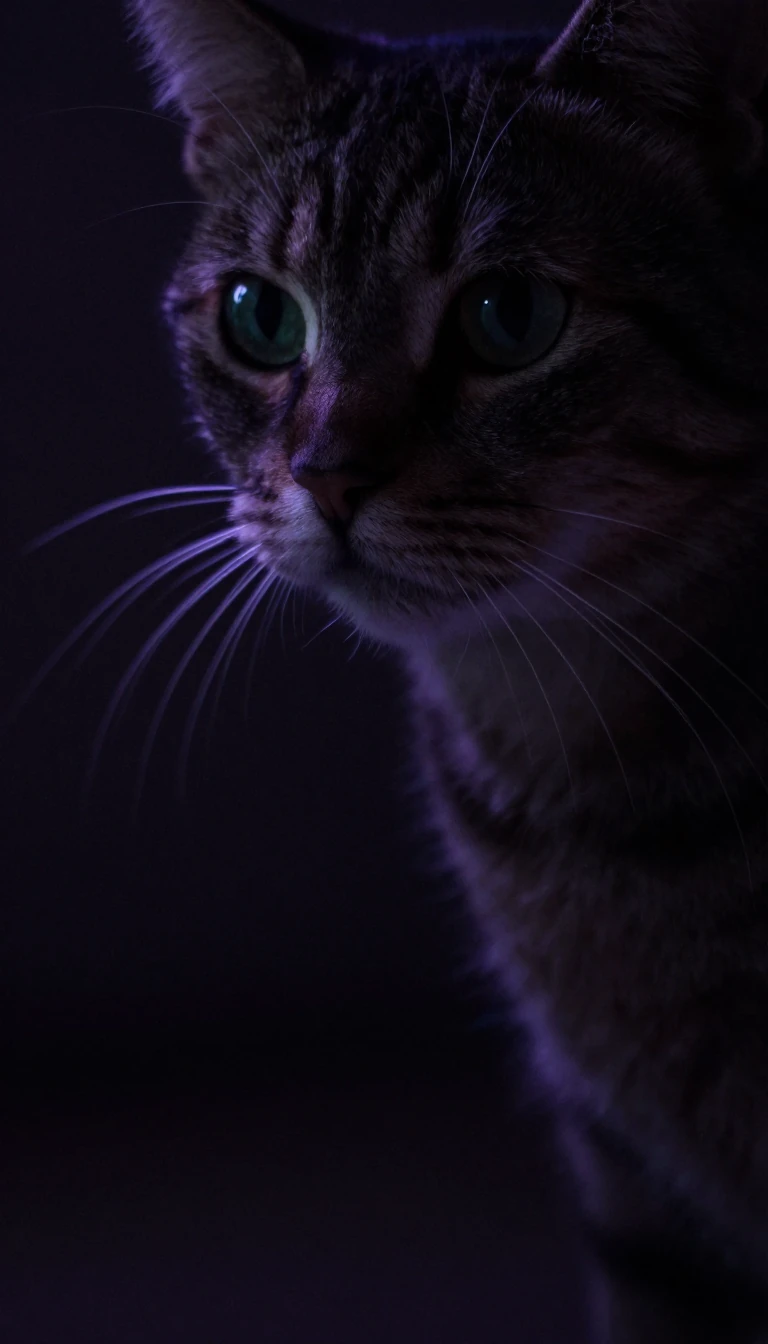
In short: A claw is more than a simple hook; it is a sophisticated biological tool made of keratin, engineered for climbing, hunting, and defense. From the retractile blades of a cat to the specialized grooming claws of primates, these appendages reveal a remarkable diversity of form and function across the animal kingdom.
At its core, a true claw is a two-layered structure of keratin. The unguis, a hard external layer, grows faster than the softer, flaky subunguis, creating the characteristic curve and sharp point essential for gripping or killing. While mammals, reptiles, and birds commonly possess these structures, they are absent in most primates, where they have evolved into flatter nails. Exceptions persist, such as the grooming claws found on the second pedal digits of night monkeys and tarsiers, or the claw-like nails of small-bodied callitrichids.
The utility of the claw extends far beyond simple grasping. Predatory mammals like the Felidae family utilize protractile claws, which remain hidden within the paw to prevent wear until needed. In contrast, birds of prey rely on specialized talons as their primary hunting tools, while other species, like the African clawed frog, have evolved claws independently from the amniote line. Some animals even use claws for self-defense; cassowaries, for instance, possess inner-toe claws capable of causing severe injury. The growth process itself is dynamic, with claws periodically breaking off old segments through an abscission layer, a process similar to hair shedding.
Human engineering increasingly draws inspiration from these biological designs. Researchers have developed bio-inspired claw-spines to study attachment forces on rough surfaces, measuring significant frictional stability on materials like brick and sandpaper. Similarly, agricultural technology has adopted claw-like mechanisms to optimize peanut shelling. By applying mechanical models to claw geometry, engineers have successfully reduced the force required for shell rupture while significantly increasing the survival rate of the kernels inside. These applications demonstrate that the claw's efficiency in nature—balancing strength, precision, and durability—remains a gold standard for mechanical design.
Opens the Intellect+ feed with this card first. Swipe up for the next one.
Sources
- Summary by Intellect · source: Claw
- Also: Tribological Behavior and Attachment Force Regulation of Bioinspired Claw-Spines.
- Also: Mechanism-constrained D-optimal design of a flexible claw for peanut shelling under biological variability.
To cite this card, link to https://intellectplus.co.uk/app/health-claw.
How we source, check and correct cards: Editorial standards.
General information, not professional advice. Spotted an error? Flag the card or see corrections and complaints.
Intellect Plus is a visual educational discovery platform for exploring fascinating facts and ideas. Brain Food, Not Brain Rot. What is Intellect Plus?
Related
More in Anatomy and morphology · More in Health · Latest · A–Z · All topics
