Can a computer program simulate the neural chaos of a psychedelic experience?
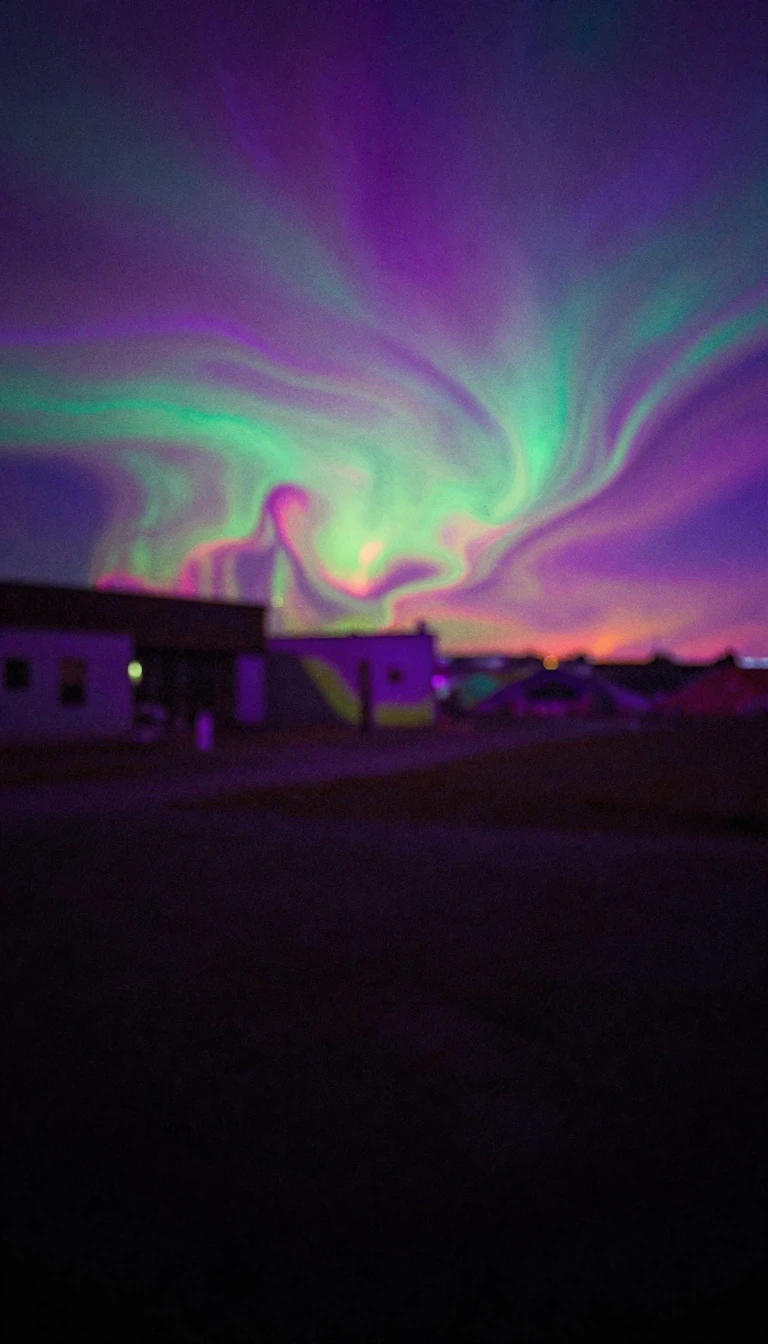
In short: Google's DeepDream algorithm creates surreal, hallucinatory imagery by running neural networks in reverse. By forcing a system designed to recognize patterns to instead hallucinate them, researchers are uncovering striking parallels between artificial intelligence and the human brain, offering a new lens to study consciousness and altered states of perception.
Developed by Google engineer Alexander Mordvintsev and released in July 2015, DeepDream originated from the Inception neural network. While originally designed for image classification, the software can be run in reverse. Instead of adjusting internal weights to learn, the network keeps its weights fixed and iteratively modifies the input image to maximize the confidence score of specific neurons, such as those for faces or animals. This process creates algorithmic pareidolia, where the computer finds patterns in noise, resulting in dream-like, psychedelic visuals.
The resemblance between these generated images and hallucinations induced by substances like LSD or psilocybin is more than aesthetic. Scientific studies suggest a functional overlap between artificial neural networks and the human visual cortex. In 2021, a study in the journal Entropy found that viewing DeepDream-altered videos triggered higher entropy in human EEG signals and increased functional connectivity between brain areas—both established biomarkers of actual psychedelic states. Further research in 2022 indicated that exposure to these virtual reality environments can reorganize cognitive dynamics, potentially inhibiting automated decision-making and encouraging more creative, uncommon strategies.
Beyond art, DeepDream serves as a tool for computational neurophenomenology. The C × G × D framework, for instance, uses deep neural networks to model altered states of consciousness by balancing a classifier, a generator, and a discriminator. By manipulating these components, researchers can simulate various hallucinatory mechanisms, from neurodegenerative conditions to schizophrenia-type experiences. This approach treats internal noise modifications as a proxy for how hallucinogens might suppress external sensory data, allowing preconceived internal conceptions to dominate visual perception. By mapping these artificial processes to biological analogies, scientists are gaining a clearer understanding of how the brain constructs reality and why it occasionally drifts into the surreal.
Opens the Intellect+ feed with this card first. Swipe up for the next one.
Sources
- Summary by Intellect · source: DeepDream
- Also: Beyond the reducing valve: towards a computational neurophenomenology of altered states via deep neural networks.
To cite this card, link to https://intellectplus.co.uk/app/health-deepdream.
How we source, check and correct cards: Editorial standards.
General information, not professional advice. Spotted an error? Flag the card or see corrections and complaints.
Intellect Plus is a visual educational discovery platform for exploring fascinating facts and ideas. Brain Food, Not Brain Rot. What is Intellect Plus?
Related
More in Health, medicine and disease · More in Health · Latest · A–Z · All topics
