A knocked-out tooth is a race against time to save the periodontal ligament.
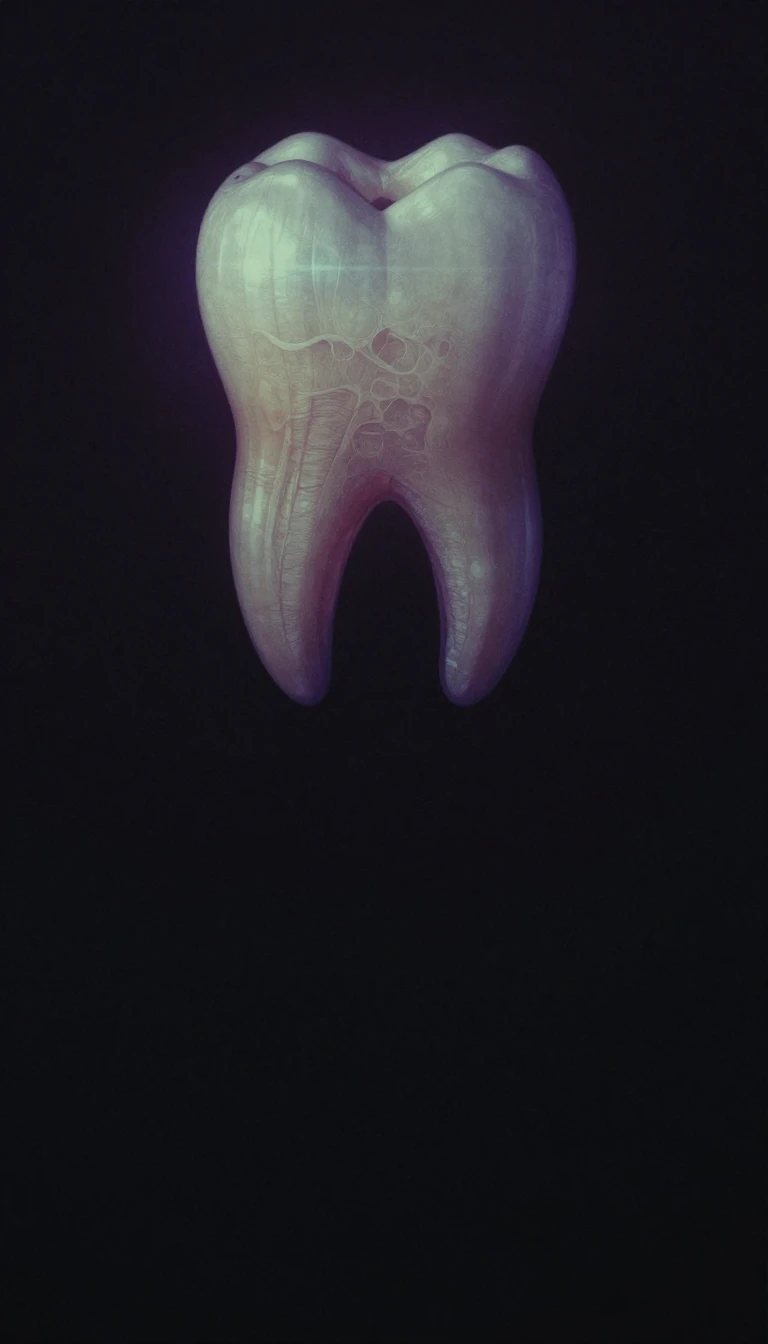
In short: When a permanent tooth is fully displaced from its socket, every minute counts. The survival of the periodontal ligament cells on the root surface determines whether the tooth can be successfully replanted or if it will eventually be rejected by the body. Proper emergency handling is the deciding factor.
Dental avulsion occurs when a tooth is completely knocked out of its alveolar bone socket due to trauma. The success of replantation hinges on the viability of the periodontal ligament (PDL) cells remaining on the root. These cells require an environment with specific pH, osmolality, and nutrients to survive once the tooth's natural blood supply is severed. If these cells die, the body initiates a process called replacement root resorption, where the root is gradually replaced by bone, eventually leading to tooth loss.
Time is the most critical variable. Replantation within 15 minutes offers the best prognosis, while viability sharply declines after 30 minutes of extra-oral dry time. If a tooth remains dry for more than 60 minutes, the prognosis is poor regardless of subsequent storage. When immediate replantation is impossible, the tooth must be kept in a suitable medium. Milk is widely considered the most effective readily available option, as its composition closely mimics the natural conditions needed for PDL cell survival.
Handling the tooth correctly is equally vital. It should only be grasped by the enamel crown, never the root, to avoid crushing the delicate PDL cells. Any debris should be gently rinsed with saline rather than scrubbed. Once at a dental office, the clinician will clean the socket, replant the tooth, and stabilize it with a flexible splint for approximately two weeks. Despite these efforts, dental avulsion remains a serious injury, with studies indicating that 73–96% of replanted teeth are eventually lost over time.
Prevention remains the most effective strategy, particularly through the use of properly fitted mouthguards during contact sports. Despite their availability, usage remains low. Furthermore, dental avulsion is significantly more common in males, who are three times more likely to suffer this injury than females. In the United States alone, over five million teeth are knocked out annually, highlighting the need for greater public awareness regarding emergency dental first-aid.
Opens the Intellect+ feed with this card first. Swipe up for the next one.
Sources
- Summary by Intellect · source: Dental avulsion
To cite this card, link to https://intellectplus.co.uk/app/health-dental-avulsion.
How we source, check and correct cards: Editorial standards.
General information, not professional advice. Spotted an error? Flag the card or see corrections and complaints.
Intellect Plus is a visual educational discovery platform for exploring fascinating facts and ideas. Brain Food, Not Brain Rot. What is Intellect Plus?
Related
More in Morbidity · More in Health · Latest · A–Z · All topics
