Could your ancient Ayurvedic 'dosha' be a map of your brain?
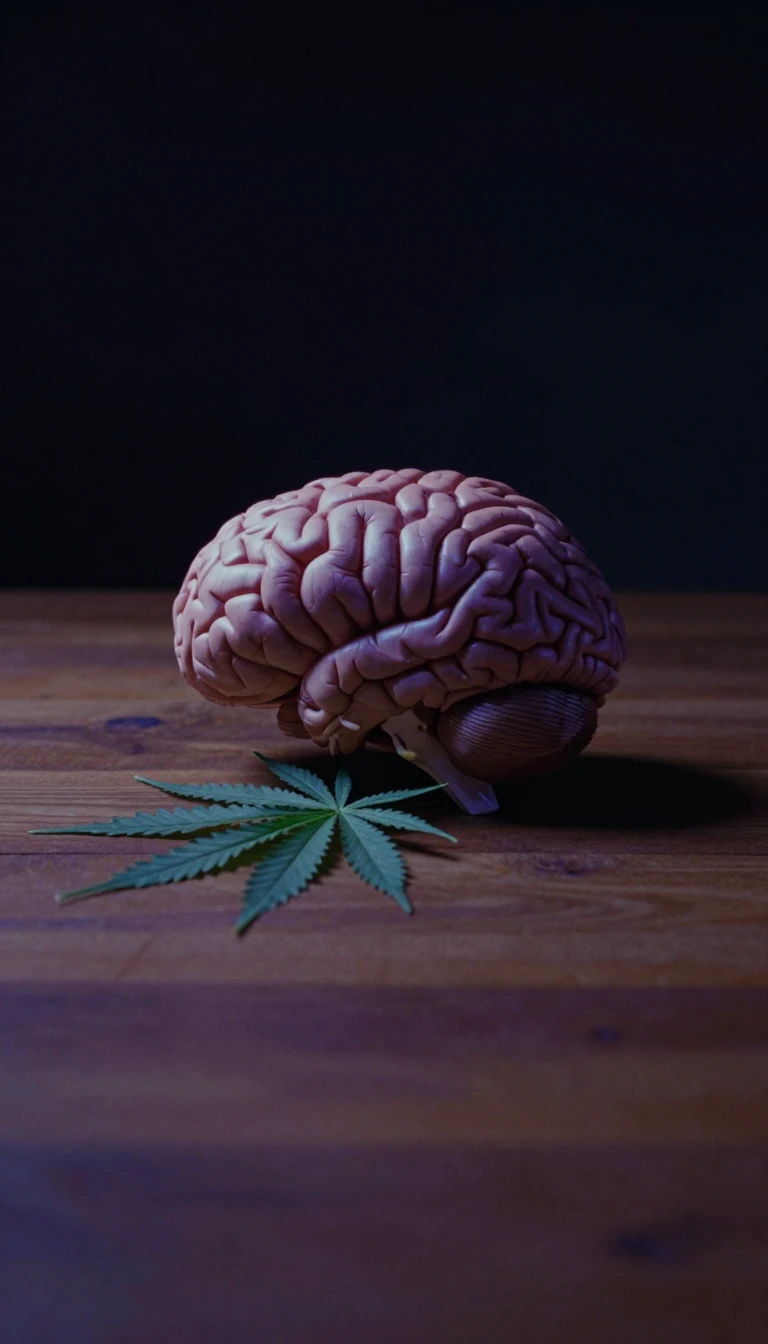
In short: Ayurveda describes three regulatory principles—Vata, Pitta, and Kapha—that govern our bodies and minds. While often dismissed as philosophy, new research suggests these types may correlate with specific neural patterns, blood chemistry, and even genetic expressions, potentially offering a physiological foundation for individual differences.
The three doshas are defined by distinct physiological roles: Vata governs cell signaling, movement, and cognition; Kapha manages anabolism, growth, and structural stability; and Pitta regulates metabolism, thermo-regulation, and attentional processes. Scientists currently examine how such rules appear within the neural network, focusing on six primary regions: the hypothalamus, the limbic system, the enteric nervous system, the autonomic nervous system, the reticular activating system, and the prefrontal cortex. Vata is also responsible for the excretion of bodily wastes. It is considered the primary regulator of the other two doshas. These categories are rooted in the five elements of classical Indian philosophy. The theory suggests that these substances fluctuate based on time of day and seasonal changes.
Distinct brain-type profiles emerge from these categories. A 'Vata' brain-type is associated with high functioning in the prefrontal cortex, leading to quick learning and rapid activity, though it may be easily overstimulated. In contrast, 'Pitta' types are characterized by purposeful, goal-oriented actions and strong reactions to challenges. 'Kapha' types exhibit a slower, steadier pace, favoring methodical thinking and routine. These patterns may provide a framework for individualizing treatments for mental and physical dysfunctions. The Vata mind is noted for its ability to solve creative problems quickly. Kapha types require external stimulation to begin their tasks. Pitta types are described as very dynamic and resolute. These traits are primarily based on external observations of behavior and physical characteristics.
Evidence for these types extends into biochemistry and genetics. Studies have reported that Kapha types often show higher levels of triglycerides, LDL cholesterol, and specific immune signaling genes. Conversely, Pitta types may show up-regulated immune response pathways, while Vata types show up-regulated genes related to cell cycles and inflammatory pathways. While some cardiovascular responses like heart rate variability do not vary by type, others—such as parasympathetic activity—show significant differences, with Kapha types exhibiting higher parasympathetic and lower sympathetic cardiovascular reactivity. Vata types have been found to have higher serum prolactin levels. Pitta types show higher hemoglobin and red blood count levels. Kapha types exhibit increased free radical production and reduced scavenging. Some studies show Vata and Pitta types experience greater decreases in systolic blood pressure after walking.
Opens the Intellect+ feed with this card first. Swipe up for the next one.
Sources
- Summary by Intellect · source: Dosha brain-types: A neural model of individual differences - PMC
- Also: Dosha
To cite this card, link to https://intellectplus.co.uk/app/health-dosha.
How we source, check and correct cards: Editorial standards.
General information, not professional advice. Spotted an error? Flag the card or see corrections and complaints.
Intellect Plus is a visual educational discovery platform for exploring fascinating facts and ideas. Brain Food, Not Brain Rot. What is Intellect Plus?
Related
More in Nutrition · More in Health · Latest · A–Z · All topics
