The Soviet Assembly Shop: Belarus's Strategy of State-Led Stability
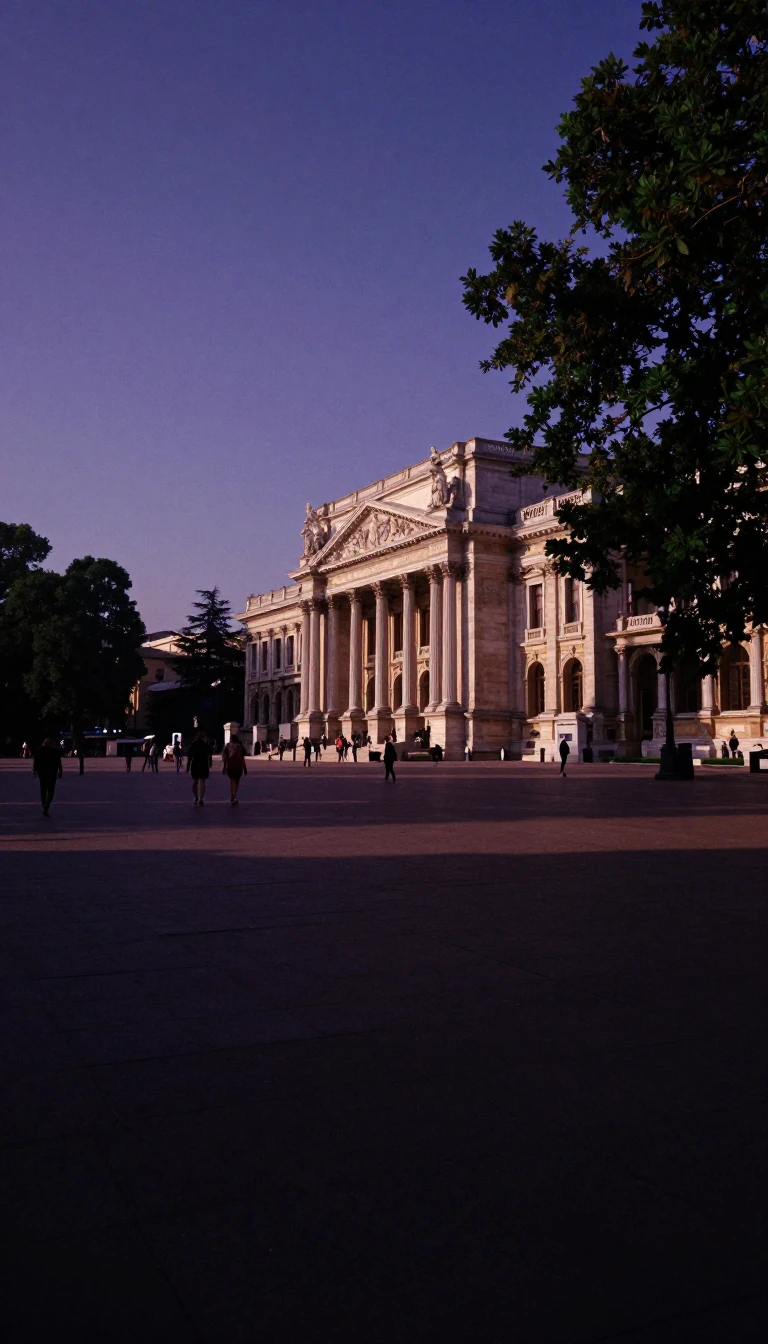
In short: While neighboring nations embraced rapid privatization, Belarus chose a different path: a centralized mixed economy that prioritizes full employment and state control. This model has created a unique welfare state that maintains some of the lowest income inequality in Europe, but faces complex challenges regarding productivity and international isolation.
Following the collapse of the Soviet Union, Belarus, under Alexander Lukashenko, rejected the large-scale privatization seen elsewhere. Instead, the state retained control over key industries, creating a system often described as market socialism. The government directly employs 38.6% of the workforce as of 2024, with a dominant public sector in energy, mining, healthcare, and education. This structure serves as a de facto social welfare program, particularly for industrial workers who make up nearly a quarter of the workforce.
The nation's economic identity was forged as the 'Soviet assembly shop,' a role it held during the Soviet era as a technologically advanced hub for manufacturing tractors, trucks, and microchips. This legacy persists today; while the service sector has grown since the 1990s, manufacturing remains a pillar. However, this state-centric approach has faced hurdles. In 2011, the economy suffered a severe crisis characterized by 108.7% inflation and a 36% ruble devaluation, triggered by a combination of high government spending, low interest rates, and a lack of productivity growth to support rising salaries.
The results of this model are nuanced. Belarus boasts a very low infant mortality rate of 2.9 and one of the lowest Gini coefficients in Europe, indicating significant wealth distribution. Yet, it faces criticism for labor rights and state repression. Furthermore, while the country showed relative resilience during the COVID-19 pandemic—suffering a smaller economic decline (1.5% to 2%) than many European neighbors—it now faces significant trade sanctions from the EU and isolation following its role in the 2022 Russian invasion of Ukraine.
Opens the Intellect+ feed with this card first. Swipe up for the next one.
Sources
- Summary by Intellect · source: Economy of Belarus
To cite this card, link to https://intellectplus.co.uk/app/health-economy-of-belarus.
How we source, check and correct cards: Editorial standards.
General information, not professional advice. Spotted an error? Flag the card or see corrections and complaints.
Intellect Plus is a visual educational discovery platform for exploring fascinating facts and ideas. Brain Food, Not Brain Rot. What is Intellect Plus?
