How a Soviet Republic navigated the chaos of the twentieth century to find independence
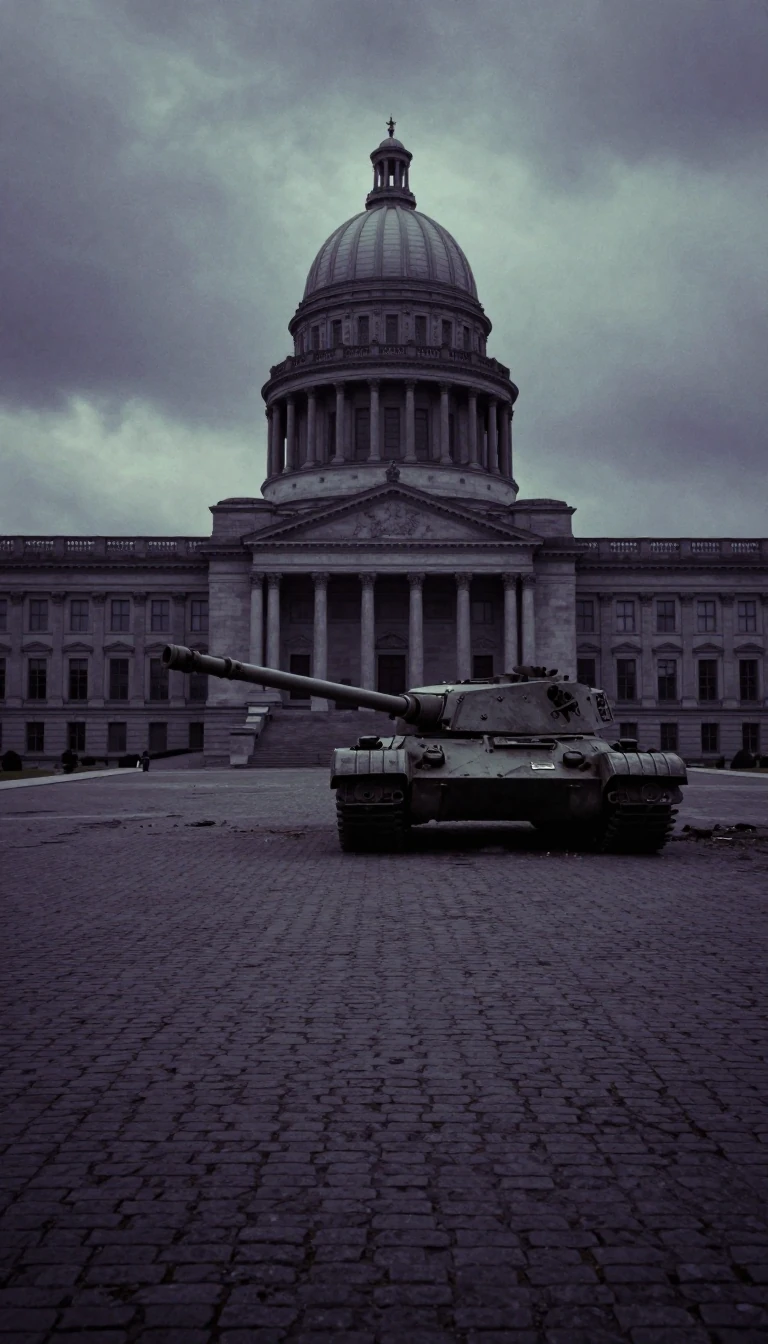
In short: Born from the wreckage of World War I and the Russian Revolution, the Byelorussian Soviet Socialist Republic spent seven decades as a tightly controlled constituent of the USSR. Its journey from a contested borderland to a sovereign nation was marked by industrial transformation, wartime devastation, and a complex political evolution.
The origins of the Byelorussian Soviet Socialist Republic were defined by the volatile collapse of the Russian Empire. Following the 1917 Revolution, the region became a battleground, with an independent Belarusian Democratic Republic briefly declared in 1918 during German occupation. By January 1, 1919, the Bolsheviks established their own Soviet republic, though its borders remained fluid. The 1921 Treaty of Riga formalized a partition that split the territory between Poland and Soviet Russia, a division that would not be reversed until the Soviet invasion of Poland in 1939.
As a founding member of the Soviet Union in 1922, the republic underwent radical changes. Under Joseph Stalin, the state prioritized industrialization, expanding its territory in the mid-1920s by absorbing regions from the Russian Soviet Federated Socialist Republic. However, this era also brought severe repression, including the purges of the 1930s. The republic suffered catastrophic losses during World War II, with estimates suggesting that one-fourth of its population perished during the German occupation and the subsequent fighting that devastated cities like Minsk and Vitebsk.
Post-war reconstruction transformed the republic into a significant industrial hub, producing everything from consumer electronics to military equipment. Despite its status as a constituent republic, it held a unique position with its own seat at the United Nations starting in 1945. The 1986 Chernobyl disaster, which contaminated large swaths of its land, intensified the internal pressures that eventually led to the republic declaring sovereignty in July 1990. Following the failed 1991 coup against Mikhail Gorbachev, the republic formally dissolved its Soviet ties, renamed itself the Republic of Belarus, and transitioned toward a new, centralized presidency under Alexander Lukashenko.
Opens the Intellect+ feed with this card first. Swipe up for the next one.
Sources
- Summary by Intellect · source: Belarus - Soviet Socialist Republic, Emergence, History | Britannica
- Also: Byelorussian Soviet Socialist Republic
To cite this card, link to https://intellectplus.co.uk/app/history-byelorussian-soviet-socialist-republic.
How we source, check and correct cards: Editorial standards.
General information, not professional advice. Spotted an error? Flag the card or see corrections and complaints.
Intellect Plus is a visual educational discovery platform for exploring fascinating facts and ideas. Brain Food, Not Brain Rot. What is Intellect Plus?
Related
More in Post-classical · More in History · Latest · A–Z · All topics
