Moldova's agricultural success masks a complex economic transition
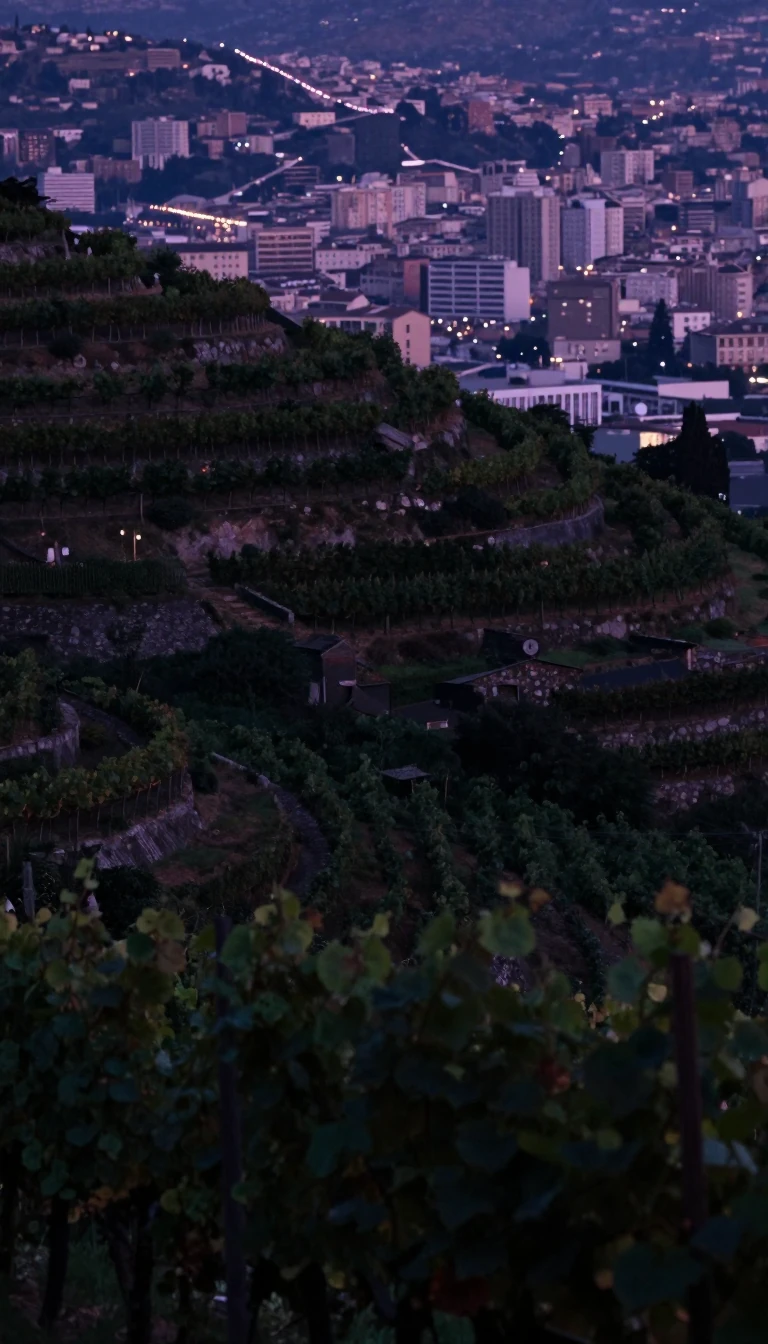
In short: Moldova is a land of fertile soil and vast vineyards, yet its economic journey from a command system to a market economy has been a slow, uneven path. While it produces some of the world's most significant fruit and wine yields, the country continues to navigate the structural scars of its Soviet past.
Following the collapse of the Soviet Union, Moldova underwent a gradual transformation from a centrally planned economy to a market system. This transition was initiated with the privatization of state enterprises through ownership vouchers and the introduction of the Moldovan leu in 1993. However, the shift has been hindered by corruption, a lack of foreign investment, and the economic shock of separating from the integrated Soviet economy. Moldova ranked as one of Europe's least wealthy nations at the start of the 2000s, yet it has maintained consistent yearly gains of 5% to 10% from 2001 onwards.
Agriculture remains the backbone of the nation, supported by fertile Chernozem soil and a mild climate. More than half of the country's land is arable, with a focus on temporary crops and specialized farming. Moldova is a major producer of grapes, ranking between 20th and 25th globally, and is a top-tier producer of sunflower seeds (ranking 10th to 15th). Roughly 25% of the total products from crop cultivation come from the production of vegetables, fruit, and grapes. While private land ownership proliferated after 1995, the country still faces challenges, including high rates of deforestation and a shortage of forest resources.
The industrial landscape has shifted significantly. The manufacturing sector lost much of its scale after 1991, with much of the remaining industry concentrated in the breakaway region of Transdniestria. Today, the economy is heavily weighted toward food processing—including wine, brandy, and oil pressing—and the services sector, which accounts for about one-third of the GDP. Furthermore, the country's health infrastructure faces hurdles; research indicates that while Moldova has established national essential medicines lists, it has struggled to fully embed international selection principles into its pharmaceutical governance due to weak institutional capacity.
Opens the Intellect+ feed with this card first. Swipe up for the next one.
Sources
- Summary by Intellect · source: Moldova - Agriculture, Industry, Trade | Britannica
- Also: Economy of Moldova
- Also: Global norms, local institutions: a controlled comparative case study of WHO essential medicines policy adoption in Eastern Europe.
To cite this card, link to https://intellectplus.co.uk/app/health-economy-of-moldova.
How we source, check and correct cards: Editorial standards.
General information, not professional advice. Spotted an error? Flag the card or see corrections and complaints.
Intellect Plus is a visual educational discovery platform for exploring fascinating facts and ideas. Brain Food, Not Brain Rot. What is Intellect Plus?
