Namibia's high GDP masks a landscape of extreme wealth inequality
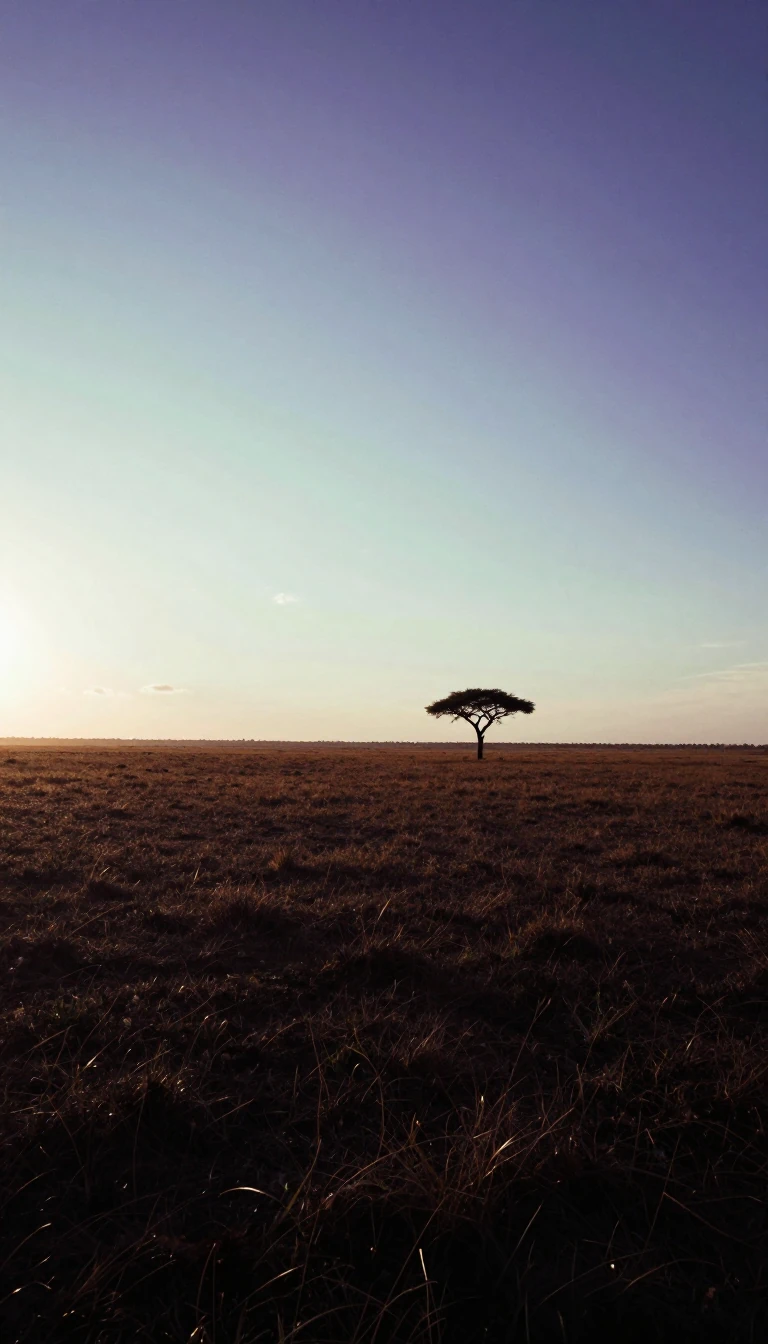
In short: On paper, Namibia is a lower-middle-income success story with per capita wealth significantly above its neighbors. But look closer at the data: only one-sixth of Black Namibians have adequate incomes, while nearly two-thirds of the population lives in abject poverty.
While Namibia's nominal economic status suggests prosperity, it is defined by some of the world's highest levels of inequality. The country holds a Gini coefficient of 59.1 as of 2015—the second-highest in the world, surpassed only by South Africa. This disparity is rooted in historical legacies of colonial rule and apartheid, which continue to shape modern access to land ownership and economic opportunity. Many rural residents currently operate outside of the formal monetary system by engaging in subsistence farming. This economic isolation is compounded by a lack of capital stock and severe world market fluctuations for base metals.
The economy relies heavily on capital-intensive primary commodities. Mining alone accounts for nearly 30 percent of the GDP, yet employs less than 10 percent of the labor force. Similarly, while agriculture contributes only 11 percent to the GDP, it provides employment for 35 percent of the population. The fishing industry remains constrained by depleted stocks despite an exclusive economic zone spanning 200 miles. Meanwhile, the manufacturing sector contributes only about 5 percent to the national GDP.
This mismatch highlights a shrinking productive sector where high-value exports like diamonds (of which Namibia supplies about 30 percent of the world output) and uranium oxide do not translate into broad-based wage growth. Recent shifts have complicated this trajectory. In 2025, Namibia was reclassified from upper- to lower-middle-income status due to slow economic growth coupled with a rapid population rise that exceeded projections by about 15 percent. To counter these trends, the government has launched National Development Plan 6 in July 2025, focusing on fiscal discipline and economic transformation under Namibia's first female president, Netumbo Nandi-Ndaitwah. To stabilize the economy, the Central Bank of Namibia launched its own currency in the mid-1990s to replace the South African rand. Additionally, the government is actively courting foreign investment through a liberal act that guarantees against nationalization.
Opens the Intellect+ feed with this card first. Swipe up for the next one.
Sources
- Summary by Intellect · source: Namibia - Mining, Agriculture, Tourism | Britannica
- Also: Economy of Namibia
- Also: Namibia | World Bank Group
To cite this card, link to https://intellectplus.co.uk/app/health-economy-of-namibia.
How we source, check and correct cards: Editorial standards.
General information, not professional advice. Spotted an error? Flag the card or see corrections and complaints.
Intellect Plus is a visual educational discovery platform for exploring fascinating facts and ideas. Brain Food, Not Brain Rot. What is Intellect Plus?
