Ductless glands that text organs via blood
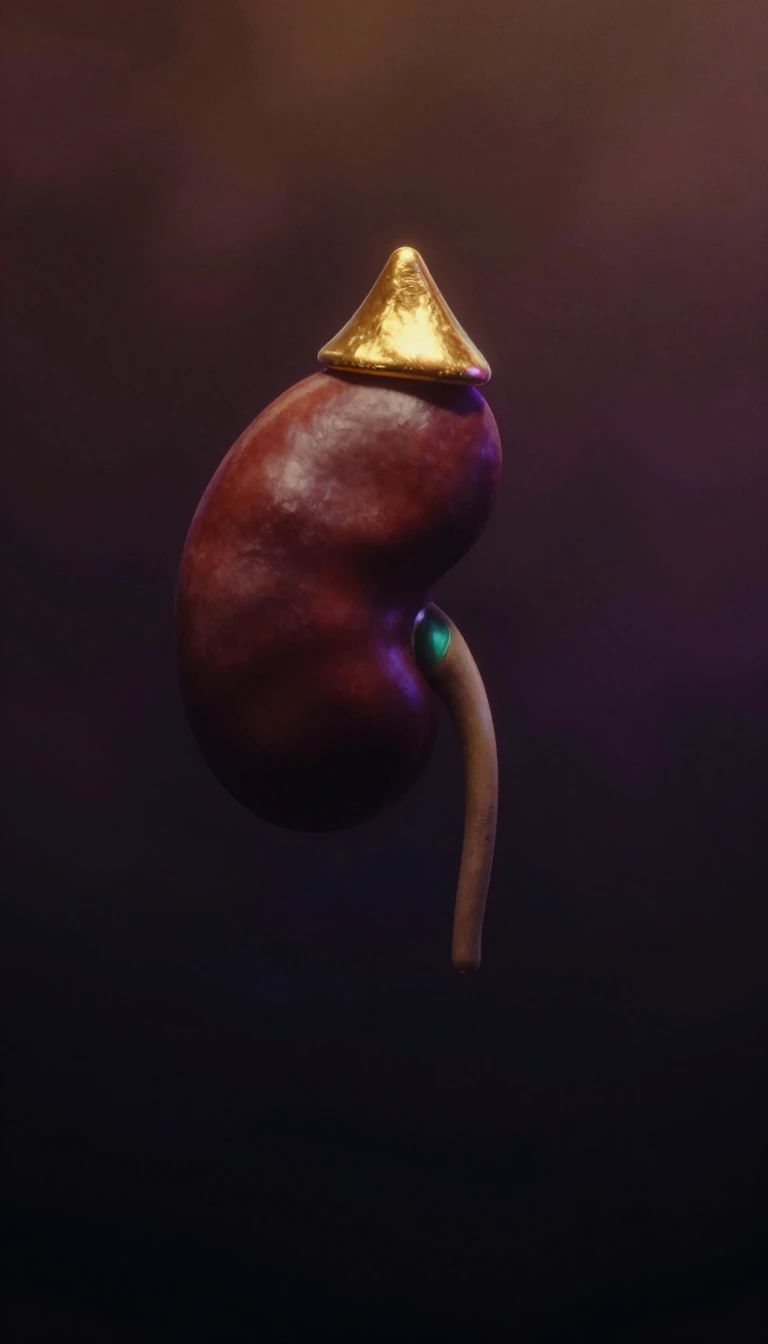
In short: Hormones leave ductless glands, ride the bloodstream, and retune far-off organs through feedback loops—the endocrine idea in one circuit. Vertebrates put a neural overseer in the hypothalamus. Exocrine glands spill outward instead; these vascular messengers keep their traffic inside.
Major human players include thyroid, parathyroid, pituitary, pineal, adrenals, testes, and ovaries; hypothalamus, pancreas, and thymus join with mixed jobs. Axes such as the hypothalamic–pituitary–adrenal cascade chain signals in sequence. Thyroxine, growth hormone, melatonin, testosterone, estrogen, and progesterone are among headline secretions.
Bone, kidney, liver, and other organs carry secondary endocrine roles, blurring the border between “gland” and “tissue with a hormone hobby.” Paracrine chat over short distances is a different game; endocrine messages ride the bloodstream for range.
Endocrine glands have no ducts and a rich blood supply, and they often stockpile hormones in granules or vacuoles until needed. Animals use more than fifty hormones in all. The hypothalamus and pituitary run most of the show: the anterior pituitary releases tropic hormones such as TSH, ACTH, growth hormone, LH and FSH, while the posterior pituitary makes nothing itself but stores and releases antidiuretic hormone and oxytocin manufactured in the hypothalamus. The thyroid's follicular cells answer rising TRH and then TSH by releasing T3 and T4, which set the metabolic pace of every cell. When blood calcium drops, the parathyroids secrete a hormone that acts on bone, kidneys and gut to recover calcium and shed phosphate. The pancreas holds roughly one to two million islets: alpha cells release glucagon to free sugar from liver glycogen, beta cells make up about 60 percent of islet cells, and delta cells, around 5 percent, produce somatostatin. The system forms early in the fetus, with the adrenal cortex identifiable by four weeks of gestation.
Opens the Intellect+ feed with this card first. Swipe up for the next one.
Sources
- Summary by Intellect · source: Endocrine system
- Also: Experimental dermatology — Circadian Clock Regulates Epidermal Endocrine System in Homeostatic Skin Pigmentation. · CC BY
To cite this card, link to https://intellectplus.co.uk/app/health-endocrine-system.
How we source, check and correct cards: Editorial standards.
General information, not professional advice. Spotted an error? Flag the card or see corrections and complaints.
Intellect Plus is a visual educational discovery platform for exploring fascinating facts and ideas. Brain Food, Not Brain Rot. What is Intellect Plus?
Related
More in Anatomy and morphology · More in Health · Latest · A–Z · All topics
