Human brains didn't evolve to meet our modern goals
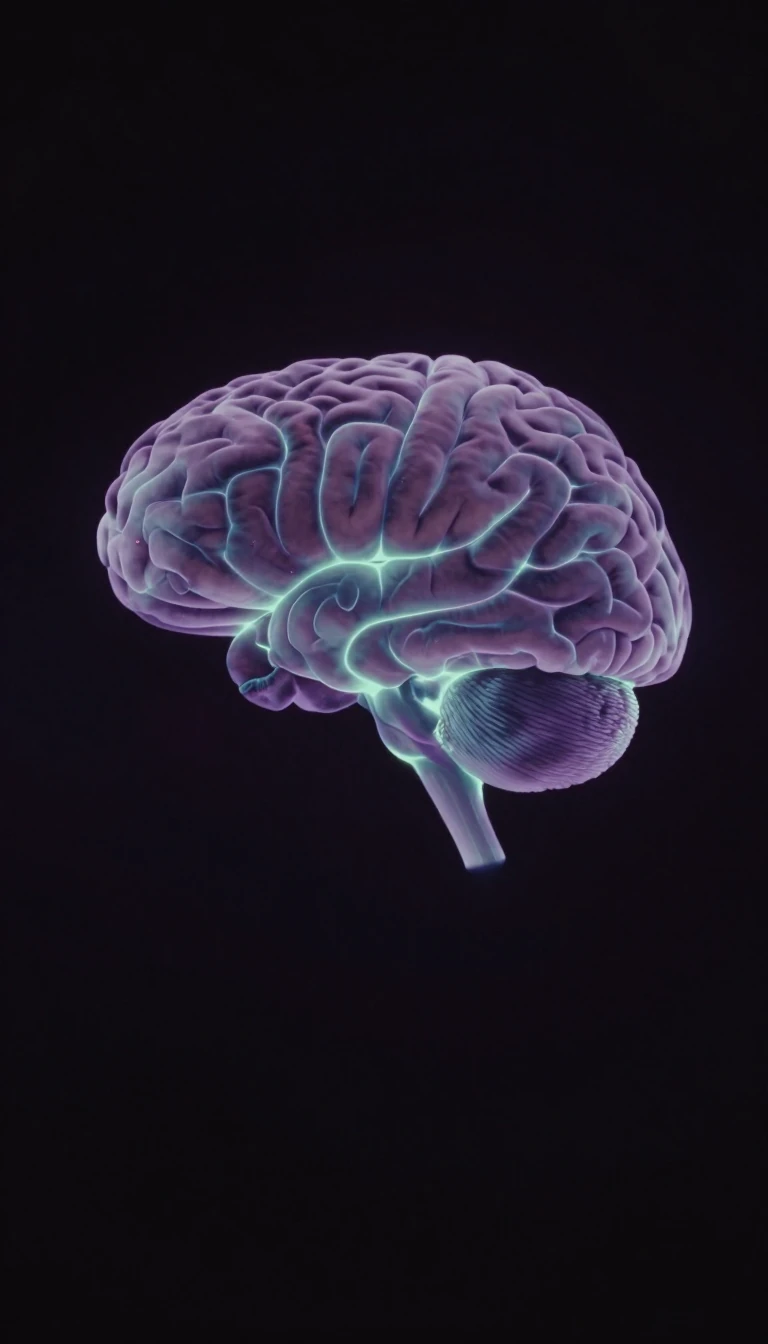
In short: Our complex cognitive abilities are not the result of a pre-planned evolutionary blueprint for modern life. Instead, they are the byproduct of ancestors surviving diverse environments, resulting in a brain plastic enough to adapt to the world we built today.
The human brain is unique among primates due to its massive size and organization, with the neocortex making up about 80% of its structure. This cortex is divided into numerous functionally specialized regions that facilitate abilities unmatched by any other species. However, these traits did not emerge in anticipation of modern culture; they are the result of a long line of ancestors who were successful in surviving and reproducing under varying historical circumstances.
Evolutionary history shows significant shifts in brain architecture. Early mammals possessed small brains with a heavy emphasis on olfaction and very little neocortex. Over time, the neocortex transformed from a single layer of neurons into the six-layered structure seen in all modern mammals today. In primates, early nocturnal ancestors developed expanded visual systems to navigate tropical rainforests, eventually leading to specialized foveal vision and an expansion of the prefrontal cortex as they became diurnal.
The divergence between human and chimpanzee-bonobo lineages occurred roughly 6–8 million years ago, when our ancestors' brains were only about one-third the size of modern humans. Significant expansion occurred during the preceding two million years, particularly within the insular, lateral temporal, posterior parietal, and prefrontal areas. This rapid expansion facilitated the emergence of language and complex cognitive abilities, creating a brain that is highly encephalized—meaning it has undergone a much larger increase in complexity relative to its size than other primates like lemurs.
To reconstruct this history, scientists use comparative studies of extant mammals and vertebrates alongside fossil records. A central principle is parsimony: traits shared by many current members of a group are likely retained from a common ancestor. For example, the corpus callosum—the structure connecting the two cerebral hemispheres—is found in all placental mammals but not in marsupials or monotremes, marking it as a specific evolutionary development in the lineage leading to modern placental species.
Opens the Intellect+ feed with this card first. Swipe up for the next one.
Sources
- Summary by Intellect · source: The Evolution of Brains from Early Mammals to Humans - PMC
- Also: Evolution of the brain
To cite this card, link to https://intellectplus.co.uk/app/health-evolution-of-the-brain.
How we source, check and correct cards: Editorial standards.
General information, not professional advice. Spotted an error? Flag the card or see corrections and complaints.
Intellect Plus is a visual educational discovery platform for exploring fascinating facts and ideas. Brain Food, Not Brain Rot. What is Intellect Plus?
Related
More in Sleep · More in Health · Latest · A–Z · All topics
