The surprising evolutionary history of fins and their role in modern engineering
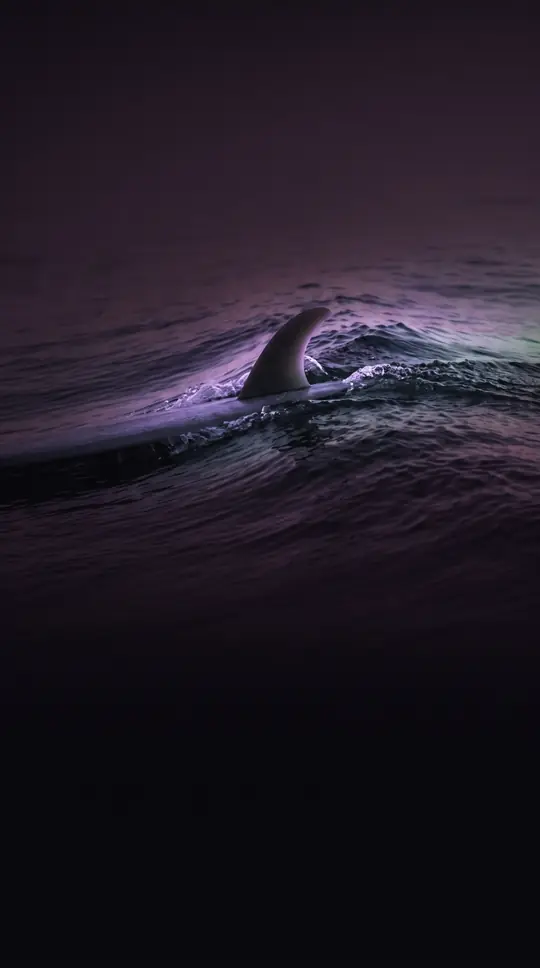
In short: Fins are far more than simple aquatic appendages. They are ancient biological structures that evolved into human limbs, inspired high-efficiency robotic propulsion, and even serve as the blueprint for modern heat transfer. From the depths of the ocean to the cutting edge of robotics, fins define movement and survival.
Fins are thin appendages that function as foils, generating lift or thrust to steer and stabilize motion in fluids. While they first evolved in fish for locomotion, their influence extends to land-dwelling tetrapods. Research suggests that the genetic machinery used to build walking limbs in land animals is largely the same as that found in fish fins. In a remarkable example of convergent evolution, some mammals, such as cetaceans and seals, returned to the sea and independently re-evolved limbs back into swimming fins. Ichthyosaurs, ancient reptiles, even evolved dorsal fins from scratch, as their ancestors lacked the necessary precursors.
The engineering potential of fins has inspired biomimetic research, where scientists attempt to replicate the high propulsive efficiency of fish, which can exceed 90%. Robotic fish, such as those developed by the Institute of Field Robotics or the University of Essex, aim to combine the speed of tuna with the navigation skills of eels. These devices allow researchers to measure forces and kinematic variables that are difficult to isolate in live animals. Beyond propulsion, fins are used in engineering to regulate temperature in heat sinks and to control direction in aircraft and missiles.
Biological research continues to uncover the mechanisms behind fin development. Studies on actinotrichia—collagen structures in fish fins—have shown that specific genes are essential for forming the fin's thin, elongated shape. When these genes are absent, the fin bud transforms into a configuration resembling a limb bud, mirroring patterns seen in amphibians. This suggests that subtle changes in collagen patterning were crucial for the morphological divergence between fins and limbs. Whether through the evolution of pelvic fins into hind legs or the development of specialized flukes in cetaceans, the fin remains a foundational structure in the history of vertebrate life.
Opens the Intellect+ feed with this card first. Swipe up for the next one.
Sources
- Summary by Intellect · source: Fin
- Also: A collagen orientation switch reshapes fin architecture.
To cite this card, link to https://intellectplus.co.uk/app/health-fin.
How we source, check and correct cards: Editorial standards.
General information, not professional advice. Spotted an error? Flag the card or see corrections and complaints.
Intellect Plus is a visual educational discovery platform for exploring fascinating facts and ideas. Brain Food, Not Brain Rot. What is Intellect Plus?
Related
More in Anatomy and morphology · More in Health · Latest · A–Z · All topics
