Fish do not just swim; they master fluid dynamics to navigate the world's oceans.
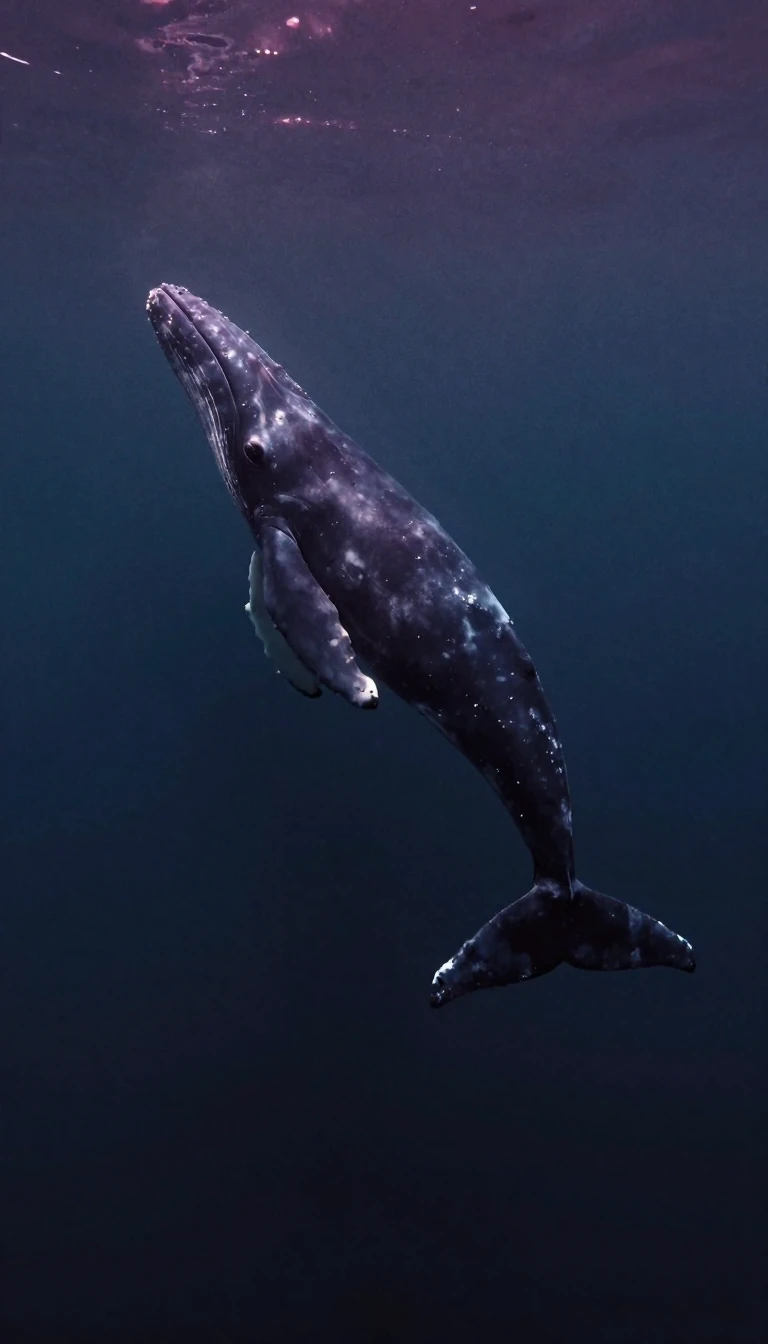
In short: Aquatic locomotion is far more than simple paddling. From microscopic bacteria using rotating flagella to massive whales, organisms manipulate fluid flows to generate thrust and lift. By exploiting vortex interactions and scaling laws, these creatures achieve remarkable efficiency, revealing a sophisticated mechanical mastery that engineers now strive to replicate.
Aquatic locomotion encompasses movement through water, whether by free-swimming or progression along a substrate. While the popular image of a fish is a streamlined, finned creature, reality is far more diverse. Fishes have existed for over 450 million years, evolving into forms ranging from the tiny seahorse to the massive blue marlin. Their structural adaptations are extreme, with some species thriving in thermal springs above 42 °C and others surviving in deep, freezing waters 4,000 metres below the surface.
Propulsion generally falls into two modes: undulatory swimming, where rhythmic waves travel along the body, and oscillatory flapping, where appendages shed vortical structures. Scaling laws reveal distinct regimes for these movements. For swimmers under 1 metre, muscle physiology dictates frequency; above this size, fluid-structure interactions dominate to prevent cavitation. Research shows that schooling fish enhance efficiency through vortex phase matching, a strategy where individuals align their strokes to exploit the wakes of their neighbors, saving energy without needing visual feedback.
Beyond fish, the diversity of aquatic movement is vast. Microorganisms like bacteria utilize rotating flagella powered by electrochemical gradients, while ciliates like Paramecium coordinate thousands of cilia in metachronal rhythms. Other strategies include jet propulsion, used by cephalopods to achieve bursts of speed. Although jetting is relatively inefficient compared to the steady tail propulsion of fish, it remains a vital tool for predator avoidance. These varied mechanisms highlight how life has repeatedly solved the challenge of moving through a dense, fluid medium.
The study of these mechanics, or ichthyology, is increasingly vital for bio-inspired engineering. By analyzing how fish generate thrust and manage drag, scientists are designing autonomous underwater vehicles that mimic natural efficiency. Whether observing the cryptic coloration of a bottom-dweller or the heat-exchange system of the warm-blooded opah, understanding these biological systems provides essential insights into how organisms balance energy expenditure with the physical demands of their environment.
Opens the Intellect+ feed with this card first. Swipe up for the next one.
Sources
- Summary by Intellect · source: Aquatic locomotion | Fish Swimming, Marine Movement & Water Propulsion | Britannica
- Also: Hydrodynamic Mechanics of Aquatic Locomotion | Animal Physiology - Biophysics | Zoology | Biological sciences | Topics | Nature Index
- Also: Aquatic locomotion
To cite this card, link to https://intellectplus.co.uk/app/nature-aquatic-locomotion.
How we source, check and correct cards: Editorial standards.
General information, not professional advice. Spotted an error? Flag the card or see corrections and complaints.
Intellect Plus is a visual educational discovery platform for exploring fascinating facts and ideas. Brain Food, Not Brain Rot. What is Intellect Plus?
Related
More in Zoology · More in Nature · Latest · A–Z · All topics
