Why did folk healers become the original targets of institutional power and suspicion?
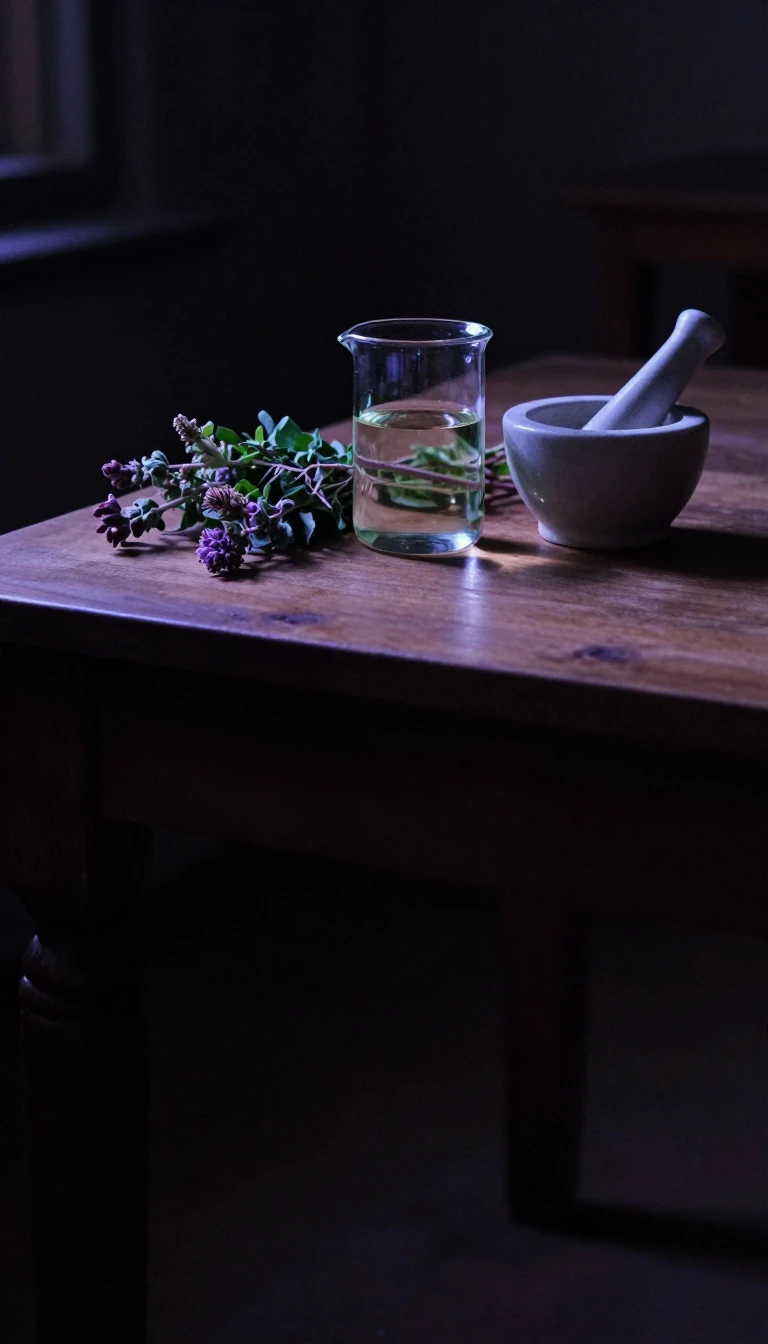
In short: Folk healers have long provided essential care where formal medicine was absent or inaccessible. Yet, by bridging the gap between herbal knowledge and spiritual ritual, these practitioners often found themselves at odds with religious authorities, eventually becoming targets of suspicion and labels of witchcraft for their control over fertility.
Folk healers are unlicensed practitioners who utilize traditional methods, herbal remedies, and the power of suggestion to treat their communities. Historically, the term 'folk' identified healing practices that existed outside the approval of dominant religious institutions. In many rural or marginalized areas, these healers served as the primary, and sometimes only, source of medical care. They were often valued for their deep integration into the social and cultural fabric of their communities, offering a level of personal attention and comfort that formal institutions lacked.
The role of the folk healer was frequently gendered, with women dominating the field due to their historical association with childcare and domestic remedies. In places like Southern Appalachia, 'granny women' served as respected authorities on childbirth and herbal medicine, often working without payment. However, this expertise in women's health—specifically fertility and pregnancy—eventually drew the ire of male-dominated religious institutions. By refusing to cede control over these life stages, folk healers were frequently branded as witches, a connection that also linked them to early forms of abortion care.
Modern research highlights the complexity of these traditions. A scoping review of ritual healers identified 74 distinct specialist terms and over 200 botanical entries used in healing, ranging from pharmacological resources to spiritual mediators. While these practices remain vital in regions with limited access to modern healthcare, they are not without controversy. Studies on oncological care in Pakistan suggest that reliance on traditional, spiritual, or folk methods can sometimes lead to delayed diagnoses and missed opportunities for life-saving medical intervention, even as these practices may improve the quality of life for patients in challenging conditions.
Opens the Intellect+ feed with this card first. Swipe up for the next one.
Sources
- Summary by Intellect · source: Folk healer
- Also: Between Leaves, Prayers, and Healing Hands: A Cross-Regional Scoping Review of Ritual Healers and Plant-Based Community Knowledge.
- Also: Exploring religious, spiritual, traditional, and folk healing practices for oncological disorders.
To cite this card, link to https://intellectplus.co.uk/app/health-folk-healer.
How we source, check and correct cards: Editorial standards.
General information, not professional advice. Spotted an error? Flag the card or see corrections and complaints.
Intellect Plus is a visual educational discovery platform for exploring fascinating facts and ideas. Brain Food, Not Brain Rot. What is Intellect Plus?
Related
More in Medical basics · More in Health · Latest · A–Z · All topics
