In South Africa, 60% of people consult traditional healers for health
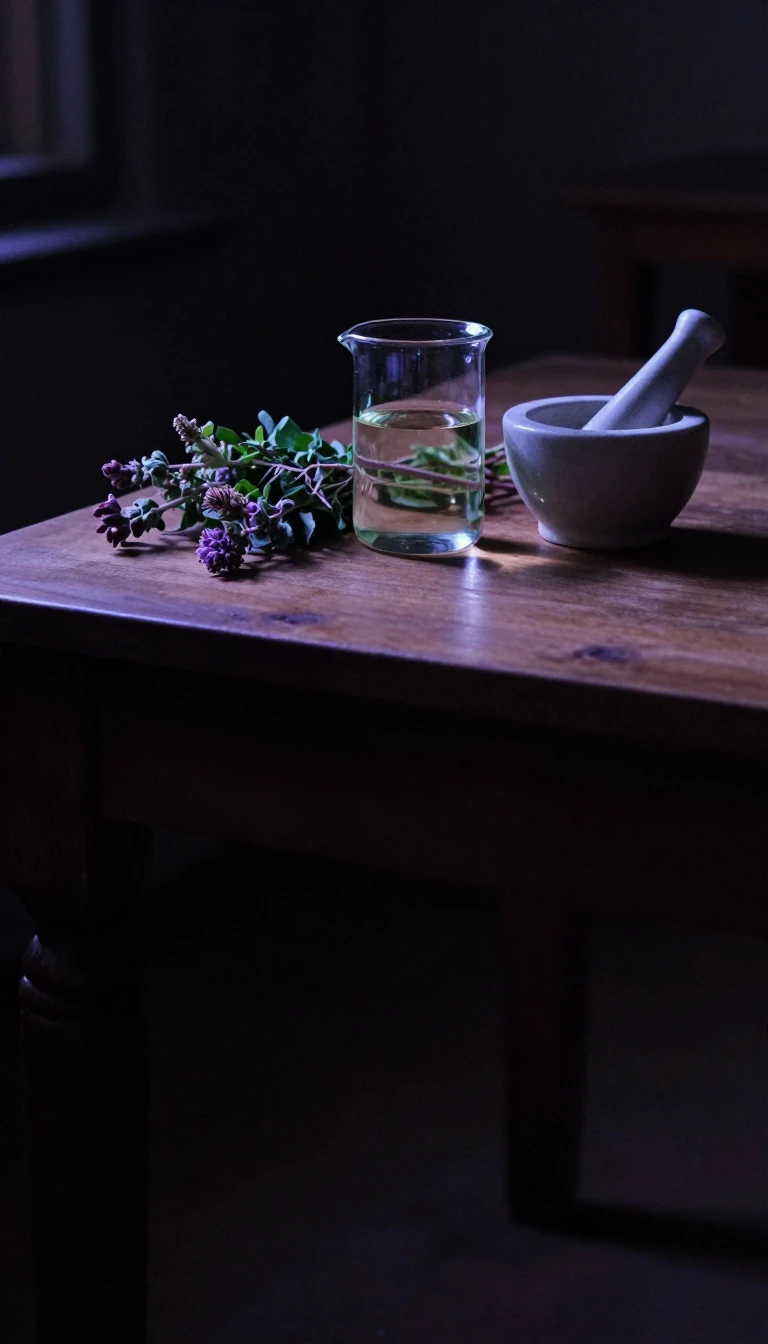
In short: While modern medicine is often viewed as the standard, a vast majority of South Africans turn to practitioners who treat illness as a spiritual and social imbalance. These healers don't just prescribe herbs; they navigate a complex world where ancestors, witchcraft, and ancestral harmony dictate physical well-being.
Traditional healing in Southern Africa is a sophisticated system that addresses the holistic needs of the individual—physical, emotional, and spiritual. In societies like the Nguni, Sotho, and Tsonga, illness is frequently attributed to external factors such as witchcraft, pollution (contact with impure objects), or neglecting ancestral spirits. To restore health, practitioners work to create harmony between the living and the dead. This is often achieved through 'muthi'—medications derived from plants, animals, and minerals imbued with spiritual significance—alongside rituals involving drumming, dancing, chanting, and animal sacrifice.
The practice distinguishes between two primary roles: the inyanga (herbalist) and the sangoma (diviner). While an inyanga focuses on botanical and zoological remedies, a sangoma acts as a medium or shaman who uses divination to identify spiritual causes of affliction. Sangomas may enter trance states through spirit possession, allowing ancestors to communicate directly with patients in indigenous languages. They use symbolic tools like 'throwing bones'—where the landing of items such as animal vertebrae or shells is interpreted by spirits—to diagnose problems ranging from social disharmony to specific thefts.
The scale of this practice is immense: it is estimated that there are 200,000 traditional healers in South Africa, vastly outnumbering the 25,000 bio-medical doctors. Many patients utilize both systems concurrently. The medicinal knowledge is vast; practitioners draw from roughly 3,000 of the region's 30,000 higher plant species. Some specific treatments include 'phalaza' (self-induced vomiting with herbal infusions), 'futha' (inhaling medicinal steam), and 'ukugcaba' (applying powders to small skin cuts). This system represents a deeply rooted philosophy where the human body is seen as a battleground for spiritual conflicts that require both physical and metaphysical intervention.
Modernity has complicated these roles. Colonialism and urbanization have blurred the lines between inyanga and sangoma practices, with many healers now alternating between dispensing remedies and performing divination. Furthermore, some cultural terms once used to describe traditional 'possession' states have been identified by researchers as descriptions of schizophrenia, highlighting a complex intersection between indigenous belief systems and modern psychiatric understanding.
Opens the Intellect+ feed with this card first. Swipe up for the next one.
Sources
- Summary by Intellect · source: Traditional healers of Southern Africa
To cite this card, link to https://intellectplus.co.uk/app/health-traditional-healers-of-southern-africa.
How we source, check and correct cards: Editorial standards.
General information, not professional advice. Spotted an error? Flag the card or see corrections and complaints.
Intellect Plus is a visual educational discovery platform for exploring fascinating facts and ideas. Brain Food, Not Brain Rot. What is Intellect Plus?
Related
More in Nutrition · More in Health · Latest · A–Z · All topics
