An infarction is more than just a heart attack; it is tissue death everywhere.
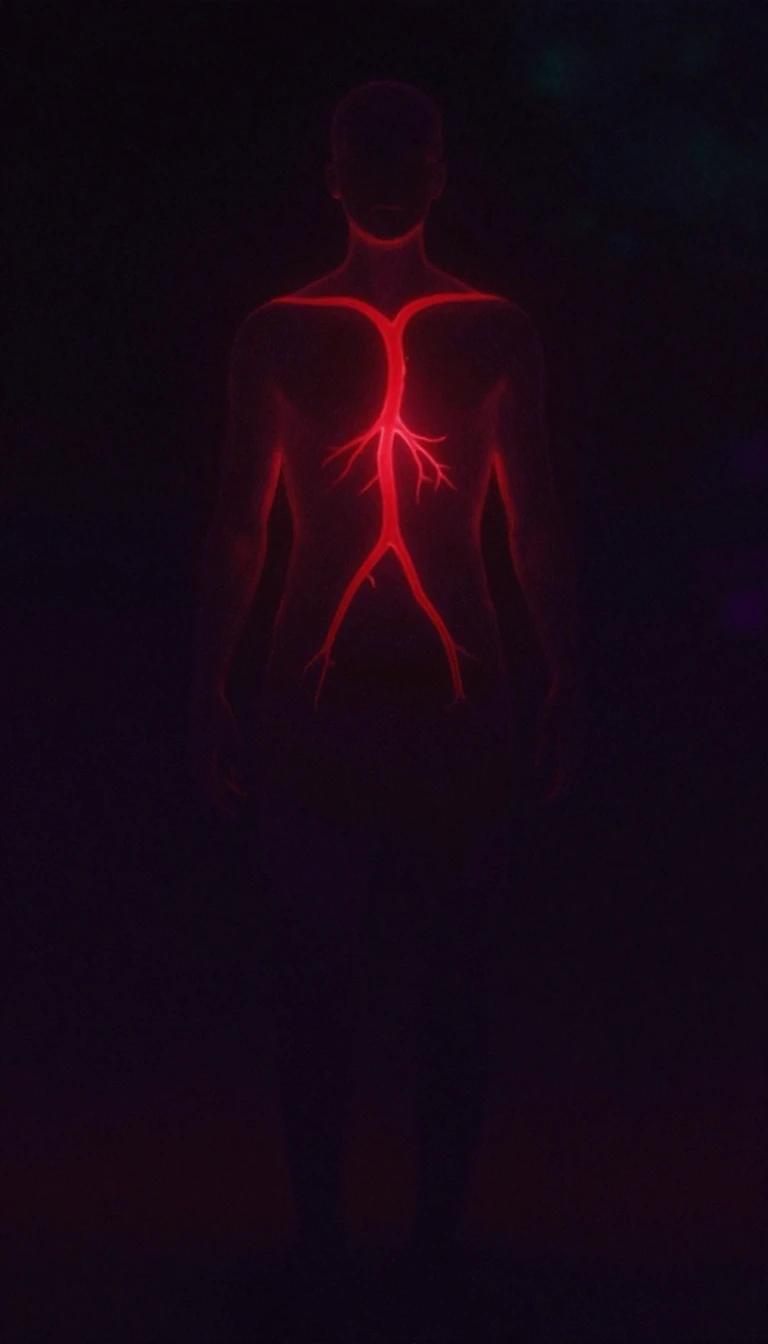
In short: We often equate infarction with heart attacks, but the term describes a broader biological catastrophe: the death of tissue due to a sudden loss of blood supply. From the brain to the bones, when oxygen-rich flow is cut off, the body faces a race against time to prevent permanent necrosis.
At its core, an infarction is the death of tissue, known as necrosis, triggered by prolonged ischemia. This occurs when blood flow—and the essential oxygen and nutrients it carries—is disrupted. While the public most commonly associates this with myocardial infarction, or a heart attack, the process can affect almost any part of the body, including the lungs, spleen, kidneys, and even bone.
The mechanism of injury varies by organ. In solid organs like the heart, spleen, and kidneys, infarctions are often 'white' or anemic, as the dense tissue limits blood seepage into the necrotic zone. Conversely, 'red' infarctions occur in loose tissues like the lungs or intestines, where blood can collect in the damaged area. The blockage itself can stem from various sources: a blood clot, an atherosclerotic plaque rupture, or even mechanical compression from a tumor or hernia.
The clinical consequences are as diverse as the organs involved. A cerebral infarction, for instance, leads to ischemic stroke, while infarction of the bone results in avascular necrosis, potentially causing the joint to collapse. Even the testicles are vulnerable, often due to torsion. Because each type of infarction presents unique risks—from sudden visual loss in the eye to gangrene in the limbs—treatment must be highly specific to the affected site.
Recognizing the signs of a heart attack remains critical, as it is a life-threatening emergency. Symptoms often include crushing chest pain, shortness of breath, and nausea. While lifestyle changes like maintaining healthy cholesterol and blood pressure can reduce risk, an infarction is fundamentally a failure of supply. Whether it is a coronary artery or a retinal vessel, the underlying reality is the same: without rapid intervention to restore flow, the affected tissue will die.
Opens the Intellect+ feed with this card first. Swipe up for the next one.
Sources
- Summary by Intellect · source: Heart attack
- Also: Infarction
- Also: Infarction | Myocardial, Ischemia, Necrosis | Britannica
To cite this card, link to https://intellectplus.co.uk/app/health-infarction.
How we source, check and correct cards: Editorial standards.
General information, not professional advice. Spotted an error? Flag the card or see corrections and complaints.
Intellect Plus is a visual educational discovery platform for exploring fascinating facts and ideas. Brain Food, Not Brain Rot. What is Intellect Plus?
Related
More in Anatomy and morphology · More in Health · Latest · A–Z · All topics
