Lianas are not a species, but a parasitic growth habit that reshapes entire forests.
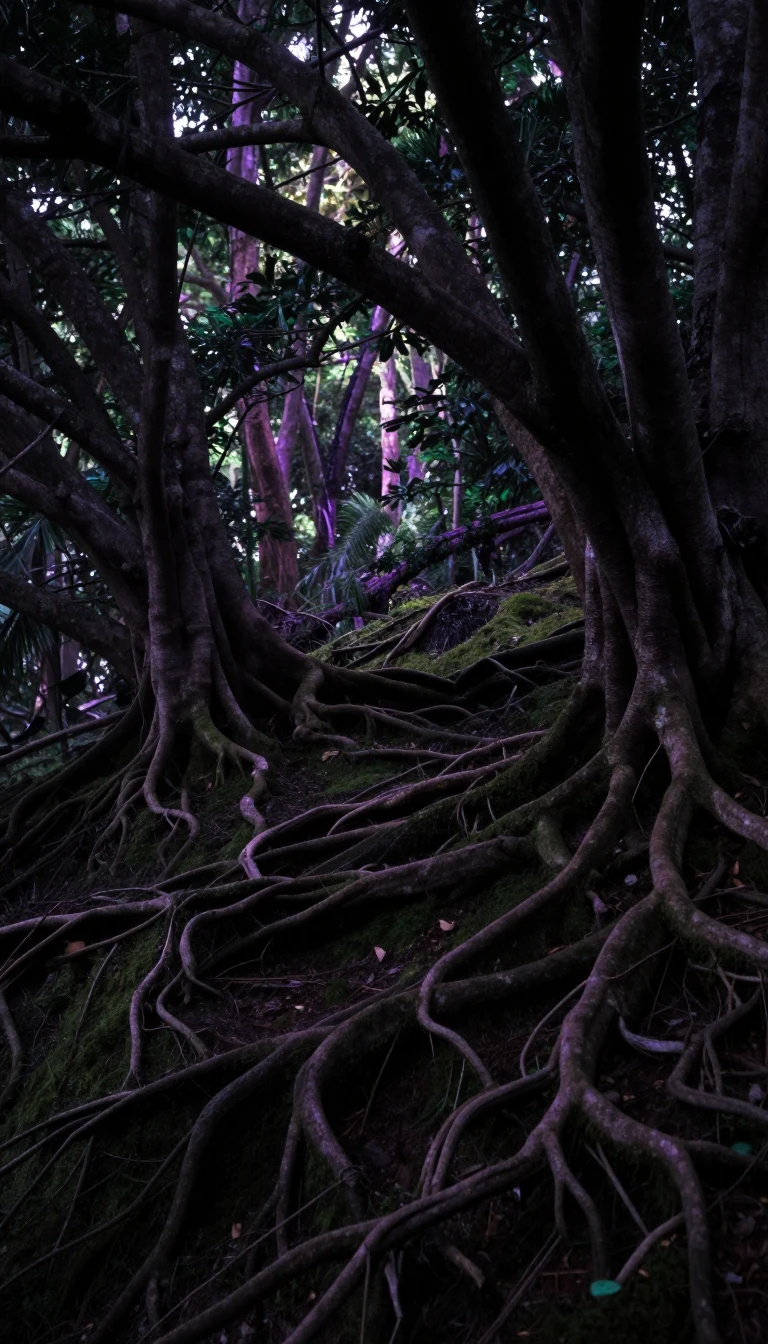
In short: Lianas are woody vines that climb trees to reach sunlight, acting as both forest bridges and silent killers. By strangling hosts and increasing mortality, these plants fundamentally alter forest structure. While they provide vital pathways for arboreal animals, their presence can suppress tree growth and even trigger mass tree falls.
Lianas are defined not by their taxonomy, but by their growth habit. Rooted in the soil, these long-stemmed woody vines utilize trees for vertical support to reach the canopy. While characteristic of tropical moist broadleaf forests, they also exist in temperate regions. Their physical structure is unique; unlike trees, which are stiff at the base and flexible at the tips, lianas often possess flexible, ribbon-like stems at their base and stiffer growth elsewhere, allowing them to withstand significant mechanical stress.
The relationship between lianas and their host trees is parasitic. They do not derive nutrients directly from the tree, but their presence imposes a heavy cost. Lianas compete for light and space, causing mechanical abrasion and strangulation. Research indicates that trees infested with lianas have twice the probability of dying compared to those that are free of them. Furthermore, forests without lianas produce 150% more fruit, suggesting that these vines significantly hinder tree reproduction and overall forest regeneration.
Beyond individual trees, lianas influence forest architecture on a grand scale. They act as lateral anchors, which can provide support during high winds but also cause a domino effect where one falling tree pulls down several others connected by the vines. Recent pantropical studies show that liana infestation consistently suppresses tree height, an effect that intensifies with higher temperatures and rainfall seasonality. As climate change progresses, this suppression is expected to increase, potentially altering the fundamental structure of tropical forests globally.
It is important to note that lianas are not universally destructive. They create essential canopy bridges that facilitate the movement of arboreal animals, including lemurs, monkeys, and rodents. In Madagascar, for instance, lemurs show a distinct preference for trees draped in lianas due to the increased mobility these networks provide. This duality—as both a structural hazard to trees and a vital component of forest biodiversity—makes lianas a defining, if complex, element of forest ecosystems.
Opens the Intellect+ feed with this card first. Swipe up for the next one.
Sources
- Summary by Intellect · source: Liana
- Also: Lianas reduce tree height across the tropics
To cite this card, link to https://intellectplus.co.uk/app/health-liana.
How we source, check and correct cards: Editorial standards.
General information, not professional advice. Spotted an error? Flag the card or see corrections and complaints.
Intellect Plus is a visual educational discovery platform for exploring fascinating facts and ideas. Brain Food, Not Brain Rot. What is Intellect Plus?
Related
More in Anatomy and morphology · More in Health · Latest · A–Z · All topics
