The Fagaceae family: Why oaks, beeches, and chestnuts rule the Northern Hemisphere forests
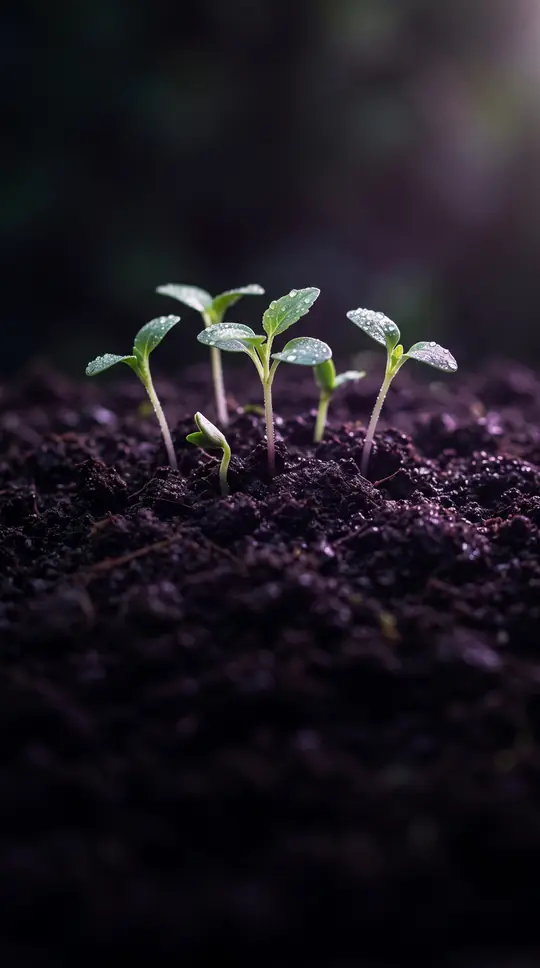
In short: The Fagaceae family comprises roughly 1,000 species, serving as the ecological backbone of temperate forests across North America, Europe, and Asia. From the timber-producing oak to the nut-bearing chestnut, these trees are vital to wildlife and human industry alike, though they now face significant threats from introduced diseases.
The Fagaceae family, which includes oaks, beeches, and chestnuts, is defined by its unique reproductive structures: unisexual flowers appearing as catkins and nuts encased in protective husks. While historically thought to include the Southern Hemisphere genus Nothofagus, modern molecular evidence has reclassified these southern beeches into their own distinct family, Nothofagaceae. Today, the core Fagaceae family consists of eight recognized genera, with the genus Quercus—the oaks—being the most diverse, containing approximately 450 to 600 species.
Ecologically, these trees are titans. In the Northern Hemisphere, they often dominate temperate forests, providing essential food sources like acorns for mammals and birds. Their influence extends to soil health; deciduous species drop leaves that decompose slowly, creating nutrient-rich habitats for insects and fungi. However, this dominance is fragile. Introduced pathogens have caused severe population declines. Chestnut blight has devastated chestnut populations in North America and Europe, while Sudden Oak Death, first recorded in the 1990s, continues to threaten Quercus and Lithocarpus species along the US West Coast.
Beyond their ecological role, Fagaceae species have long been intertwined with human civilization. Their wood is prized for construction, furniture, and cooperage, while their bark and galls have historically provided tannins for ink and leather processing. Some species, like the cork oak, remain economically vital for their bark. Despite the challenges posed by disease and the taxonomic confusion caused by frequent natural hybridization, these trees remain central to both the natural landscape and the human economy, standing as a testament to the resilience of temperate forest ecosystems.
Opens the Intellect+ feed with this card first. Swipe up for the next one.
Sources
- Summary by Intellect · source: List of plants in the family Fagaceae | oak, beech & chestnut | Britannica
- Also: Fagaceae
To cite this card, link to https://intellectplus.co.uk/app/gardening-fagaceae.
How we source, check and correct cards: Editorial standards.
General information, not professional advice. Spotted an error? Flag the card or see corrections and complaints.
Intellect Plus is a visual educational discovery platform for exploring fascinating facts and ideas. Brain Food, Not Brain Rot. What is Intellect Plus?
Related
More in Plants · More in Gardening · Latest · A–Z · All topics
