Your body has a secondary circulatory system that works without a central pump
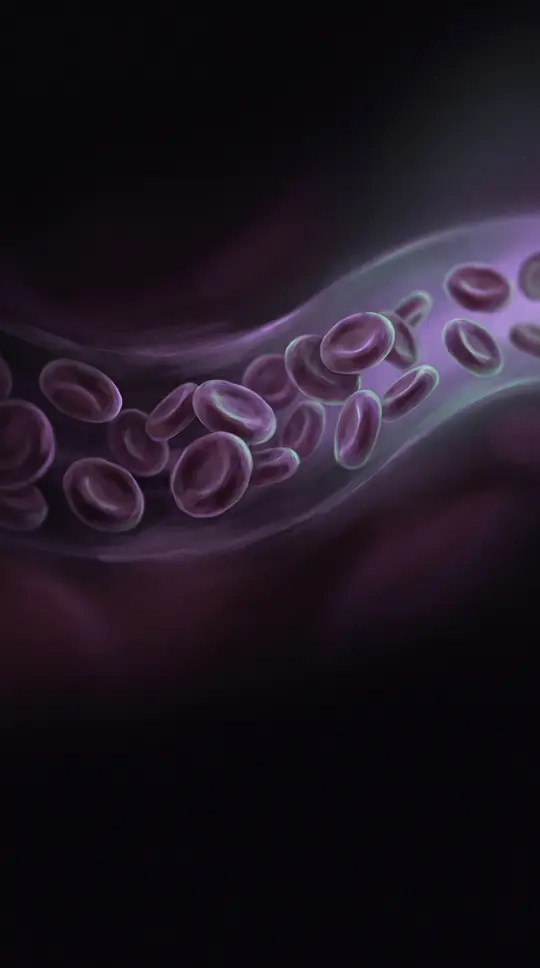
In short: While your heart tirelessly drives blood through your veins, a silent, secondary network of tubes performs the vital task of fluid management. This lymphatic system collects three liters of interstitial fluid daily, filters out waste, and returns it to your bloodstream, acting as a critical guardian of your internal health.
The lymphatic system functions as an essential partner to the cardiovascular system, maintaining fluid homeostasis by collecting excess plasma that escapes from blood capillaries. Every day, approximately 20 liters of plasma exit the blood vessels to nourish tissues, but only 17 liters return directly. The remaining three liters are absorbed by lymphatic capillaries, which transform this fluid into lymph. Unlike the closed-loop blood system, this network lacks a central pump. Instead, lymph moves through a series of vessels using peristalsis, skeletal muscle compression, and arterial pulsation, all supported by a sophisticated system of valves that prevent backflow.
Beyond fluid transport, this network is a cornerstone of immune surveillance. Lymphatic vessels carry lymph through lymph nodes, where immune cells like lymphocytes identify and neutralize pathogens, including bacteria, viruses, and fungi. Furthermore, the system is crucial for nutrient absorption, specifically transporting large fat molecules from the intestines that are too bulky to enter the blood capillaries directly. This specialized transport mechanism ensures that essential nutrients reach the bloodstream despite their size, highlighting the system's multifaceted role in human physiology.
The development of these vessels, known as lymphangiogenesis, is a complex process involving heterogeneous cell populations. Recent research has uncovered that abnormal lymphangiogenesis is linked to various pathologies, including severe dengue. In such cases, viral proteins like NS1 can disrupt lymphatic endothelial cell junctions, leading to hyperpermeability and impaired drainage. This discovery provides a new perspective on why fluid accumulation becomes life-threatening in severe infections. By targeting these lymphangiogenic pathways, scientists are exploring innovative therapeutic strategies to modulate disease progression and restore proper fluid balance in the human body.
Opens the Intellect+ feed with this card first. Swipe up for the next one.
Sources
- Summary by Intellect · source: Lymphatic vessel: Origin, heterogeneity, biological functions and therapeutic targets - Signal Transduction and Targeted Therapy
- Also: Lymphatic vessel dysfunction contributes to severe dengue pathogenesis
- Also: What Does the Lymphatic System Do? Learn Its Function & How It Works
- Also: Lymphatic vessel
To cite this card, link to https://intellectplus.co.uk/app/health-lymphatic-vessel.
How we source, check and correct cards: Editorial standards.
General information, not professional advice. Spotted an error? Flag the card or see corrections and complaints.
Intellect Plus is a visual educational discovery platform for exploring fascinating facts and ideas. Brain Food, Not Brain Rot. What is Intellect Plus?
Related
More in Anatomy and morphology · More in Health · Latest · A–Z · All topics
