The maxilla is a complex, shape-shifting bone that anchors your entire upper face.
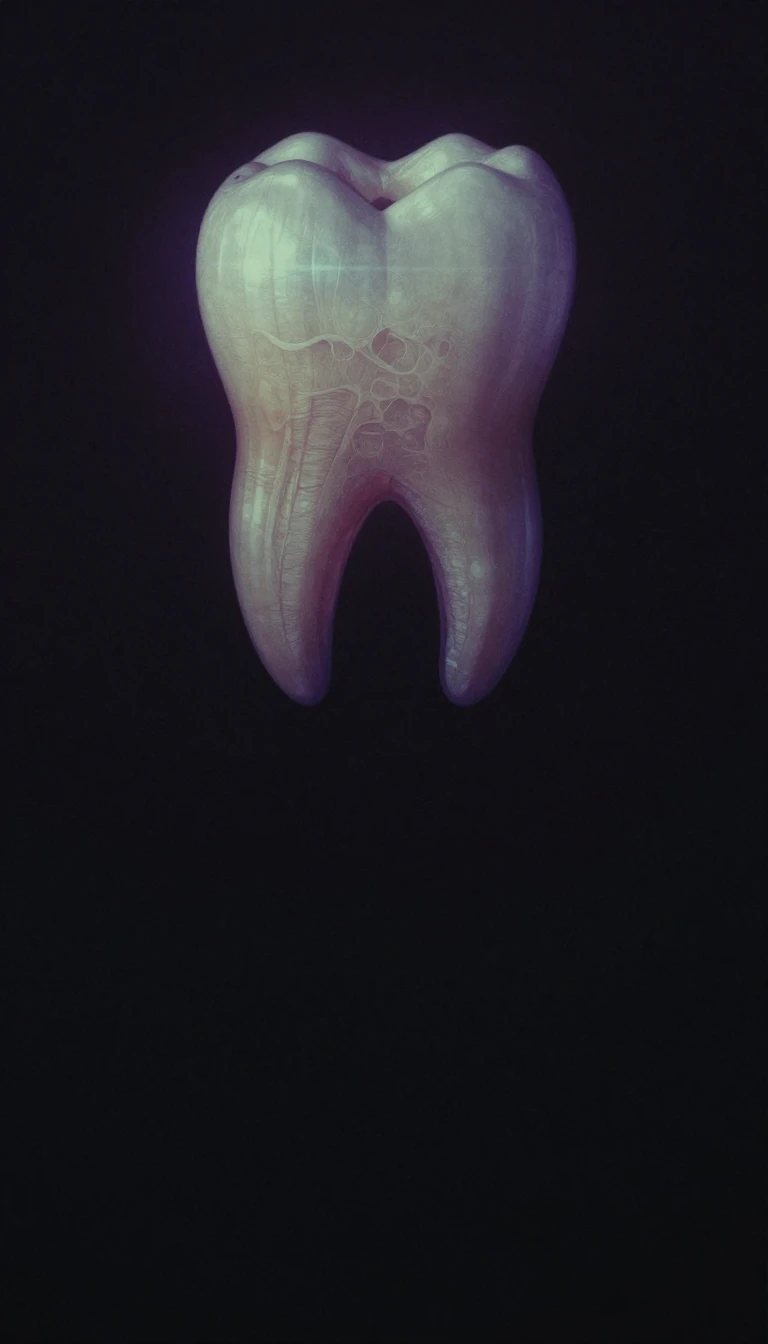
In short: More than just a jawbone, the maxilla is a pair of fused bones that shape your nose, palate, and eye sockets. It undergoes dramatic structural changes from birth to adulthood, evolving from a porous, shallow structure into a robust foundation for your teeth and the complex architecture of your skull.
The maxilla is a paired bone that fuses at the intermaxillary suture to form the upper jaw. Its development is a masterclass in biological engineering. In humans, it begins ossifying during the sixth week of prenatal development. While early 20th-century anatomists debated whether it formed from six distinct centers, modern consensus suggests it primarily arises from two: the maxilla proper and the premaxilla. These components unite by the third month of gestation, though the suture line on the palate can remain visible until middle age.
The bone's geometry changes significantly as we age. At birth, the maxilla is wider than it is tall, with the tooth sockets positioned remarkably close to the floor of the orbit. As the maxillary sinus expands and the alveolar process—the part of the bone that holds the teeth—develops, the vertical dimension becomes the dominant feature in adulthood. Research using micro-computed tomography shows that the internal micro-architecture also shifts, moving from a highly porous state to a denser, more structured form as the individual matures and the permanent dentition erupts.
Beyond its role in chewing, the maxilla is a structural hub, articulating with nine other bones, including the zygomatic (cheek) and palatine bones. It defines the boundaries of the nasal cavity and contributes to the formation of critical fossae and fissures. Because it is central to facial structure, it is a common site for fractures following trauma. However, it can also be the site of rare, complex pathologies, such as primary tuberculous osteomyelitis, which can mimic common dental infections and require advanced molecular testing to diagnose correctly.
Opens the Intellect+ feed with this card first. Swipe up for the next one.
Sources
- Summary by Intellect · source: Maxilla
- Also: Evaluating the internal architecture of the postnatal human maxilla across the stages of tooth development and eruption.
To cite this card, link to https://intellectplus.co.uk/app/health-maxilla.
How we source, check and correct cards: Editorial standards.
General information, not professional advice. Spotted an error? Flag the card or see corrections and complaints.
Intellect Plus is a visual educational discovery platform for exploring fascinating facts and ideas. Brain Food, Not Brain Rot. What is Intellect Plus?
Related
More in Anatomy and morphology · More in Health · Latest · A–Z · All topics
