The brain's motor cortex is not just a simple command center for muscle movement.
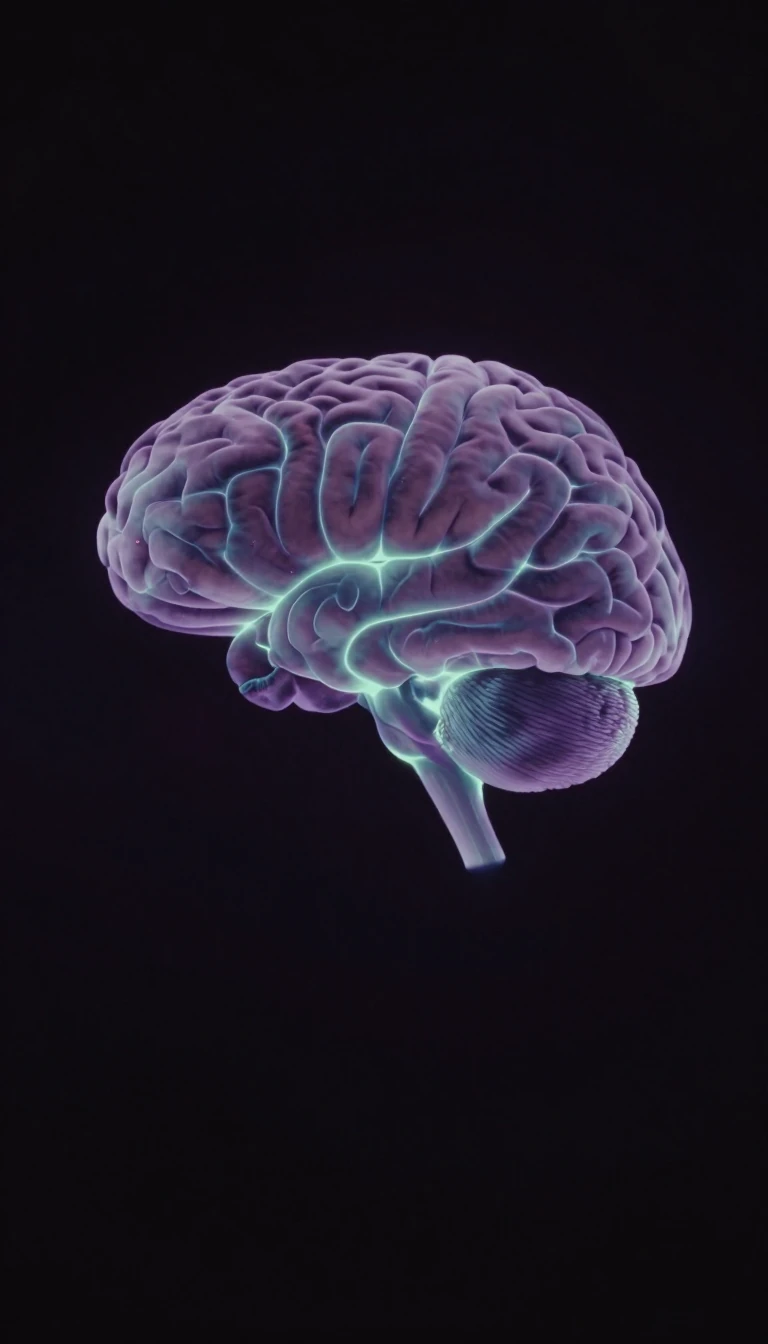
In short: For a century, we believed the motor cortex was a linear map of the body. New research reveals a more complex, concentric organization that includes a hidden network for planning and cognition, challenging our understanding of how the mind and body coordinate to execute our daily actions.
The primary motor cortex has long been depicted as a straightforward command center. A century ago, electrical stimulation studies during surgery produced a famous 'body map'—a linear continuum where specific regions corresponded to body parts from head to toe. This model suggested a simple, orderly progression: face-related movements at one end, followed by hands and feet. However, recent high-resolution imaging using precision fMRI has challenged this long-standing view.
Researchers at Washington University in St. Louis, led by Evan Gordon and Nico Dosenbach, re-examined the motor cortex in seven healthy adults. Their findings, published in April 2023, suggest that the motor cortex is organized in concentric rings rather than a linear row. Crucially, they identified three thin, non-motor regions interspersed between the movement-controlling areas. These regions, which they named the somato-cognitive action network (SCAN), are linked to goal-oriented action, arousal, and pain.
This discovery suggests the motor cortex functions as two interactive systems: one for precise movement control and another for coordinating complex, goal-directed behavior. This dual-system architecture helps explain how the brain integrates physical movement with higher-level cognitive functions. Furthermore, this organization appears to be a shared feature across primates, though human cortical maps remain distinct due to the brain's complex, convoluted structure, which separates the motor area from the sensory area via the central sulcus.
Understanding these mechanisms is vital, as the motor cortex is also implicated in age-related decline. Studies in mice have shown that hyperexcitability in layer V pyramidal neurons correlates with neuromuscular dysfunction, accounting for 75% of the age effect on physical performance. By mapping these connections, scientists are gaining new insights into how the brain's structural organization influences both our physical dexterity and our cognitive control over time.
Opens the Intellect+ feed with this card first. Swipe up for the next one.
Sources
- Summary by Intellect · source: Motor cortex | anatomy | Britannica
- Also: New insights into the brain's motor cortex
- Also: Motor cortex
- Also: Motor Cortex Hyperexcitability Is Coupled to Neuromuscular Dysfunction in Aged Mice.
To cite this card, link to https://intellectplus.co.uk/app/health-motor-cortex.
How we source, check and correct cards: Editorial standards.
General information, not professional advice. Spotted an error? Flag the card or see corrections and complaints.
Intellect Plus is a visual educational discovery platform for exploring fascinating facts and ideas. Brain Food, Not Brain Rot. What is Intellect Plus?
Related
More in Anatomy and morphology · More in Health · Latest · A–Z · All topics
