Morphology is the study of biological form, from macroscopic structures to molecular complexity.
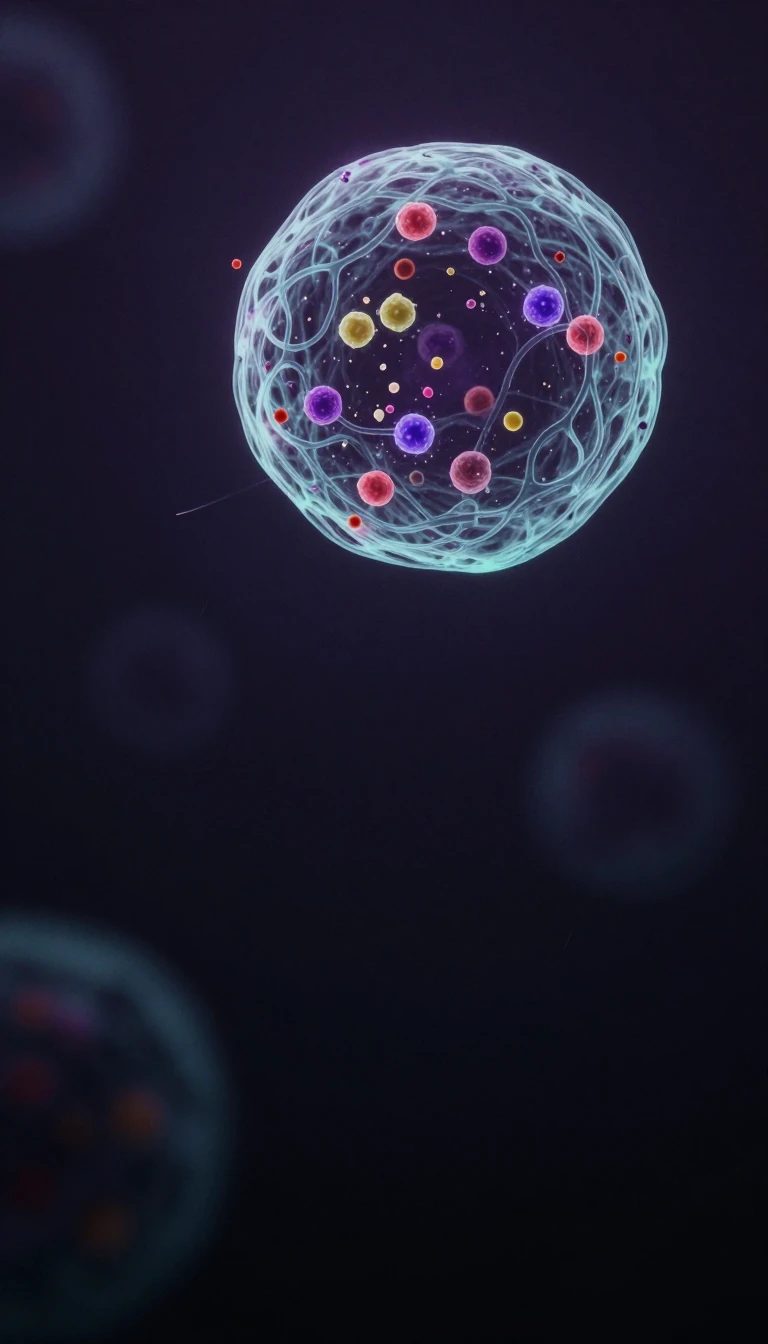
In short: Morphology examines the size, shape, and structure of all living things. While once limited to the bones and muscles visible to the naked eye, modern morphology now uses electron microscopy and advanced physical techniques to map the intricate architecture of cells and complex molecules like DNA and hemoglobin.
At its core, morphology is the study of biological form and the arrangement of constituent parts. Although often used synonymously with anatomy—which typically focuses on detailed gross or microscopic structures—morphology is traditionally contrasted with physiology, the study of function. However, because structure and function are deeply intertwined, this distinction is often artificial. The field spans a vast range of scales, from the macroscopic features of plants and animals to the molecular basis of cellular life.
The history of morphology reflects the evolution of human observation. Prehistoric cave paintings in France and Spain suggest an early appreciation for animal form, while figures like Aristotle provided detailed descriptions of species in his Historia animalium. By the 16th century, Andreas Vesalius challenged the long-standing, error-prone anatomical authority of Galen through his 1543 work, De humani corporis fabrica. Later, the invention of the microscope allowed pioneers like Marcello Malpighi and Antonie van Leeuwenhoek to reveal hidden worlds, such as capillaries and red blood cells, transforming the field into a rigorous science.
In the 19th century, comparative morphology emerged through the work of John Hunter, Georges Cuvier, and Sir Richard Owen. Owen introduced the vital concepts of homology—intrinsic structural similarity—and analogy—superficial functional similarity. These ideas eventually provided critical evidence for evolutionary theory, despite Owen’s own resistance to the concept of common descent. Today, the field continues to advance through technologies like deep learning, which can analyze tissue morphology in cancer patients to predict survival and drug response, proving that understanding form remains essential for modern medicine and pathology.
Opens the Intellect+ feed with this card first. Swipe up for the next one.
Sources
- Summary by Intellect · source: Morphology | Definition & Examples | Britannica
- Also: Deep learning-based H&E-derived risk scores in colorectal cancer: associations with tumour morphology, biology, and predicted drug response.
- Also: Morphology (biology)
To cite this card, link to https://intellectplus.co.uk/app/health-morphology-biology.
How we source, check and correct cards: Editorial standards.
General information, not professional advice. Spotted an error? Flag the card or see corrections and complaints.
Intellect Plus is a visual educational discovery platform for exploring fascinating facts and ideas. Brain Food, Not Brain Rot. What is Intellect Plus?
Related
More in Anatomy and morphology · More in Health · Latest · A–Z · All topics
