The Neanderthal type specimen was once dismissed as a Russian soldier with rickets.
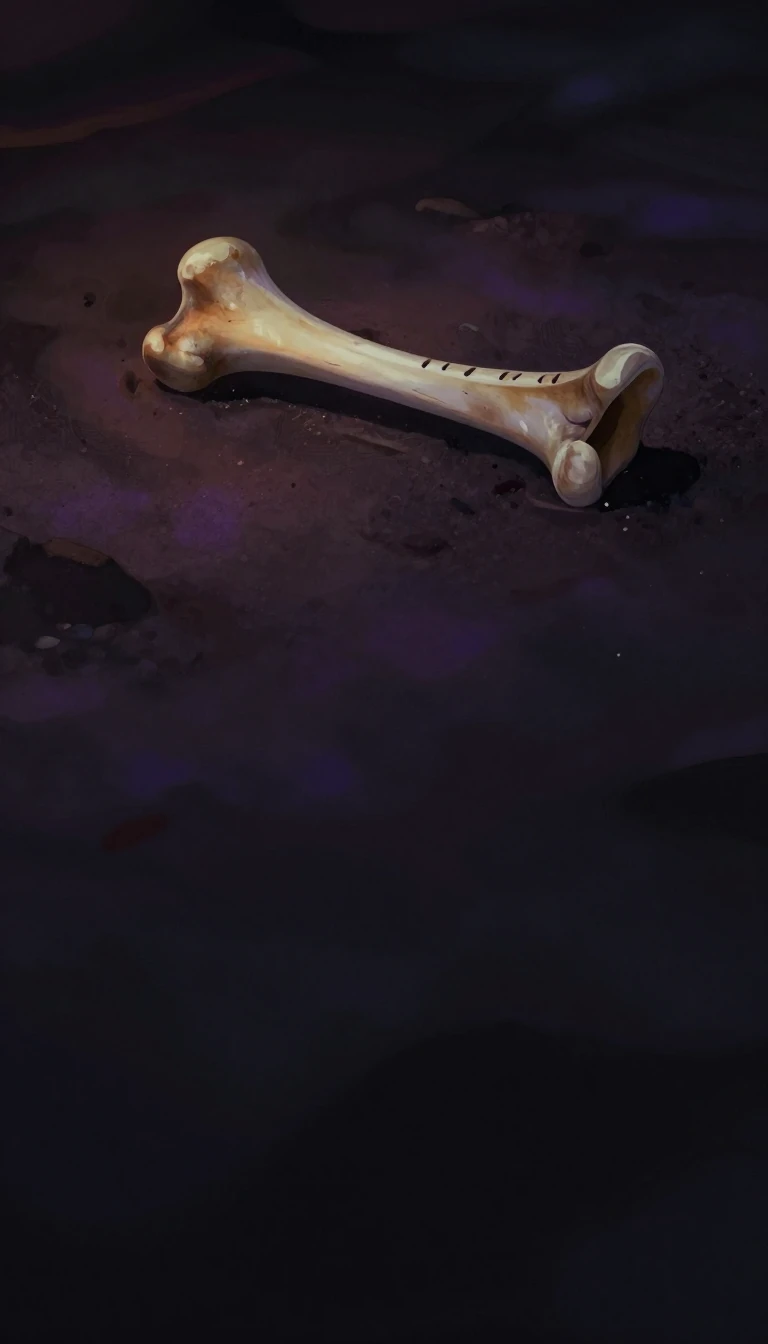
In short: Discovered in 1856, the first recognized Neanderthal fossil sparked a fierce scientific debate. While some saw an ancient, distinct human relative, others insisted the bones belonged to a modern human suffering from disease. It took decades of discovery and analysis to reveal the truth about our complex evolutionary history.
In August 1856, workers in Germany’s Neander Valley unearthed fossilized bones while mining limestone. Initially discarded as debris, the remains—including a skullcap, ribs, and limb bones—were eventually secured by teacher Johann Carl Fuhlrott. Anatomist Hermann Schaaffhausen recognized the bones as belonging to an ancient, non-modern human, noting their massive structure, low forehead, and prominent brow ridges. However, this interpretation faced intense skepticism. August Franz Josef Karl Mayer, a prominent anatomist, famously argued the skeleton belonged to a Russian Cossack who had fought against Napoleon, claiming the bone deformities were caused by rickets and a life spent on horseback.
The debate over the fossil’s identity reflected the broader 19th-century struggle to understand human origins before the widespread acceptance of evolutionary theory. While William King formally proposed the name Homo neanderthalensis in 1864, it was not until 1886, following the discovery of two nearly complete skeletons in Belgium’s Spy Cave, that the scientific community finally accepted Neanderthals as a distinct species. This shift was hindered by influential figures like Rudolf Virchow, who opposed evolutionary thought for political reasons, and by the initial lack of comparative evidence that led many to view the fossils as merely pathological variations of modern humans.
Modern analysis has transformed our understanding of the type specimen, Neanderthal 1. Radiocarbon dating places the individual at approximately 39,900 years old, and 21st-century pathology reports have identified a lifetime of trauma, including a healed arm fracture, sinus inflammation, and a metastatic bone disease. Beyond morphology, genetic research has revealed that Neanderthal-derived variants continue to influence modern health, such as a variant linked to Primary Biliary Cholangitis that became more common during the Bronze Age. These findings underscore that Neanderthals were not merely a historical curiosity, but a genetically distinct population whose legacy persists in our own biology.
Opens the Intellect+ feed with this card first. Swipe up for the next one.
Sources
- Summary by Intellect · source: Neanderthal 1
- Also: A Genetic Risk Variant Associated With the Risk of Primary Biliary Cholangitis Is Inherited From Neanderthals.
To cite this card, link to https://intellectplus.co.uk/app/health-neanderthal-1.
How we source, check and correct cards: Editorial standards.
General information, not professional advice. Spotted an error? Flag the card or see corrections and complaints.
Intellect Plus is a visual educational discovery platform for exploring fascinating facts and ideas. Brain Food, Not Brain Rot. What is Intellect Plus?
Related
More in Anatomy and morphology · More in Health · Latest · A–Z · All topics
