Most garden plants do not need fertilizer, and adding it can actually cause harm.
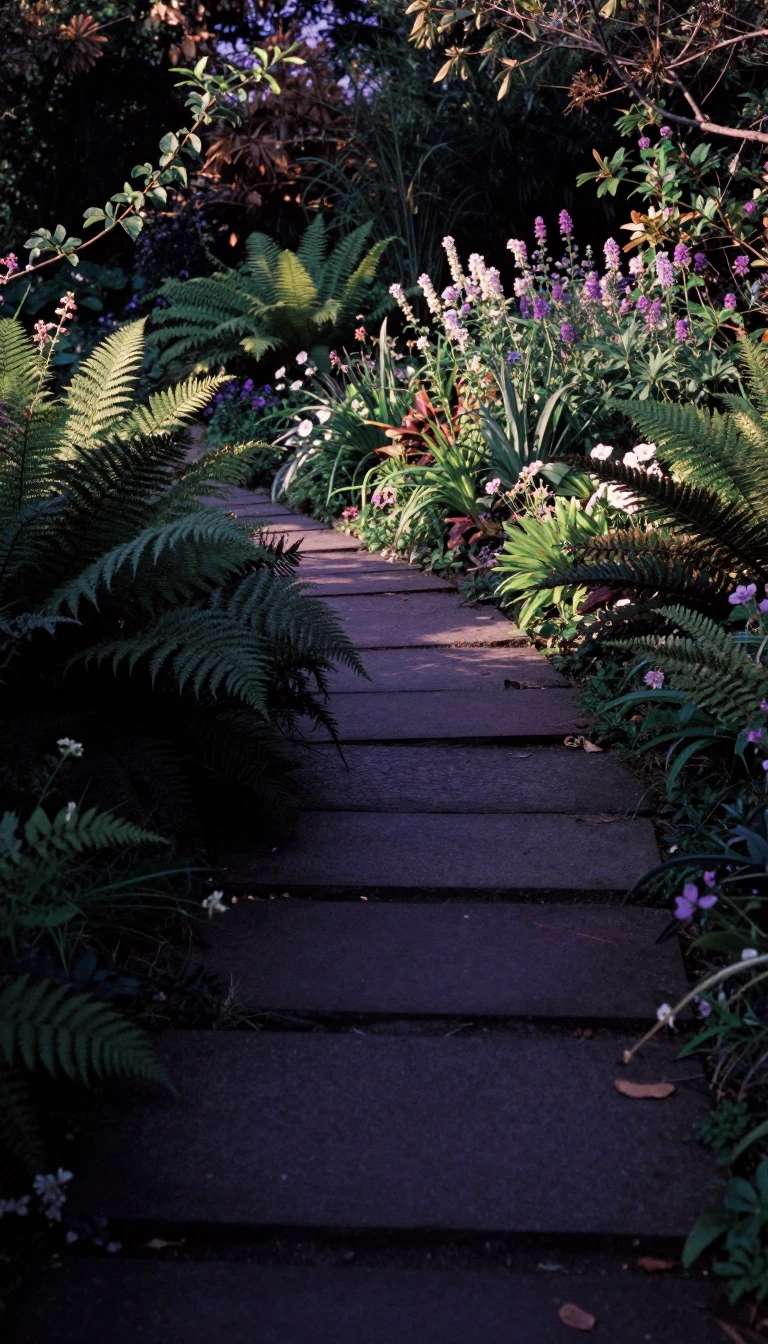
In short: While many gardeners assume plants are constantly hungry, the truth is that established trees and shrubs rarely require supplemental feeding. Over-fertilizing risks water pollution, encourages weak growth, and leaves plants vulnerable to pests. Instead of reaching for a bag of chemicals, focus on building healthy, nutrient-rich soil naturally.
Plants are remarkably self-sufficient, synthesizing their own organic materials by trapping solar energy to convert carbon dioxide and water into tissue. While they require inorganic salts—such as nitrogen, phosphorus, and potassium—these are typically abundant in the soil. Soil nutrients originate from the gradual breakdown of rocky material and the decomposition of organic matter, a process driven by millions of microorganisms that release essential mineral salts.
When gardeners intervene, they often do more harm than good. Excessive nitrogen-rich fertilizer forces lush, soft growth that is less resilient to harsh weather and more susceptible to disease. Furthermore, applying fertilizer late in the season prevents new growth from hardening before winter, leading to cold damage. Even organic fertilizers can cause water pollution if they leach out of the soil. For most home gardens, the most sustainable approach is to apply a 5-8cm layer of organic mulch, such as homemade compost or well-rotted manure, which releases nutrients slowly as it breaks down.
There are exceptions where targeted feeding is beneficial, such as for seedlings, container plants with limited root space, or crops showing specific signs of nutrient deficiency like discolored leaves. In these instances, gardeners should prioritize locally produced or homemade organic feeds. By understanding that plants are part of a complex, symbiotic ecosystem—often aided by beneficial mycorrhizal fungi and nitrogen-fixing bacteria—gardeners can move away from the cycle of constant fertilization and toward a more balanced, low-impact approach to cultivation.
Opens the Intellect+ feed with this card first. Swipe up for the next one.
Sources
- Summary by Intellect · source: How to Feed Plants | RHS Advice
- Also: Nutrition - Photosynthesis, Macronutrients, Micronutrients | Britannica
- Also: Plant nutrition
To cite this card, link to https://intellectplus.co.uk/app/health-plant-nutrition.
How we source, check and correct cards: Editorial standards.
General information, not professional advice. Spotted an error? Flag the card or see corrections and complaints.
Intellect Plus is a visual educational discovery platform for exploring fascinating facts and ideas. Brain Food, Not Brain Rot. What is Intellect Plus?
Related
More in Anatomy and morphology · More in Health · Latest · A–Z · All topics
