The hidden engineering of feathers: from dinosaur evolution to high-tech sorting
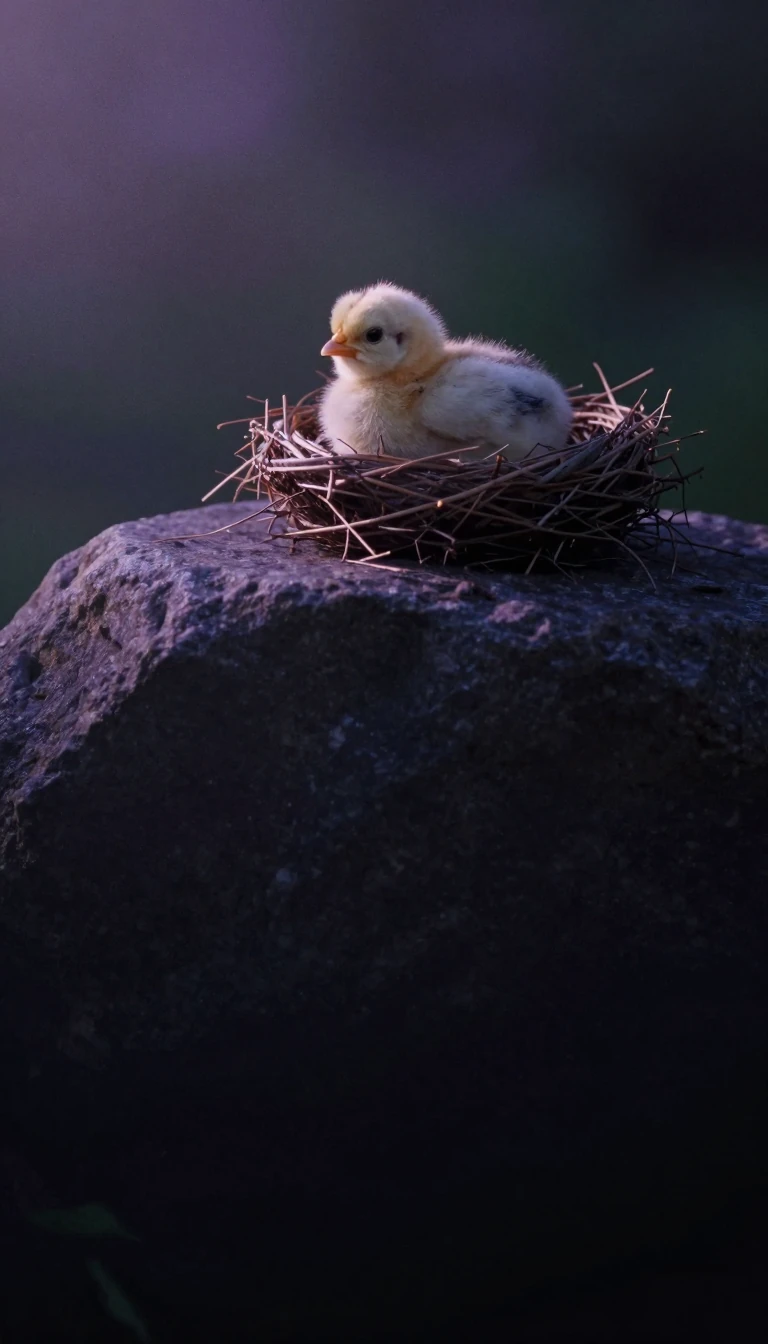
In short: Down feathers are more than just fluffy insulation; they are a sophisticated biological marvel. From their origins in non-avian dinosaurs to their role as chemical sensors and high-performance materials, these structures reveal how nature masters the physics of heat and buoyancy.
The structural simplicity of down is its greatest strength. Unlike tougher exterior feathers, down features a short or vestigial rachis (shaft) and barbules that lack hooks. This loose architecture allows it to trap air effectively, providing essential thermal insulation for birds and buoyancy for waterbirds. In nature, this adaptation is so vital that species facing extreme annual temperature fluctuations typically develop more down following their autumn moult. Even on a biological level, the stiffness of these feathers may serve as a defense mechanism, making nestlings harder to swallow and potentially decreasing cannibalism in colonial nesting sites.
The history of down reveals a complex human relationship with avian biology. While humans have used bird down for insulation since at least the 1600s, modern production is dominated by domestic geese, with China providing about 70% of the global supply. In specialized 'farming' practices in Iceland and Scandinavia, eider ducks are protected to harvest high-quality down—a lucrative material where a simple 800 gram duvet can sell for over US$5,116 as of 2021. Conversely, some regions have historically faced issues with the overexploitation of wild nests, highlighting the tension between industrial demand and wildlife conservation.
Today, the study of down has moved into the realm of advanced technology and environmental science. Researchers use feathers as non-invasive chemical sensors because birds can eliminate heavy metals from their bodies into their plumage; a high correlation exists between a bird's diet and the metal levels found in its feathers. Furthermore, to meet industrial demands for precision, scientists are now developing AI models like YOLO12. These systems use specialized algorithms to automatically detect and classify tiny components—such as discolored feathers or immature down—with over 96% precision, replacing traditional manual sorting methods.
Opens the Intellect+ feed with this card first. Swipe up for the next one.
Sources
- Summary by Intellect · source: Down feather
- Also: YOLO12 Down Feather Quality Classification Method Based on A2C2f-CGLU Feature Enhancement.
To cite this card, link to https://intellectplus.co.uk/app/health-down-feather.
How we source, check and correct cards: Editorial standards.
General information, not professional advice. Spotted an error? Flag the card or see corrections and complaints.
Intellect Plus is a visual educational discovery platform for exploring fascinating facts and ideas. Brain Food, Not Brain Rot. What is Intellect Plus?
Related
More in Nature · Latest · A–Z · All topics
