How ancient Egyptian artisans engineered enduring colors for their sacred wooden statuettes
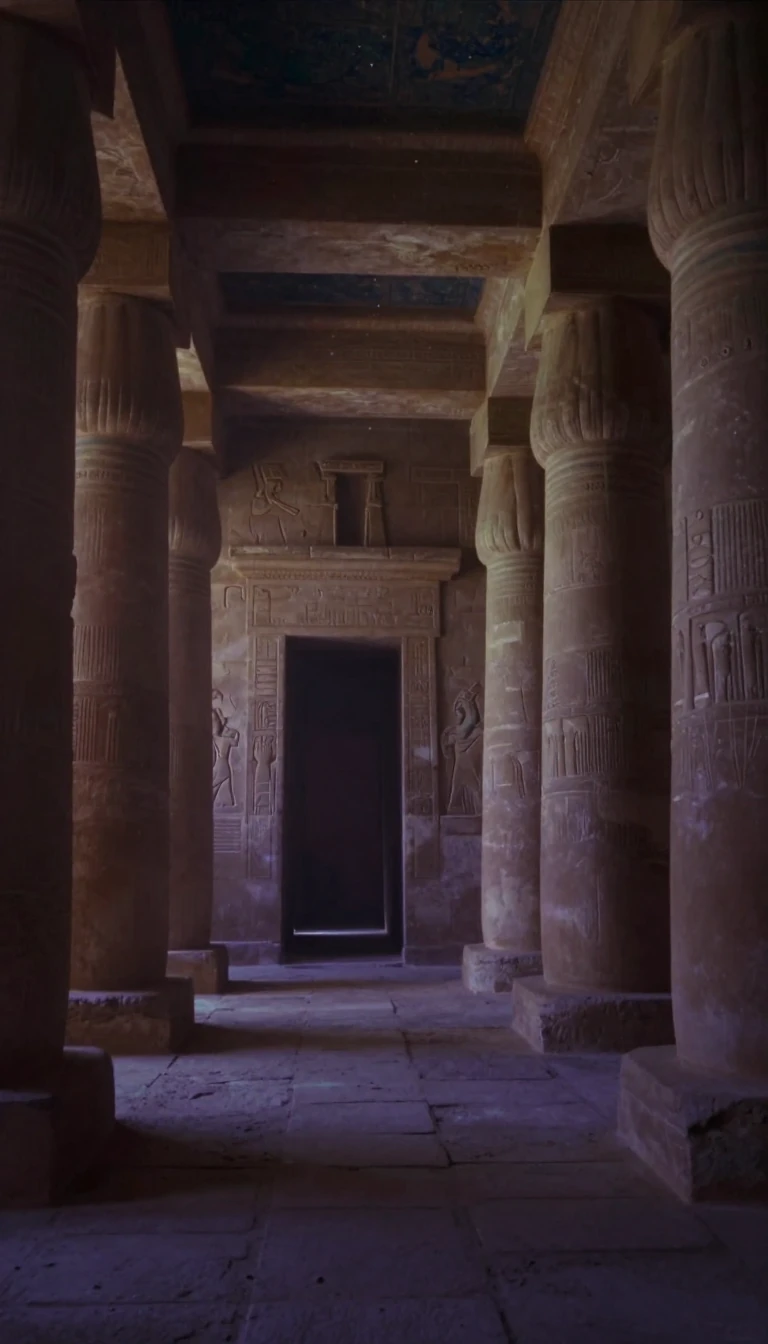
In short: The Twenty-sixth Dynasty, Egypt's final native era, left behind sophisticated artifacts that reveal advanced craftsmanship. Recent synchrotron analysis of a 26th Dynasty wooden statuette exposes complex pigment-mixing strategies and chemical secrets, offering a rare glimpse into the technical mastery of Lower Egyptian workshops from over 2,600 years ago.
The 26th Dynasty, or Saite Period, spanned from 664 to 525 BC, serving as the final native dynasty before the Persian conquest. While political history focuses on the rise of pharaohs like Psamtik I and the eventual fall of Psamtik III to Cambyses II, the material culture of the era provides a distinct narrative of technological sophistication. A recent study of a Ptah-Sokar-Osiris wooden statuette from the Giza area highlights the precision of these ancient workshops.
Researchers utilized synchrotron-based X-ray diffraction and FTIR analysis to examine the 85 cm sculpture, which was crafted from Vachellia nilotica wood. The findings reveal a highly deliberate approach to color. Artisans employed a systematic ground layer of calcite and sophisticated blending techniques, such as mixing carbon black with various chromophores to achieve nuanced effects. The presence of specific minerals, including Egyptian Blue and orpiment, underscores the intentionality behind their aesthetic choices.
The study also serves as a diagnostic tool for preservation. The predominance of atacamite over malachite in the green pigments provides evidence of chloride-mediated chemical changes occurring over 2,600 years of burial. While the statuette maintains a cellulose crystallinity index of 62.9%, it shows signs of severe lignin oxidation and organic binder loss. This data not only clarifies the manufacturing techniques of the Saite Period but also establishes a framework for the urgent conservation of such delicate polychrome artifacts.
Beyond the laboratory, the 26th Dynasty remains a subject of historical debate. While scholars generally start the dynasty with Psamtik I, ancient accounts like those of Manetho offer varying interpretations of its origins, sometimes linking it to Nubian governors or the 24th Dynasty. Whether through the lens of political upheaval or the chemical composition of its art, the period represents a final, vibrant flourish of native Egyptian culture before the transition into the Achaemenid Empire.
Opens the Intellect+ feed with this card first. Swipe up for the next one.
Sources
- Summary by Intellect · source: Twenty-sixth Dynasty of Egypt
- Also: Structural and Chemical Degradation of Archeological Wood: Synchrotron XRD and FTIR Analysis of a 26th Dynasty Egyptian Polychrome Wood Statuette.
To cite this card, link to https://intellectplus.co.uk/app/health-twenty-sixth-dynasty-of-egypt.
How we source, check and correct cards: Editorial standards.
General information, not professional advice. Spotted an error? Flag the card or see corrections and complaints.
Intellect Plus is a visual educational discovery platform for exploring fascinating facts and ideas. Brain Food, Not Brain Rot. What is Intellect Plus?
Related
More in Ancient egypt · More in History · Latest · A–Z · All topics
