Deep learning models show promise for medical imaging but face data shortages
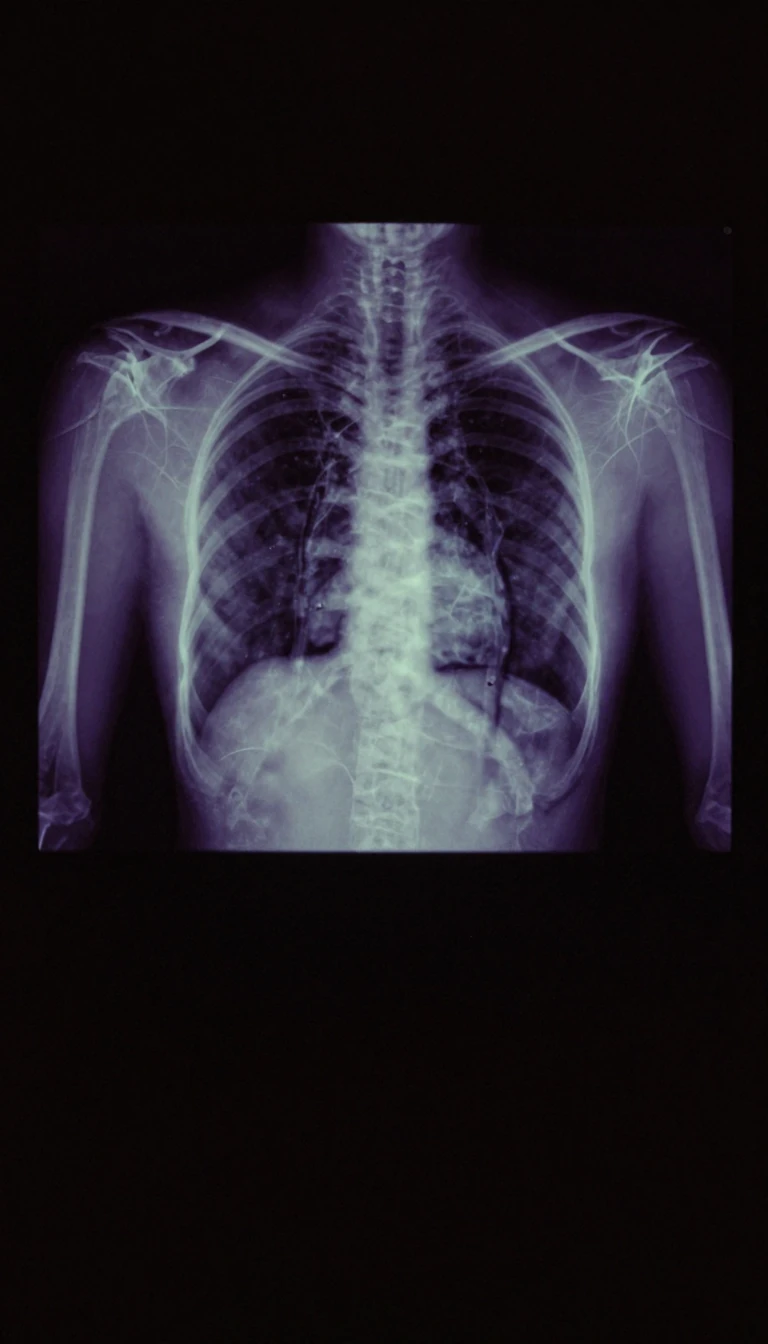
In short: Researchers have reviewed recent progress in applying deep learning to medical image analysis, finding that these models increasingly support disease detection and diagnosis. The review focuses on how unsupervised and semi-supervised deep learning methods are being applied to tasks such as classification, segmentation, detection, and image registration.
While these technologies offer significant potential for clinical use, their progress is limited by a scarcity of large, carefully labeled image datasets needed to train the models. The review summarizes recent approaches to this challenge and outlines remaining technical hurdles.
This is a literature review rather than a new experiment, so it synthesizes findings from many studies rather than testing a model directly. A key limitation is that its conclusions depend on the quality and scope of the research it summarizes.
Why it matters: Deep learning is increasingly used to help read medical images, but better labeled datasets are needed to realize its full potential.
Opens the Intellect+ feed with this card first. Swipe up for the next one.
Sources
- Summary by Intellect · source: Research: Chen et al. (2022). Recent advances and clinical applications of deep learning in medical image analysis. Medical image analysis.
To cite this card, link to https://intellectplus.co.uk/app/health-research-deep-learning-models-show-promise-for-medical-imaging-but-fa.
How we source, check and correct cards: Editorial standards.
General information, not professional advice. Spotted an error? Flag the card or see corrections and complaints.
Intellect Plus is a visual educational discovery platform for exploring fascinating facts and ideas. Brain Food, Not Brain Rot. What is Intellect Plus?
Related
More in Health · Latest · A–Z · All topics
