Imbalanced neural signals in mice may drive social and cognitive deficits
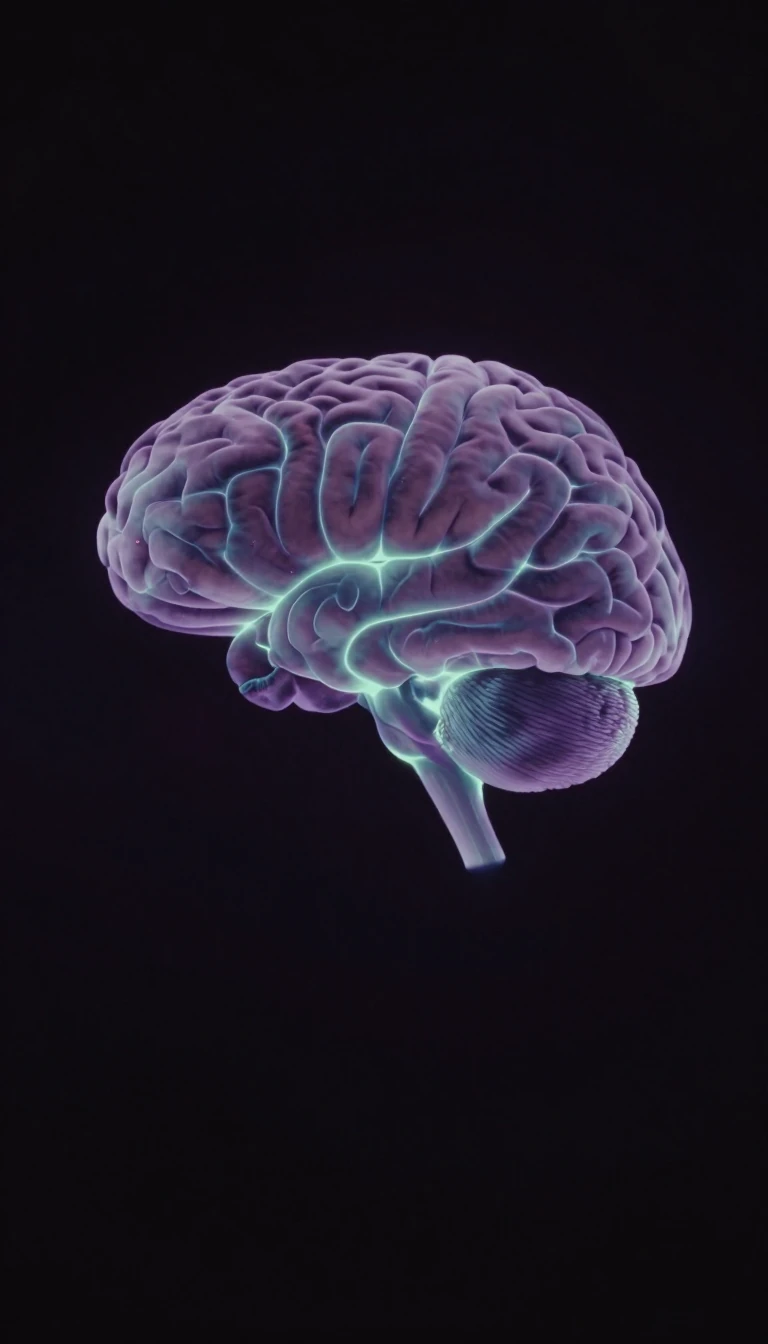
In short: Researchers used new optogenetic tools to tip the balance of excitation and inhibition in the medial prefrontal cortex of freely moving mice. Raising excitation relative to inhibition impaired the brain's information processing and produced specific behavioral changes and a rise in high-frequency brain activity, patterns also seen in human psychiatric conditions such as autism and schizophrenia.
Increasing the excitability of inhibitory cells partly reversed the social deficits caused by this imbalance, supporting the idea that excitation/inhibition balance matters for brain function. The findings come from a single animal study: mice, not humans, were studied, and the results of optogenetic manipulation may not translate directly to human brain complexity or clinical disease.
Why it matters: The balance between excitatory and inhibitory brain signals may help explain symptoms seen in conditions like autism and schizophrenia.
Opens the Intellect+ feed with this card first. Swipe up for the next one.
Sources
- Summary by Intellect · source: Research: Yizhar et al. (2011). Neocortical excitation/inhibition balance in information processing and social dysfunction. Nature.
To cite this card, link to https://intellectplus.co.uk/app/health-research-imbalanced-neural-signals-in-mice-may-drive-social-and-cogni.
How we source, check and correct cards: Editorial standards.
General information, not professional advice. Spotted an error? Flag the card or see corrections and complaints.
Intellect Plus is a visual educational discovery platform for exploring fascinating facts and ideas. Brain Food, Not Brain Rot. What is Intellect Plus?
Related
More in Neuroscience · More in Health · Latest · A–Z · All topics
