How do neural circuits and chemical signals actually dictate the way we behave?
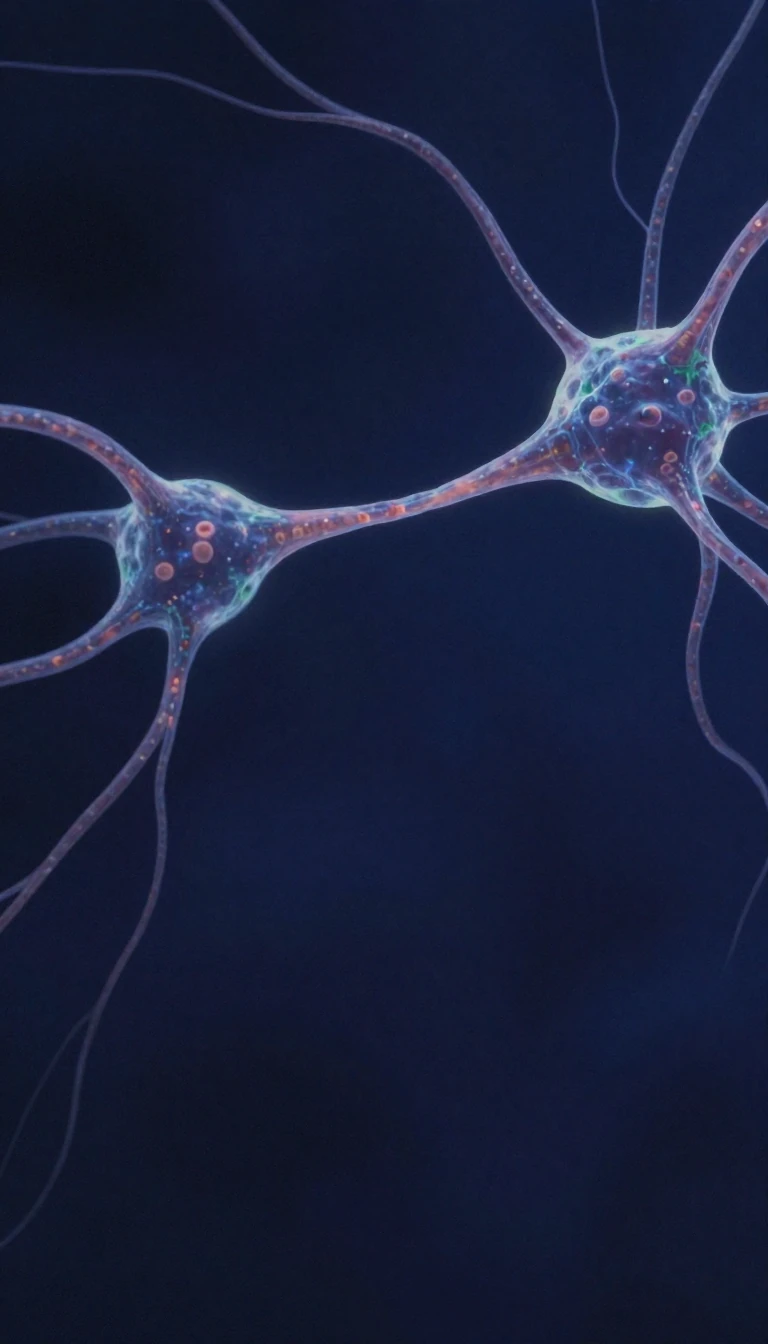
In short: Behavioural neuroscience bridges the gap between biology and action. By mapping how brain activity and molecular pathways influence everything from memory to emotion, researchers are uncovering the physical foundations of our daily lives. This field transforms abstract psychological concepts into measurable data, revealing how our brains adapt to the world.
Behavioural neuroscience investigates the biological roots of perception, learning, and decision-making by connecting observable actions to underlying brain activity. Researchers examine a wide spectrum of processes, ranging from microscopic cellular changes—such as the strengthening of neural connections or the birth of new neurons—to the complex dynamics of large-scale brain networks. By using advanced tools like neuroimaging and electrophysiology, scientists can observe how these systems generate and regulate behaviour across different species.
Modern research relies on sophisticated techniques to establish causal links between brain function and action. Optogenetics, for instance, allows scientists to control specific groups of neurons with light, while chemogenetics uses engineered receptors to modulate neural pathways pharmacologically. These methods have provided profound insights into mental health conditions, neurodevelopmental issues, and the cognitive decline associated with ageing. Furthermore, these findings are driving translational progress, influencing the development of new pharmacological treatments, rehabilitative therapies, and innovative brain-machine interfaces.
The field also explores how environmental stressors impact neural health. Recent studies have demonstrated that social isolation can impair spatial working memory, while magnetothermal stimulation—using heat-generating nanoparticles—has shown promise in promoting motor recovery in stroke models. By integrating behavioural assays with precise neural measurements, the discipline continues to reveal the principles of both adaptive and maladaptive behaviour. This work carries significant implications for diverse areas, including public health, education, and conservation practice, as researchers strive to understand the biological mechanisms that define our existence.
Opens the Intellect+ feed with this card first. Swipe up for the next one.
Sources
- Summary by Intellect · source: Behavioural Neuroscience | Biological Psychology | Health sciences | Topics | Nature Index
- Also: Behavioral neuroscience
To cite this card, link to https://intellectplus.co.uk/app/ideas-behavioral-neuroscience.
How we source, check and correct cards: Editorial standards.
General information, not professional advice. Spotted an error? Flag the card or see corrections and complaints.
Intellect Plus is a visual educational discovery platform for exploring fascinating facts and ideas. Brain Food, Not Brain Rot. What is Intellect Plus?
Related
More in Psychology · More in Ideas & Philosophy · Latest · A–Z · All topics
