Mapping the human cell through protein location and interaction networks
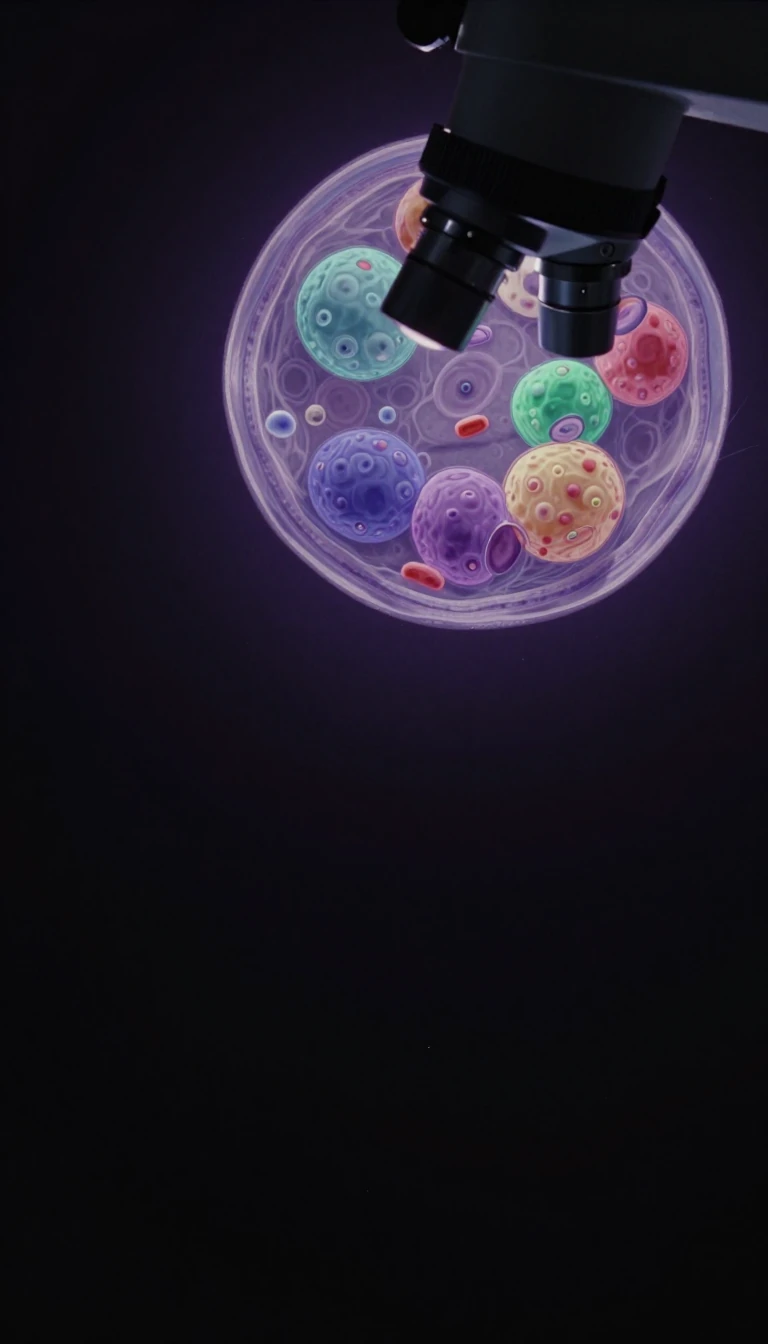
In short: Researchers using a new method called OpenCell have mapped the spatial organization of human proteins. By combining genome engineering with live-cell imaging and mass spectrometry, the team found that where a protein is located within a cell can reveal significant details about its functional role and its molecular partners.
This approach uses unsupervised clustering to identify functional groups of proteins, such as a specific subgroup of RNA-binding proteins with unique properties. While this provides a powerful resource for cellular cartography, the study relies on the integration of complex datasets like mass spectrometry and imaging to build its molecular networks.
Why it matters: Understanding where proteins live in a cell can help us decode how they work and interact.
Opens the Intellect+ feed with this card first. Swipe up for the next one.
Sources
- Summary by Intellect · source: Research: Cho et al. (2022). OpenCell: Endogenous tagging for the cartography of human cellular organization. Science (New York, N.Y.).
To cite this card, link to https://intellectplus.co.uk/app/health-research-mapping-the-human-cell-through-protein-location-and-interact.
How we source, check and correct cards: Editorial standards.
General information, not professional advice. Spotted an error? Flag the card or see corrections and complaints.
Intellect Plus is a visual educational discovery platform for exploring fascinating facts and ideas. Brain Food, Not Brain Rot. What is Intellect Plus?
Related
More in Health · Latest · A–Z · All topics
