The yeast cell functions as a collection of modular protein machines
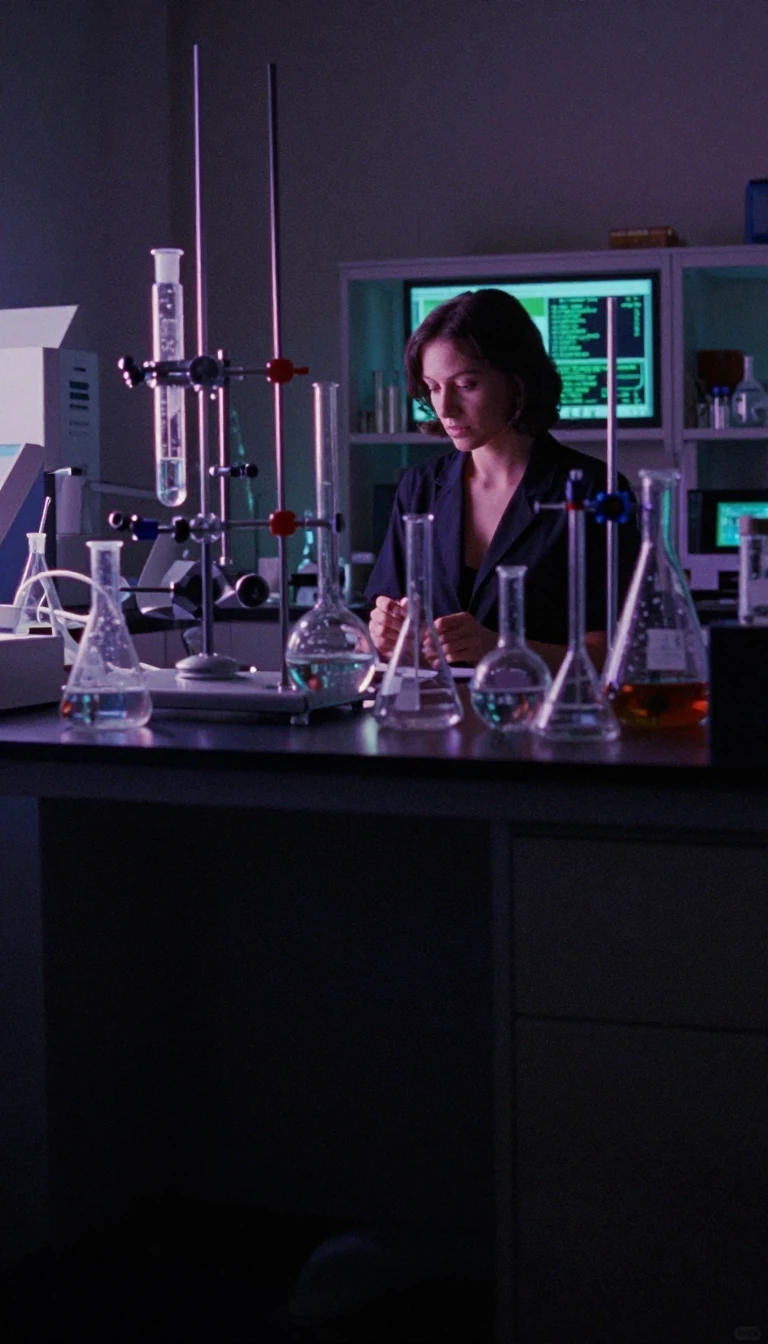
In short: Researchers conducted the first genome-wide screen to map the protein complexes of budding yeast. By using affinity purification and mass spectrometry to tag proteins, they discovered that the cell's machinery is organized into 491 distinct complexes, 257 of which were previously unknown.
The study reveals that these complexes are modular, meaning they can combine with different attachment proteins to perform diverse functions. This organization was confirmed by integrating the new data with existing information on protein structure and evolution. While this provides a massive dataset for biological modeling, the study is limited to the specific machinery of budding yeast.
Why it matters: Understanding the modular nature of protein complexes helps reveal how complex life organizes its internal machinery.
Opens the Intellect+ feed with this card first. Swipe up for the next one.
Sources
- Summary by Intellect · source: Research: Gavin et al. (2006). Proteome survey reveals modularity of the yeast cell machinery. Nature.
To cite this card, link to https://intellectplus.co.uk/app/science-research-the-yeast-cell-functions-as-a-collection-of-modular-protein.
How we source, check and correct cards: Editorial standards.
General information, not professional advice. Spotted an error? Flag the card or see corrections and complaints.
Intellect Plus is a visual educational discovery platform for exploring fascinating facts and ideas. Brain Food, Not Brain Rot. What is Intellect Plus?
Related
More in Cell biology · More in Science · Latest · A–Z · All topics
