Scars are not just surface marks; they are permanent biological shifts in tissue structure.
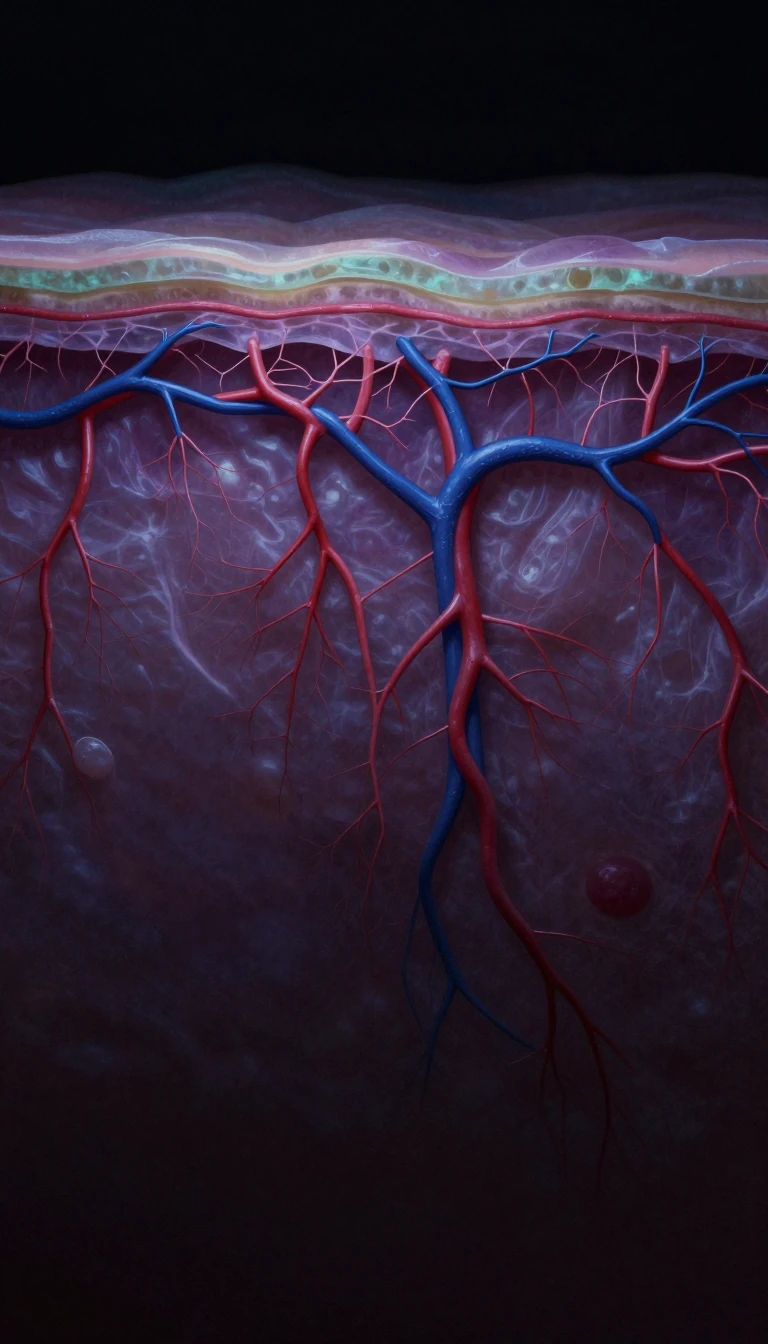
In short: A scar is the body's natural repair mechanism after injury, yet it is fundamentally different from the skin it replaces. While most marks fade over time, they lack the elasticity and functional complexity of original tissue. Understanding how these fibrous patches form reveals why they behave so unpredictably.
When skin or internal organs suffer an injury, the body initiates a repair process that replaces damaged areas with fibrous tissue. Unlike normal skin, which features a random basketweave of collagen fibers, scar tissue consists of collagen fibers aligned in a single, rigid direction. This structural difference means that scars lack the elasticity of healthy skin and are unable to regrow hair follicles or sweat glands, which can impair the body's ability to regulate temperature.
The severity and appearance of a scar depend on how the body manages collagen production. Hypertrophic scars occur when the body overproduces collagen, creating raised, firm lumps that stay within the original wound boundary. Keloid scars are more aggressive, potentially growing indefinitely beyond the initial injury site. Conversely, atrophic scars appear as sunken pits, often resulting from conditions like acne or chickenpox where underlying structures like fat or muscle are lost. While most scars fade over two years, these structural changes remain permanent.
Beyond cosmetic concerns, scars can cause physical complications. In rare cases, such as after a chest tube thoracostomy, scar tissue can tether nerves, leading to chronic pain and functional impairment. Medical interventions like ultrasound-guided hydrodissection can sometimes alleviate these internal issues. For surface scars, treatments range from silicone gels and steroid injections to laser therapy and skin camouflage. While the endometrium is the only adult tissue capable of rapid regeneration without scarring, for the rest of the body, the scar remains a testament to the biological trade-off between speed of repair and structural perfection.
Opens the Intellect+ feed with this card first. Swipe up for the next one.
Sources
To cite this card, link to https://intellectplus.co.uk/app/health-scar.
How we source, check and correct cards: Editorial standards.
General information, not professional advice. Spotted an error? Flag the card or see corrections and complaints.
Intellect Plus is a visual educational discovery platform for exploring fascinating facts and ideas. Brain Food, Not Brain Rot. What is Intellect Plus?
Related
More in Morbidity · More in Health · Latest · A–Z · All topics
