The hidden human cost of the world's most sustainable metal
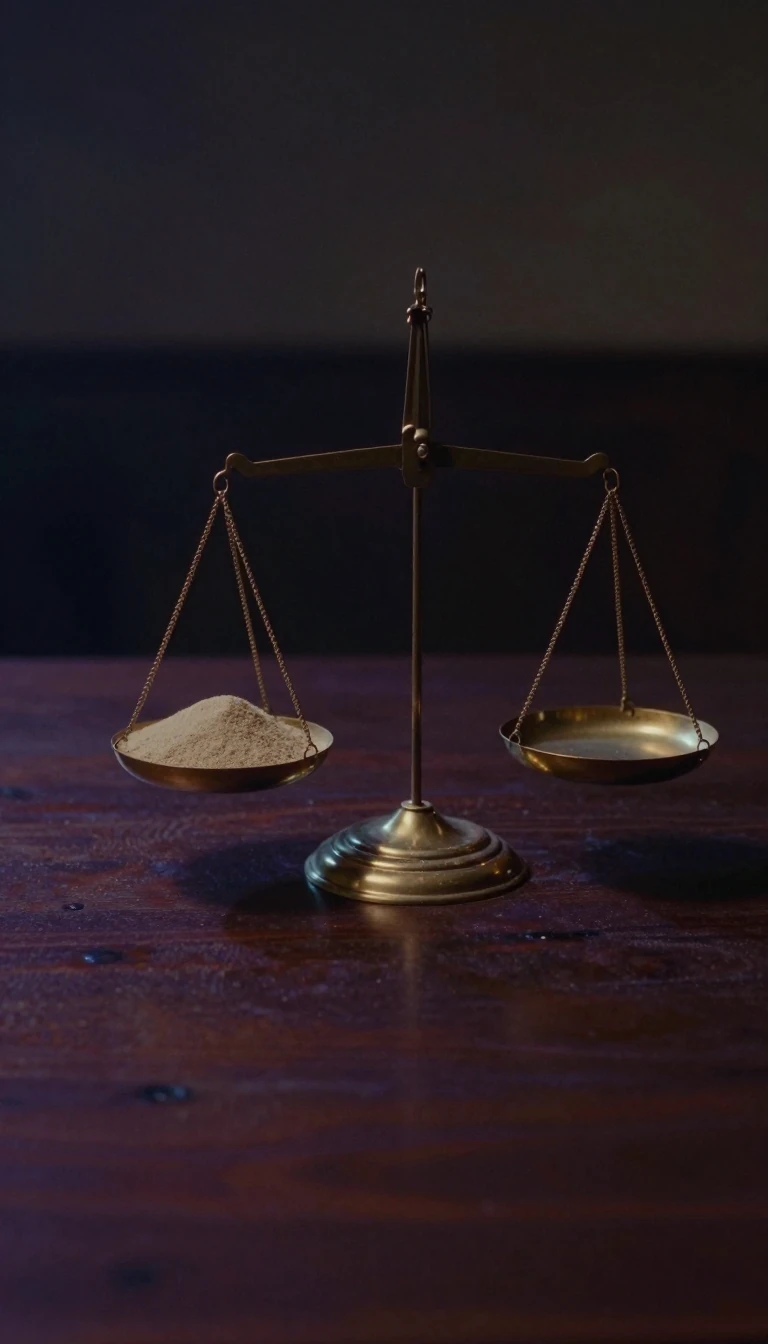
In short: Recycling steel saves enough energy to power 18 million homes annually, making it a cornerstone of the circular economy. Yet, behind this industrial triumph lies a grueling informal sector where workers face severe psychological trauma and physical hazards to keep the cycle moving.
The mechanics of scrap metal recycling are a feat of industrial efficiency. Steel is the most frequently recycled metal globally because it retains its physical properties throughout the process. Processing a single tonne of steel allows the sector to conserve 55 kilograms of limestone, 630 kilograms of coal, and 1.1 metric tons of iron ore. In the United States, the recycling rate for structural steel reached over 97% in 2008, while automobiles reached 106%—a figure inflated by a sharp decline in production during the late 2000s recession.
However, the 'circularity' of these materials is complex. Research indicates that improving scrap quality from end-of-life vehicles is essential for automotive circularity toward 2050, but this can create trade-offs by reducing the available scrap for the building sector. Furthermore, the industry faces significant safety risks. Personnel may encounter radioactivity, asbestos, or toxic metals like beryllium and mercury. Specialized tools like hydraulic alligator shears and industrial shredders also pose constant risks of injury or death.
The most overlooked layer is the human element in the informal scrap economy. In regions like the Eastern Cape of South Africa, female scrap collectors navigate a landscape of 'gendered vulnerability.' These workers face public degradation, economic exploitation by truck drivers, and persistent stress from insufficient earnings. These conditions contribute to chronic stress, fear, and mental exhaustion, highlighting a need for trauma-informed psychosocial support to protect those who facilitate our material world.
Opens the Intellect+ feed with this card first. Swipe up for the next one.
Sources
- Summary by Intellect · source: Scrap
- Also: Female Scrap Collectors in Qumbu, Eastern Cape, South Africa Through the Lens of Resilience Theory.
To cite this card, link to https://intellectplus.co.uk/app/health-scrap.
How we source, check and correct cards: Editorial standards.
General information, not professional advice. Spotted an error? Flag the card or see corrections and complaints.
Intellect Plus is a visual educational discovery platform for exploring fascinating facts and ideas. Brain Food, Not Brain Rot. What is Intellect Plus?
Related
More in Epidemiology · More in Health · Latest · A–Z · All topics
