The hidden geometry of aviation safety at Sarasota-Bradenton International
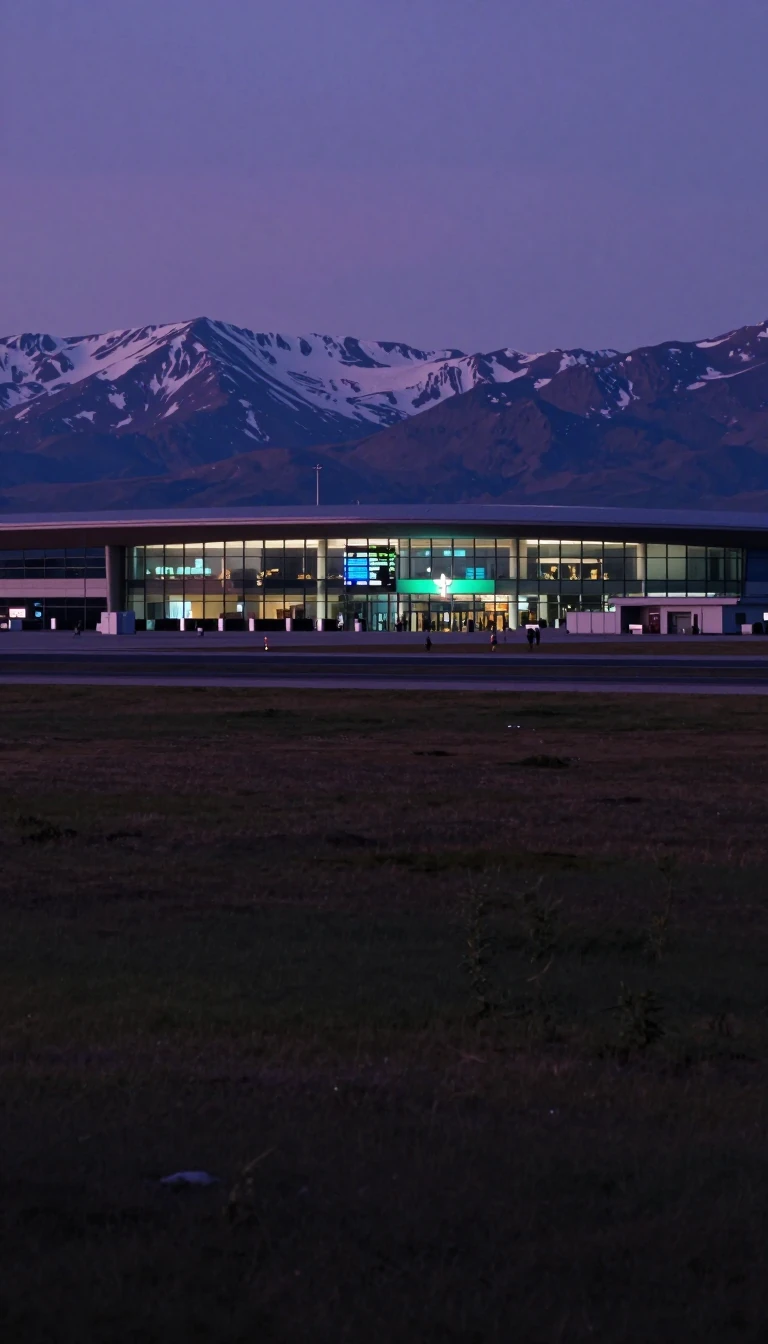
In short: Navigating a busy airport is a high-stakes game of spatial awareness. At Sarasota-Bradenton International (SRQ), the complex layout of intersecting runways and taxiways creates specific "hot spots" where a single missed marking or a split-second lapse in vigilance can lead to a runway incursion.
Sarasota-Bradenton International Airport (SRQ) serves as a primary hub for business and general aviation on Florida's west coast. However, its operational environment is characterized by high complexity due to a mix of air carriers, jet traffic, and five different flight schools. This diversity requires pilots to maintain constant situational awareness, particularly because the FAA has designated the SRQ Air Traffic Control Tower as a training facility, leading to frequent on-the-job training and a high volume of student activity.
The airport's physical configuration presents unique navigational challenges. The layout features intersecting runways 14/32 and 4/22. Specific "Hot Spots" have been identified where the risk of runway incursions is elevated. For example, the area encompassing four intersecting taxiways and two intersecting runways requires extreme vigilance. Pilots have been noted to occasionally miss hold short lines on Taxiway A when turning toward Runway 14, often because the markings are located further from the runway than expected.
Visual cues are critical for safety in these environments. Yellow paint identifies areas excluding those for landing or departure, including shoulders, chevrons, and taxiways, whereas white is used for runways. Pilots are cautioned against "wrong surface" landings, where aircraft might align with Taxiway A instead of Runway 14/32. Furthermore, the airport's intersection geometry means that pilots must verify their heading using magnetic compasses or Horizontal Situation Indicators to avoid taking off in the wrong direction, as runway numbers may appear reversed depending on the approach side.
Beyond the tarmac, the airport's history reflects a transition from inadequate infrastructure to a modern facility. It replaced Lowe Field, which suffered from wet landing strips and low capacity. The current airport opened in 1940 with $1 million in funding. Its identity is so deeply woven into the region that its three-letter code, SRQ, has become a general nickname for the city of Sarasota and the surrounding area.
Opens the Intellect+ feed with this card first. Swipe up for the next one.
Sources
- Summary by Intellect · source: Sarasota-Bradenton International Airport (SRQ) | Federal Aviation Administration
- Also: Sarasota–Bradenton International Airport
To cite this card, link to https://intellectplus.co.uk/app/health-sarasota-bradenton-international-airport.
How we source, check and correct cards: Editorial standards.
General information, not professional advice. Spotted an error? Flag the card or see corrections and complaints.
Intellect Plus is a visual educational discovery platform for exploring fascinating facts and ideas. Brain Food, Not Brain Rot. What is Intellect Plus?
Related
More in Epidemiology · More in Health · Latest · A–Z · All topics
