The Alaskan orphanage where a child designed a state flag
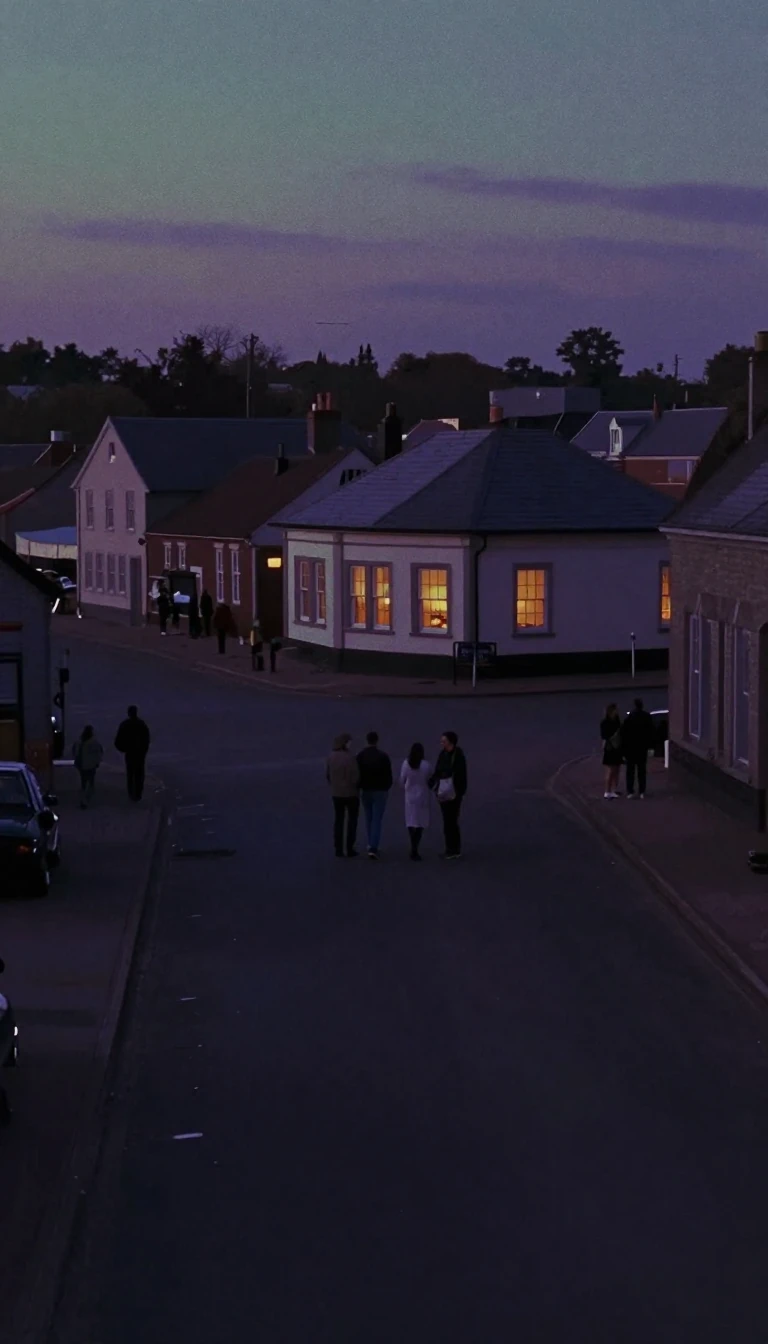
In short: In 1927, a thirteen-year-old resident of the Jesse Lee Home looked at a blue field and eight golden stars. His simple, striking vision won a massive design competition, but the history of this Alaskan outpost is much more complex than a single moment of artistic triumph.
Seward, Alaska, established in 1903 by the Ballaine Brothers, was originally intended as a railway terminus for the Alaska Central Railway. While the town is famously named after Secretary of State William H. Seward—the man who negotiated the 1867 purchase of Alaska from Russia—its history is defined by much more than political transactions. The settlement has transitioned through eras of Russian rule, gold rushes, and significant military importance during World War II, when facilities like Fort Raymond and Walseth Air Force Base were established to protect the region.
Beyond its role as a transportation hub for the Alaska Railroad, Seward served as a site for profound social and medical history. The Jesse Lee Home, an orphanage for Native children from across the state, was located here. The institution saw the impact of the devastating tuberculosis epidemic, which left many children orphaned. It was within this setting that Benny Benson, a thirteen-year-old resident, created the Alaska state flag. His entry, featuring eight gold stars on a blue background, won unanimously from 142 competing designs.
Today, the town’s economy relies on a diverse mix of fishing, tourism, and marine operations. However, the landscape itself is changing. Recent studies of the Arctic tundra between the Seward and Tuktoyaktuk Peninsulas show that climate-driven shifts are altering vegetation. Furthermore, the region's glaciers are retreating, contributing to a significant increase in ice-marginal lakes. Between 2018 and 2024, these lakes in Alaska grew by 156 square kilometers, a rate 50% higher than the previous decade, highlighting the ongoing environmental evolution of this historic Alaskan port.
Opens the Intellect+ feed with this card first. Swipe up for the next one.
Sources
- Summary by Intellect · source: Seward, Alaska | Advisory Council on Historic Preservation
- Also: Seward, Alaska
- Also: Rapid ice-marginal lake growth in Alaska driven by glacier retreat through bed overdeepenings.
To cite this card, link to https://intellectplus.co.uk/app/health-seward-alaska.
How we source, check and correct cards: Editorial standards.
General information, not professional advice. Spotted an error? Flag the card or see corrections and complaints.
Intellect Plus is a visual educational discovery platform for exploring fascinating facts and ideas. Brain Food, Not Brain Rot. What is Intellect Plus?
Related
More in History · Latest · A–Z · All topics
