From ancient Egyptian papyrus to modern skin guns, how we transplant human skin
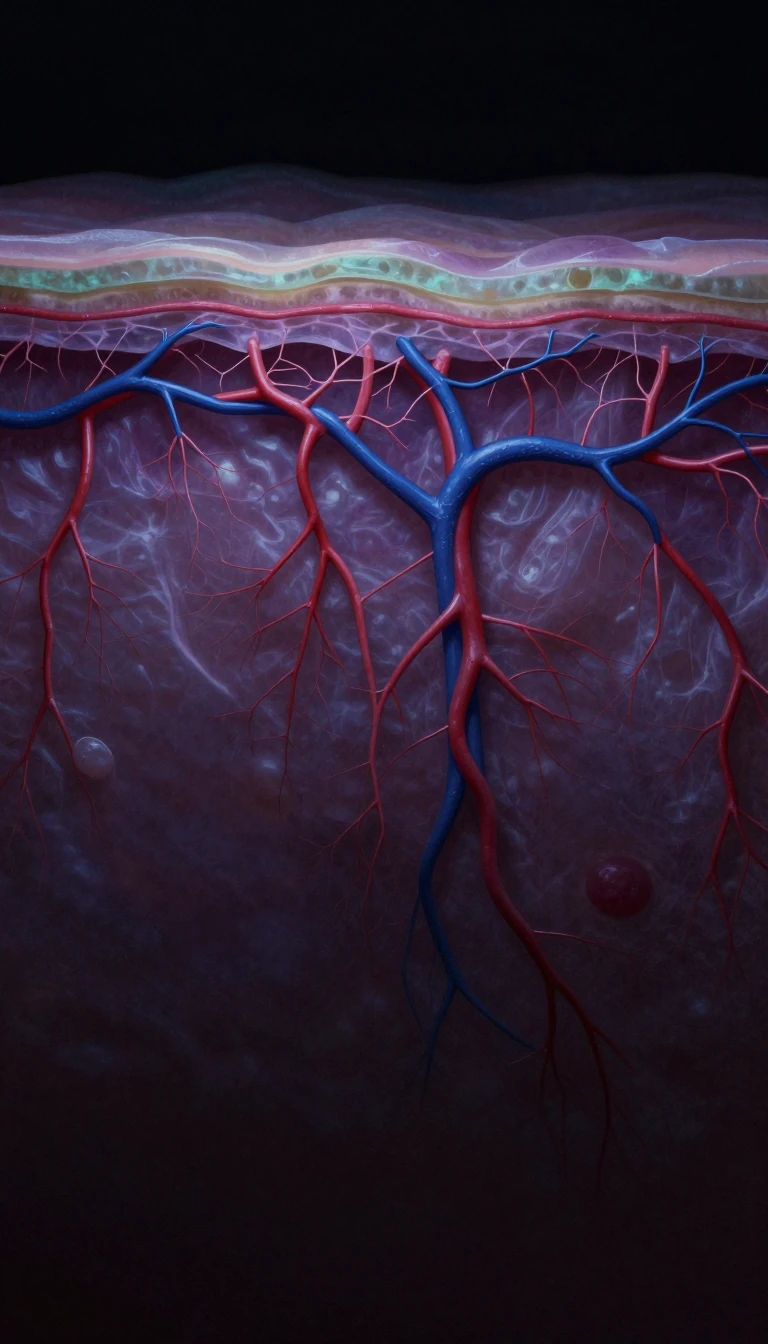
In short: Skin grafting is a surgical feat that moves tissue to heal wounds where the body cannot repair itself. Whether using a patient's own skin or temporary biological substitutes, this procedure balances the need for coverage against the risk of rejection, transforming how we treat everything from cancer surgery to burns.
Skin grafting involves transplanting skin without its original blood supply. The procedure is essential for treating extensive tissue loss from infections like necrotizing fasciitis or following the removal of skin cancers. Surgeons categorize these grafts by thickness and source. Autografts, taken from the patient's own body, are the gold standard because they are not rejected by the immune system. In contrast, allografts from other humans or xenografts from animals like pigs serve as temporary dressings to prevent fluid loss and infection until the body eventually rejects them.
The healing process is a biological relay. In the first 24 hours, the graft survives through plasmatic imbibition, essentially drinking plasma from the recipient bed. By the second or third day, capillary inosculation begins as new vessels bridge the gap, followed by full neovascularization between days four and seven. To improve success, surgeons may use a dermatome to harvest split-thickness grafts, which include the epidermis and part of the dermis. These can be meshed to expand their surface area, though this can leave a pebbled appearance.
Modern innovation is pushing beyond traditional methods. Techniques like the MEEK technique allow for massive expansion of donor skin, while cell-cultured epithelial autografts (CEA) grow new skin sheets in a lab. Experimental approaches even include skin cell guns that spray stem cells directly onto burns. Meanwhile, negative pressure wound therapy (NPWT) has become a vital aid, using vacuum suction to keep graft sites clean and promote vessel growth. Despite these advances, recovery remains demanding, often requiring long-term compression garments and careful monitoring for circulation.
The history of this practice is surprisingly deep. The Ebers Papyrus of ancient Egypt contains early records of xenografting, and by the 2nd century AD, the philosopher Celsus was using grafts for reconstructive surgery. The 19th century saw a surge in formal techniques, with pioneers like Reverdin, Ollier, and Thiersch defining the split-thickness and full-thickness methods still recognized today. From these rudimentary beginnings to contemporary microcolumn grafting, the field continues to evolve, aiming to minimize scarring and maximize functional recovery.
Opens the Intellect+ feed with this card first. Swipe up for the next one.
Sources
- Summary by Intellect · source: Skin grafting
To cite this card, link to https://intellectplus.co.uk/app/health-skin-grafting.
How we source, check and correct cards: Editorial standards.
General information, not professional advice. Spotted an error? Flag the card or see corrections and complaints.
Intellect Plus is a visual educational discovery platform for exploring fascinating facts and ideas. Brain Food, Not Brain Rot. What is Intellect Plus?
Related
More in Medical procedures · More in Health · Latest · A–Z · All topics
