Your body repairs itself through a complex, overlapping sequence of biological events
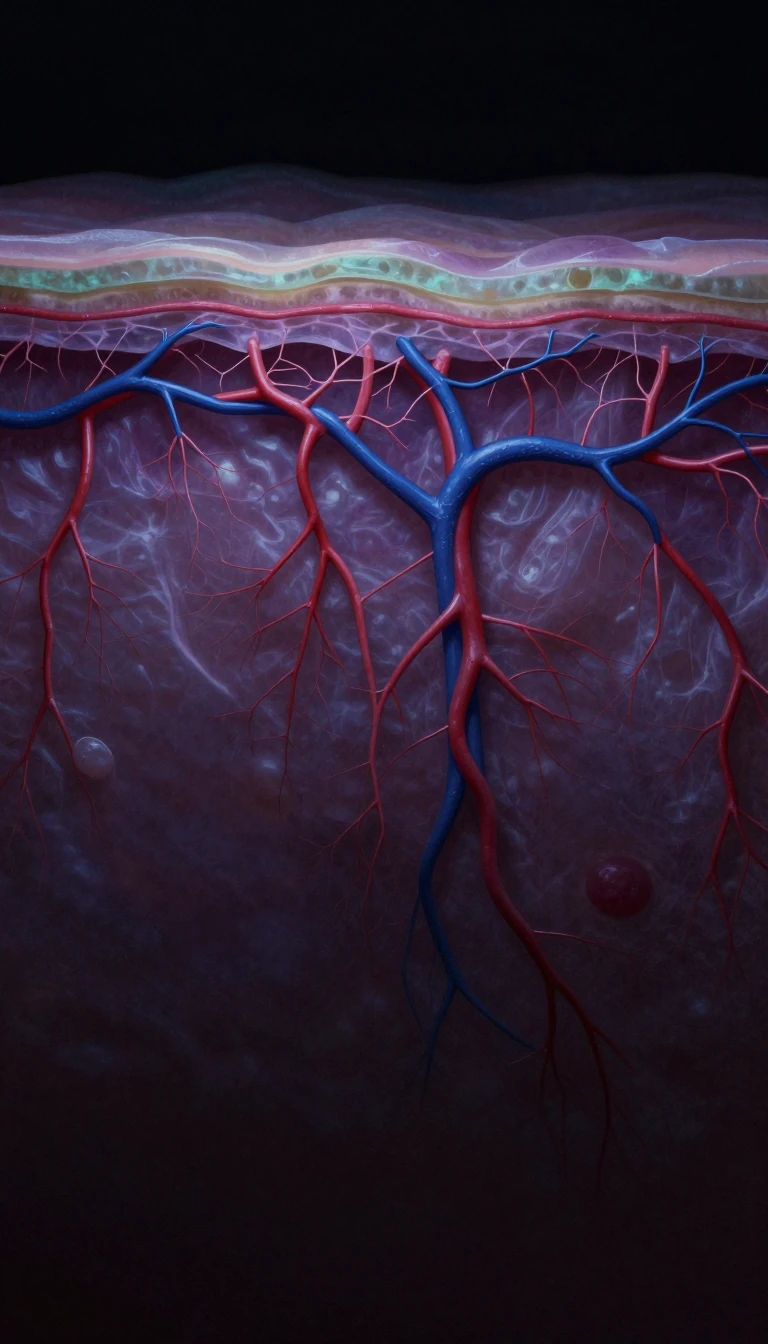
In short: When skin is breached, a precise, multi-stage process initiates to restore the body's protective barrier. From the initial blood clot to the final remodeling of tissue, your cells work in concert to clear debris, grow new vessels, and knit together a functional, resilient repair. It is a fragile, remarkable feat.
Wound healing is a sophisticated, regulated sequence of events designed to replace damaged tissue. Classically, this process is divided into hemostasis, inflammation, proliferation, and remodeling. However, these phases are not strictly linear; they overlap significantly. Hemostasis begins within minutes of injury, as platelets aggregate and release chemical signals, forming a fibrin-fibronectin plug that stops bleeding and provides a temporary scaffold for migrating cells. This initial clot is essential, acting as a makeshift extracellular matrix until collagen can be deposited.
The inflammatory phase follows, where white blood cells like neutrophils and macrophages clear pathogens and debris. Neutrophils arrive within an hour, peaking by the second day, while macrophages become dominant shortly thereafter. These macrophages are critical; they not only debride the area but also secrete growth factors that transition the wound into the proliferative phase. If inflammation persists due to infection or debris, the process can stall, leading to chronic, non-healing wounds. Research suggests that the eventual disappearance of macrophages is necessary for the wound to progress toward contraction and remodeling.
During proliferation, which begins around day three, the body builds new tissue. Angiogenesis, the formation of new blood vessels, is vital to supply oxygen and nutrients to the area. Fibroblasts enter the site to synthesize a new extracellular matrix, while epithelial cells crawl across the wound bed to restore the protective skin layer. Finally, in the maturation phase, collagen is realigned along tension lines to increase strength. Myofibroblasts play a key role here, gripping wound edges to contract the injury site. This entire sequence is delicate; if re-epithelialization is slow, scarring occurs over months, whereas rapid healing can lead to true regeneration.
Modern medicine is increasingly utilizing these biological insights. For instance, electrospun nanofiber dressings are being developed to mimic the natural extracellular matrix, supporting cell adhesion and tissue growth. Understanding these mechanisms is essential for regenerative medicine, as researchers look for ways to manipulate these pathways to improve outcomes in complex clinical cases.
Opens the Intellect+ feed with this card first. Swipe up for the next one.
Sources
- Summary by Intellect · source: Wound healing
To cite this card, link to https://intellectplus.co.uk/app/science-wound-healing.
How we source, check and correct cards: Editorial standards.
General information, not professional advice. Spotted an error? Flag the card or see corrections and complaints.
Intellect Plus is a visual educational discovery platform for exploring fascinating facts and ideas. Brain Food, Not Brain Rot. What is Intellect Plus?
Related
More in Human body & genes · More in Science · Latest · A–Z · All topics
