Spelt is an ancient, hardy grain that has fed Europe for thousands of years
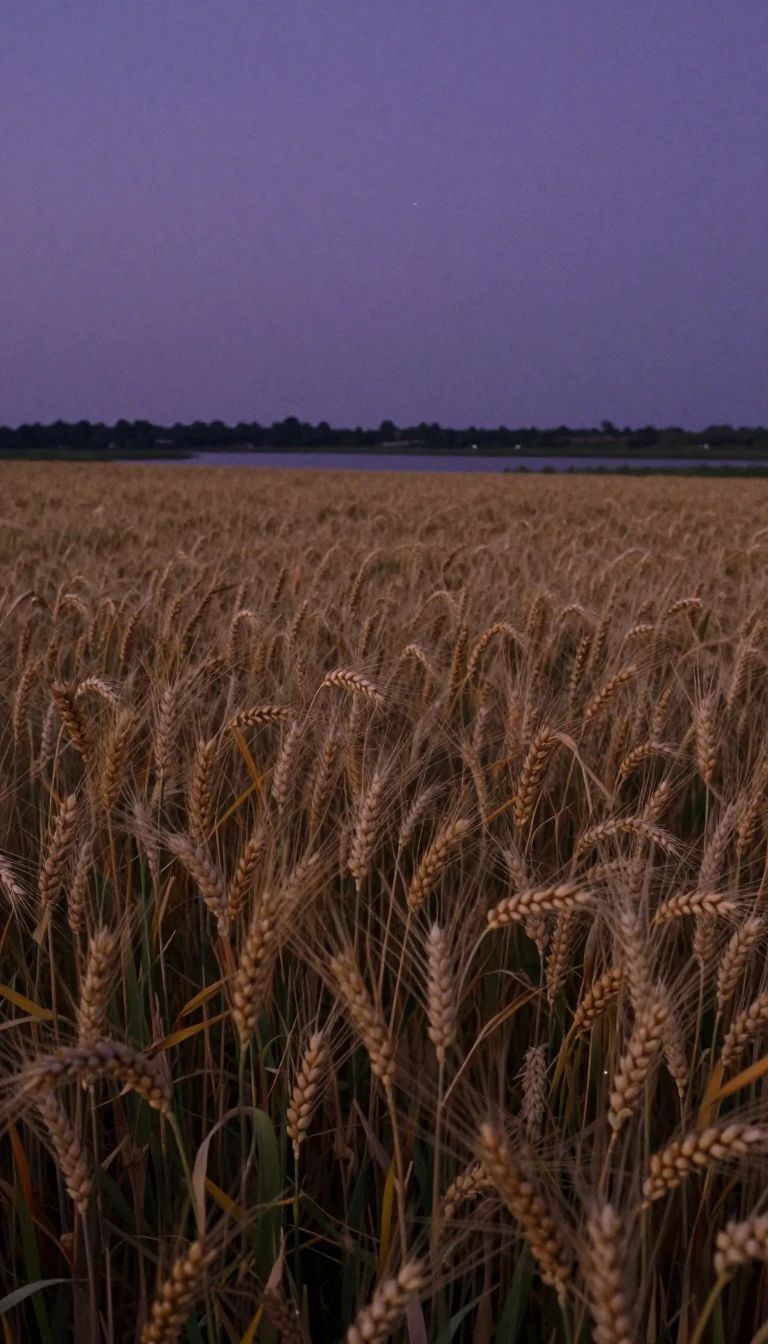
In short: Often marketed today as a modern health food, spelt is actually a relict crop with roots stretching back to the Neolithic period. This hexaploid wheat, once a staple from the Bronze Age to the Middle Ages, remains a versatile ingredient for everything from artisanal bread to traditional European beer.
Spelt, or Triticum spelta, is a robust species of wheat that has been cultivated since approximately 5000 BCE. Its history is deeply intertwined with the development of European agriculture, where it became a major crop by the 9th century CE. Experts suggest its popularity in the Middle Ages was driven by its adaptability to cold climates and its suitability for long-term storage, largely due to the protective husk that remains on the seed even after harvest. Unlike bread wheat, the axis of a spelt spike is brittle, shattering into separate segments when fully ripe.
Botanically, spelt is a hexaploid, meaning it possesses six sets of chromosomes. Genetic evidence indicates it likely arose through complex hybridisation events, potentially involving domesticated tetraploid wheat and the wild goat-grass Aegilops tauschii, or through a later cross between bread wheat and emmer. This unique genetic makeup makes spelt a valuable resource for modern breeders; research on the Oberkulmer cultivar identified 40 specific alleles that could help improve the yield of common wheat, including traits for larger grain size and greater fertility.
While often confused with other hulled wheats like emmer or einkorn—a historical ambiguity reflected in ancient texts—spelt remains distinct in its nutritional and culinary profile. A 100-gram serving is rich in manganese, phosphorus, and niacin, and provides a significant source of protein and dietary fiber. However, it is not a gluten-free alternative; like common wheat, it contains gluten, making it unsuitable for those with celiac disease. Today, while it has largely been replaced by bread wheat in industrial farming, its lower fertilizer requirements have helped it find a new niche within the organic farming movement and artisanal food markets.
Opens the Intellect+ feed with this card first. Swipe up for the next one.
Sources
- Summary by Intellect · source: Spelt
To cite this card, link to https://intellectplus.co.uk/app/health-spelt.
How we source, check and correct cards: Editorial standards.
General information, not professional advice. Spotted an error? Flag the card or see corrections and complaints.
Intellect Plus is a visual educational discovery platform for exploring fascinating facts and ideas. Brain Food, Not Brain Rot. What is Intellect Plus?
Related
More in Health, medicine and disease · More in Health · Latest · A–Z · All topics
