Emmer: The Ancient Grain That Shaped Early Human Civilization and Agriculture
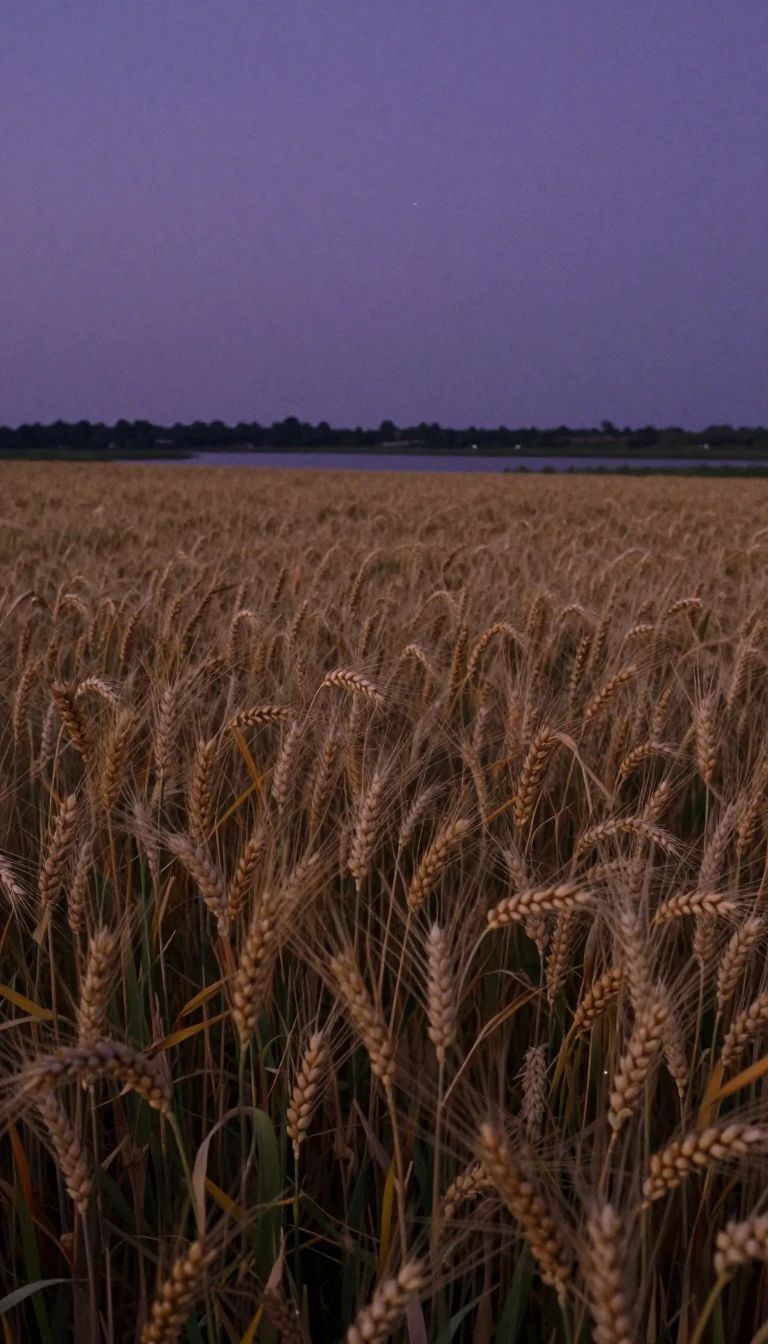
In short: Emmer is a foundational hybrid wheat species that helped launch the agricultural revolution in the Near East. Once a staple of the ancient world, this resilient grain is now primarily found in remote mountain regions. Discover why this hardy plant remains a culinary treasure and a vital piece of history.
Emmer, known scientifically as Triticum turgidum subsp. dicoccum, represents a pivotal moment in human history. Alongside einkorn, it stands as one of the earliest plants brought under human cultivation. Its domestication marked a transition from foraging to farming, providing a reliable food source that supported the growth of early societies across the Near East. Today, it is recognized as one of the three grains commonly referred to as farro in Italy.
The transition from wild to domestic emmer involved a significant evolutionary shift. In its wild state, Triticum dicoccoides possesses a fragile seed head that shatters upon ripening, naturally scattering seeds to ensure propagation. Domesticated varieties, however, feature a robust, intact seed head. This mutation allowed early farmers to harvest the grain efficiently without losing the crop to the soil, a trait that made it an ideal candidate for large-scale cultivation.
Beyond its historical significance, emmer is a remarkably adaptable plant. It thrives in subcontinental climates, tolerating environments with low humidity and significant temperature fluctuations, including cold winters. It prefers soil conditions ranging from slightly acidic to neutral, with a pH between 4.5 and 7.5. While it was once widespread, it has largely retreated to mountainous pockets of Asia and Europe, where it persists as a relict crop. Its seeds are protected by awned coverings—sharp, spike-like structures that help the grain bury itself into the earth, a biological mechanism that continues to aid its survival in the wild.
The plant can reach heights of up to 150 centimeters, with leaves that are soft and hairy during their early growth stages. Its cylindrical ears, measuring between 7 and 12 centimeters, are dense and occasionally branched at the base. These physical characteristics, combined with its historical role in human development, make emmer a subject of enduring interest for botanists and historians alike, bridging the gap between ancient agricultural practices and modern botanical study.
Opens the Intellect+ feed with this card first. Swipe up for the next one.
Sources
- Summary by Intellect · source: Emmer
- Also: English wheat (Triticum turgidum)
To cite this card, link to https://intellectplus.co.uk/app/gardening-emmer.
How we source, check and correct cards: Editorial standards.
General information, not professional advice. Spotted an error? Flag the card or see corrections and complaints.
Intellect Plus is a visual educational discovery platform for exploring fascinating facts and ideas. Brain Food, Not Brain Rot. What is Intellect Plus?
Related
More in Plants · More in Gardening · Latest · A–Z · All topics
