Einkorn: The ancient, resilient grain that humans accidentally domesticated 10,000 years ago
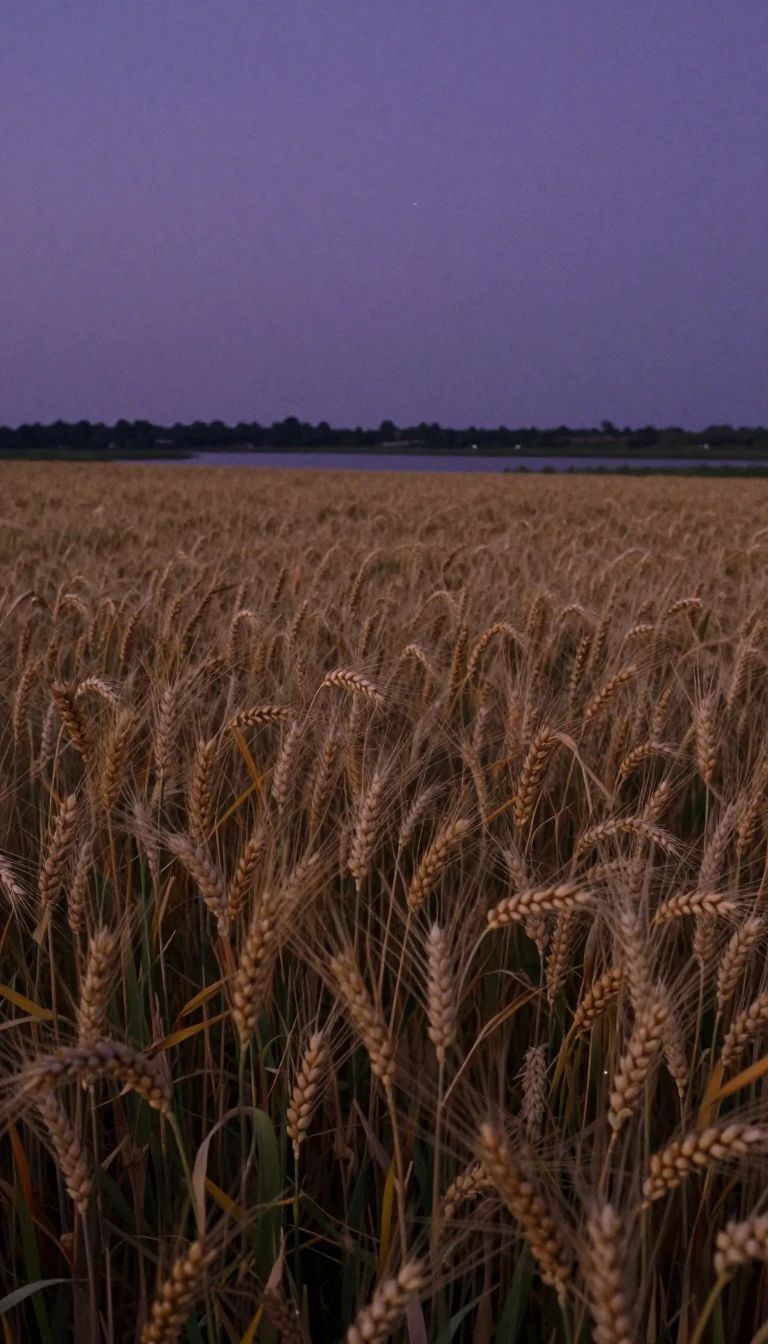
In short: Einkorn is a primitive wheat that survived on marginal soils long before modern agriculture. By selecting for plants that held onto their seeds rather than scattering them, early farmers unintentionally transformed a wild grass into a staple crop. Today, this ancient grain offers unique nutritional benefits and genetic resilience.
Einkorn, or Triticum monococcum, is a diploid wheat distinguished by its single-grain spikelets. Unlike modern bread wheat, which resulted from complex hybridizations, einkorn remains genetically distinct. Its journey from wild grass to crop began in the Fertile Crescent, where hunter-gatherers may have harvested it as early as 30,000 years ago. True domestication occurred roughly 10,000 years ago, likely near Karaca Dağ in modern-day Turkey, potentially to support the labor-intensive construction of the nearby Göbekli Tepe site.
The transition from wild to domestic was driven by a simple, accidental mutation. Wild einkorn naturally shatters its seed head to disperse kernels for reproduction. Early humans favored plants with intact heads, which were easier to harvest. Over a period of 20 to 200 years, this selection pressure created a domestic variety that could no longer propagate without human intervention. Because einkorn is largely self-pollinating, these desirable traits were easily maintained, preventing the plant from reverting through cross-fertilization with wild relatives.
While einkorn was eventually eclipsed by emmer wheat and later bread wheats, it remained a vital crop in cooler European climates until the early 20th century. It is remarkably hardy, thriving in poor, dry soils where other wheats fail. Beyond its agricultural utility, einkorn is a genetic treasure trove. It is an 'accumulator of complex immunities,' providing resistance genes like Sr21 and Yr34 that scientists now use to fortify modern wheat varieties against rust diseases.
Nutritionally, einkorn is dense with fat, phosphorus, potassium, and beta-carotene, though it contains gluten and is unsuitable for those with gluten-related disorders. While historically considered poor for breadmaking due to its inelastic dough, recent testing has shown that specific genotypes can produce high-quality baked goods. Its dense structure and bright yellow hue—a result of high carotenoid levels—make it a unique, nutrient-rich alternative to modern, high-yield wheat.
Opens the Intellect+ feed with this card first. Swipe up for the next one.
Sources
- Summary by Intellect · source: Einkorn
- Also: GBIF — red wild einkorn (Triticum urartu) · http://creativecommons.org/licenses/by/4.0/legalcode
To cite this card, link to https://intellectplus.co.uk/app/gardening-einkorn.
How we source, check and correct cards: Editorial standards.
General information, not professional advice. Spotted an error? Flag the card or see corrections and complaints.
Intellect Plus is a visual educational discovery platform for exploring fascinating facts and ideas. Brain Food, Not Brain Rot. What is Intellect Plus?
Related
More in Plants · More in Gardening · Latest · A–Z · All topics
