Your temporal lobes are the brain's library, emotional center, and face-recognition engine.
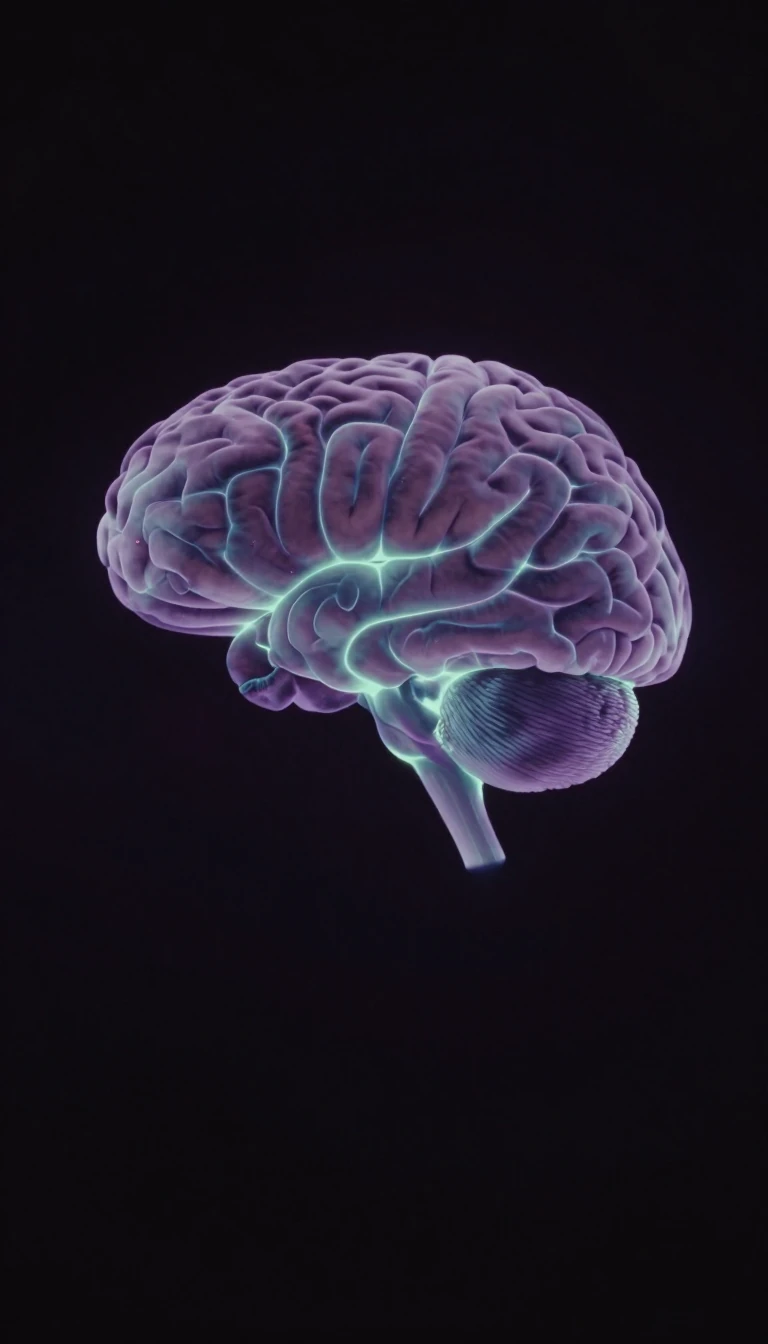
In short: Tucked behind your temples, the temporal lobes are the second-largest of your five brain lobes. These paired structures manage everything from the memories you can describe to the emotions you feel. They are the essential link between what you see and who you recognize, acting as your personal mental archive.
The temporal lobe makes up about 20% of the cerebral cortex. It is a complex, wrinkly-textured region composed of neurons that relay electrical and chemical signals, supported by glial cells. Within this lobe, the seahorse-shaped hippocampus acts as a memory library, storing declarative memories—the facts and events you can consciously recall. Nearby, the amygdala modulates emotions like fear and anxiety, while the fusiform gyrus bridges visual input with memory to allow for rapid face and object recognition.
Beyond basic perception, these lobes are vital for language comprehension and high-level auditory processing. The left temporal lobe is particularly critical for naming and verbal memory, working in tandem with other brain regions to decode spoken and written language. When these systems falter, the results can be profound; damage to the medial temporal lobe can lead to amnesia or an inability to interpret visual stimuli, even when the eyes themselves are functioning perfectly.
Recent research is beginning to uncover why this area is uniquely vulnerable to disease. For instance, the medial temporal lobe is often the first site for pathological tau deposition, a hallmark of cognitive decline. New studies suggest this vulnerability may be vascular in origin, linked to the diameter of the anterior choroidal artery. When blood perfusion is subpar, it appears to accelerate tau accumulation and cognitive loss, independent of other factors like amyloid burden.
Understanding these structures has moved beyond static mapping toward dynamic, network-level modeling. By analyzing preoperative neuropsychological trajectories, researchers can now better predict outcomes for epilepsy surgery, distinguishing between verbal, naming, and visual subtypes. This shift toward biologically interpretable biomarkers offers a more personalized approach to risk counseling, moving us closer to treating the brain as an integrated, resilient network rather than just a collection of isolated parts.
Opens the Intellect+ feed with this card first. Swipe up for the next one.
Sources
- Summary by Intellect · source: Temporal Lobe: What It Is, Function, Location & Damage
- Also: Temporal lobe
- Also: A vascular component to the selective vulnerability of the medial temporal lobe to tau pathology.
To cite this card, link to https://intellectplus.co.uk/app/health-temporal-lobe.
How we source, check and correct cards: Editorial standards.
General information, not professional advice. Spotted an error? Flag the card or see corrections and complaints.
Intellect Plus is a visual educational discovery platform for exploring fascinating facts and ideas. Brain Food, Not Brain Rot. What is Intellect Plus?
Related
More in Anatomy and morphology · More in Health · Latest · A–Z · All topics
