Your occipital lobe is the brain's visual processor, but it does much more than see.
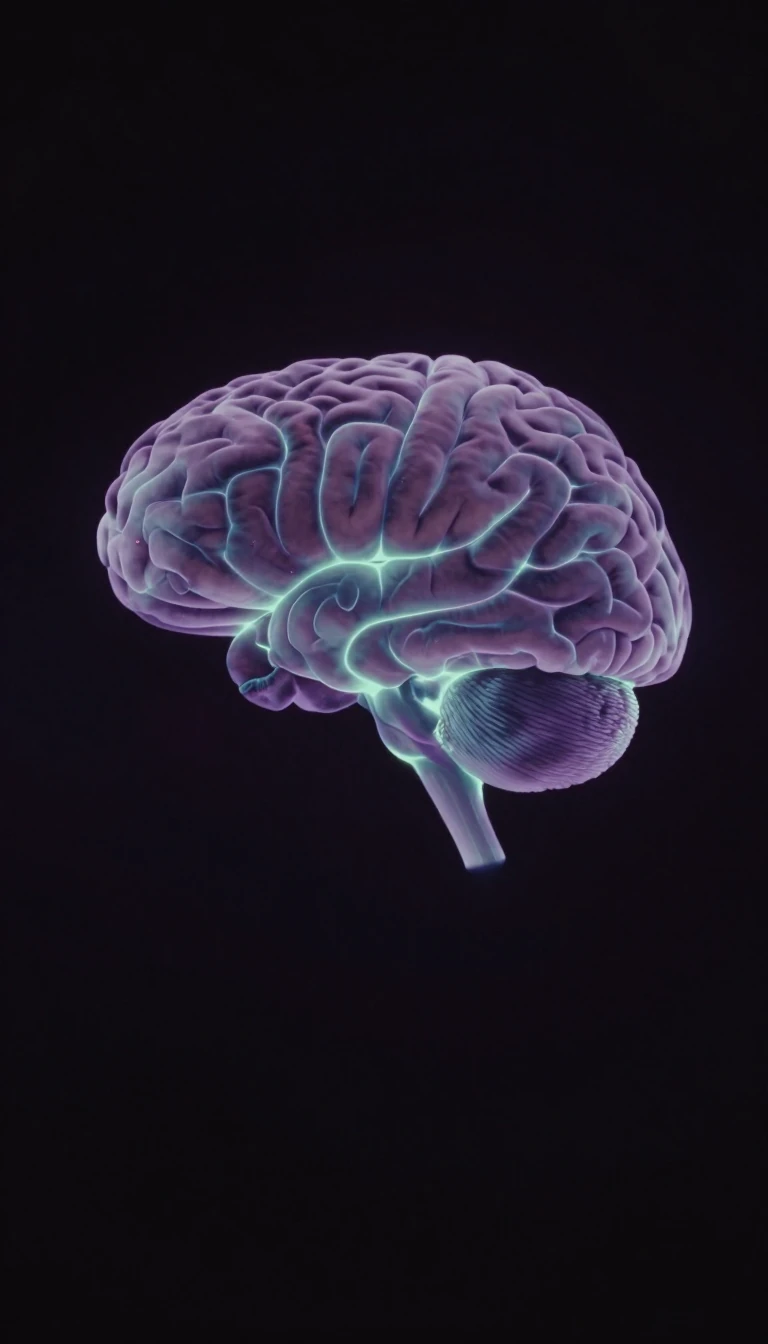
In short: Located at the back of your skull, the occipital lobe acts as the primary hub for visual processing. When this region malfunctions, the consequences range from total blindness to bizarre visual illusions, where objects appear to warp, shift, or move independently of reality. It is a complex, fragile biological machine.
The occipital lobe is the smallest of the four paired lobes in the human brain, situated in the rearmost portion of the skull. It serves as the primary visual cortex, often referred to as V1 or the striate cortex. This region receives raw sensory data from the retina via the lateral geniculate nucleus of the thalamus. Once these signals arrive, the lobe maps the visual world and begins the intricate work of interpreting what we see.
Visual processing is split into two distinct pathways: the ventral stream, which identifies objects, and the dorsal stream, which tracks their location and movement. Damage to these areas can lead to visual agnosias, where a person can see an object but cannot recognize it, or color agnosia, where the brain loses the ability to process or name colors. In some cases, such as Anton syndrome, a patient may be cortically blind yet deny their condition, a failure of the brain's self-monitoring processes.
Because the occipital lobe is essential for interpreting reality, its dysfunction can trigger hallucinations. These occur when neurons fire independently of actual visual input, creating images that the brain treats as real. Conditions ranging from migraines and epilepsy to tumors and carbon monoxide poisoning can disrupt this delicate network. Recent research into occipital lobe epilepsy has even identified specific propagation pathways, showing how seizures spread from the visual cortex into broader brain networks, affecting everything from motor control to behavior.
Opens the Intellect+ feed with this card first. Swipe up for the next one.
Sources
- Summary by Intellect · source: Occipital Lobe: Function, Location & Conditions
- Also: Occipital lobe
- Also: Mapping the Phenotypic Spectrum of Occipital Lobe Epilepsy: A SEEG-Defined Network Classification.
To cite this card, link to https://intellectplus.co.uk/app/health-occipital-lobe.
How we source, check and correct cards: Editorial standards.
General information, not professional advice. Spotted an error? Flag the card or see corrections and complaints.
Intellect Plus is a visual educational discovery platform for exploring fascinating facts and ideas. Brain Food, Not Brain Rot. What is Intellect Plus?
Related
More in Anatomy and morphology · More in Health · Latest · A–Z · All topics
