Why African religions often view a supreme creator as a distant, remote figure
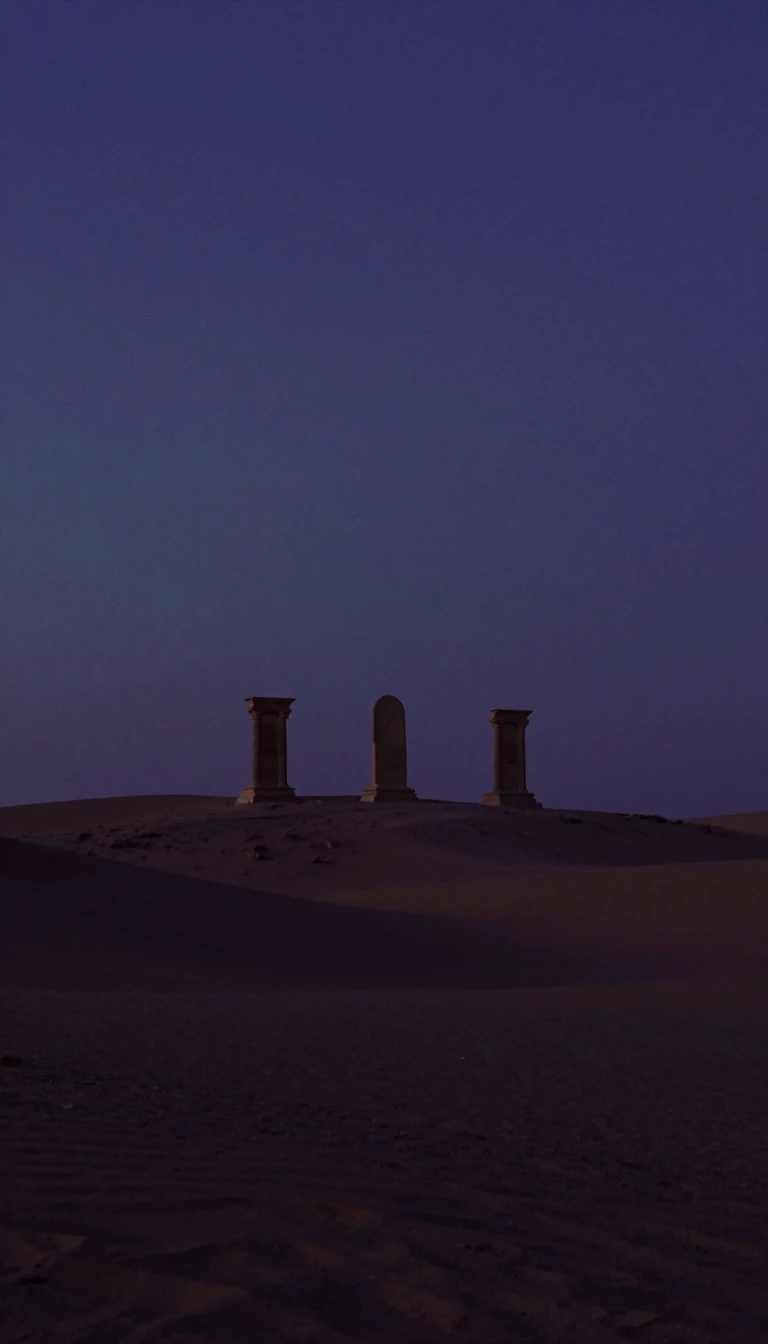
In short: Across diverse African traditions, a supreme creator god is often believed to have withdrawn from human affairs after setting the world in motion. Rather than petitioning this remote deity, practitioners focus on secondary divinities and ancestors, who act as active intermediaries to sustain community health, morality, and cosmic harmony.
While generalizations about African religions risk ignoring the continent's immense cultural diversity, many indigenous belief systems share a worldview centered on a supreme creator who remains detached from daily human concerns. Myths, such as those from the Dinka of South Sudan, describe a primordial separation where human actions—like striking the sky with a pestle—caused God to withdraw. This shift introduced mortality and toil but also granted humanity a degree of autonomy from immediate divine control.
Because the creator is often seen as remote, active religious life focuses on secondary divinities and ancestors. For example, the Yoruba of Nigeria venerate a pantheon of orisha, while the Asante of Ghana prioritize the ancestors as guardians of the moral order. These figures are not merely historical ghosts; they are integral to reality, capable of bestowing fortune or causing illness if descendants breach social or moral norms. Rituals, including blood sacrifices and libations, are essential tools for maintaining these relationships and channeling cosmic power for the community's benefit.
Religious practice in this context is less about adhering to rigid doctrine and more about fostering social cohesion and fecundity. Serious illness or misfortune is frequently interpreted as a moral dilemma stemming from interpersonal conflict, requiring restitution to restore balance. Rites of passage, such as those practiced by the Sande society across Liberia, Sierra Leone, Côte d’Ivoire, and Guinea, further illustrate this focus, using initiation to socialize individuals into their roles and cultivate sacred knowledge. Ultimately, these traditions function as a comprehensive worldview, where the spiritual and physical realms are deeply intertwined.
Opens the Intellect+ feed with this card first. Swipe up for the next one.
Sources
- Summary by Intellect · source: Bantu philosophy | African Beliefs & Traditions | Britannica
- Also: Bantu religion
To cite this card, link to https://intellectplus.co.uk/app/ideas-bantu-religion.
How we source, check and correct cards: Editorial standards.
General information, not professional advice. Spotted an error? Flag the card or see corrections and complaints.
Intellect Plus is a visual educational discovery platform for exploring fascinating facts and ideas. Brain Food, Not Brain Rot. What is Intellect Plus?
Related
More in Other religions · More in Ideas & Philosophy · Latest · A–Z · All topics
