Can the human mind burn images directly onto photographic film?
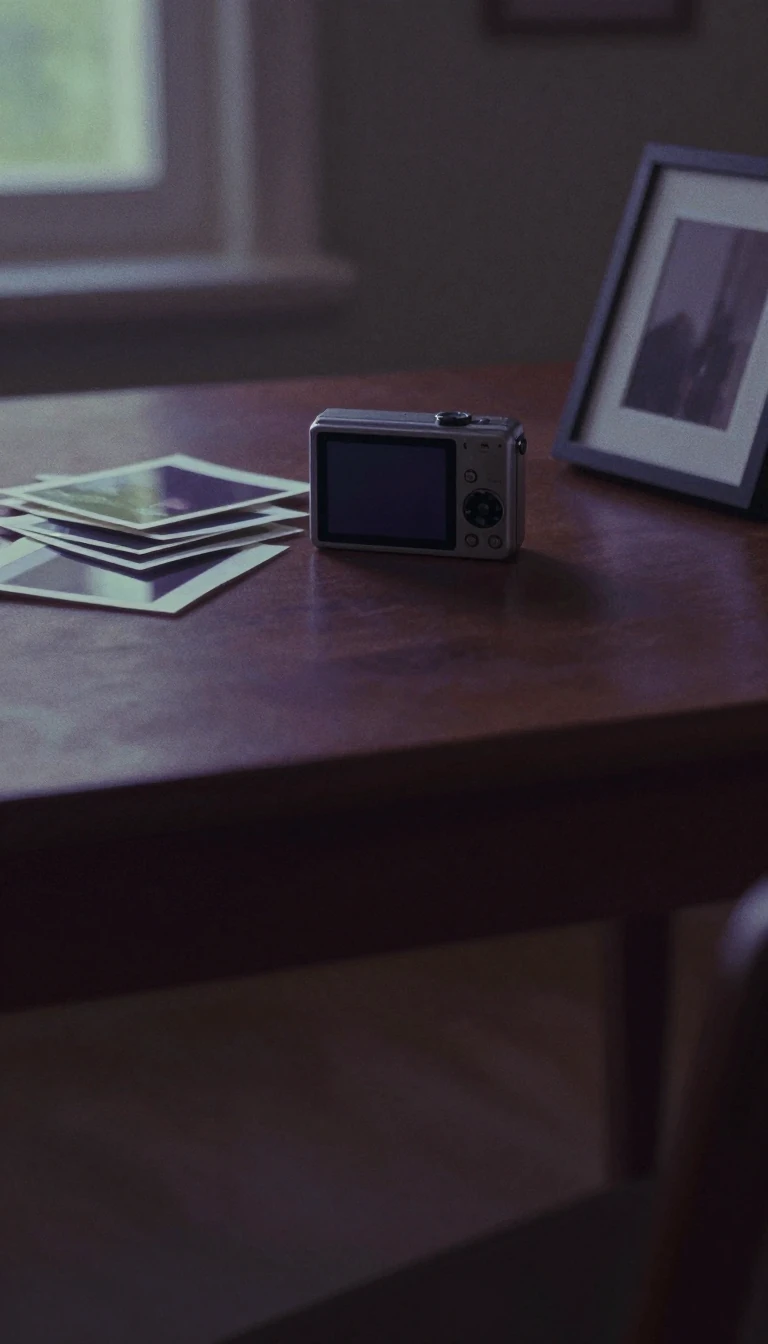
In short: In the mid-1960s, a Chicago bellhop became a global sensation by allegedly projecting thoughts onto Polaroid film. While skeptics dismissed him as a charlatan, the phenomenon of thoughtography remains a haunting intersection of psychology, stage magic, and the unexplained.
Thoughtography, also known as psychic photography or nensha, refers to the claimed ability to imprint mental images onto photographic surfaces through parapsychic means. The term was introduced in 1910 by Japanese psychology professor Tomokichi Fukurai, who observed a subject manifesting Japanese ideograms on undeveloped plates. Fukurai even designed rigorous experiments, such as stacking three plates in a sealed container to see if a subject could target only the middle layer.
The history of such phenomena is deeply intertwined with the evolution of photography itself. During the mid-nineteenth century, the advent of the daguerreotype coincided with the rise of Spiritualism. The unstable chemical reactions of early glass plates created an 'evanescent aesthetic' that many believed captured the spirit world. This era saw 'spirit photography'—images of ghostly apparitions and ectoplasmic manifestations—which even convinced figures like Sir Arthur Conan Doyle of the existence of the afterlife.
However, the scientific community has largely met these claims with intense skepticism. Famous illusionists, including James Randi, demonstrated that many 'thoughtographs' could be replicated using simple stage tricks and misdirection. Similarly, researchers like Albert von Schrenck-Notzing, who studied the medium Eva Carrière, later found evidence that her 'ectoplasm' was actually constructed from magazine cut-outs and pins. While some researchers, like psychical researcher Hereward Carrington, believed certain images might be genuine, the lack of a materialist explanation and frequent allegations of fraud led many, including Fukurai, to abandon their research under professional pressure.
Opens the Intellect+ feed with this card first. Swipe up for the next one.
Sources
- Summary by Intellect · source: Thoughtography · Contemporary Arts and Cultures
- Also: Thoughtography
To cite this card, link to https://intellectplus.co.uk/app/health-thoughtography.
How we source, check and correct cards: Editorial standards.
General information, not professional advice. Spotted an error? Flag the card or see corrections and complaints.
Intellect Plus is a visual educational discovery platform for exploring fascinating facts and ideas. Brain Food, Not Brain Rot. What is Intellect Plus?
Related
More in Nutrition · More in Health · Latest · A–Z · All topics
